Wild rabbits are a charming part of many ecosystems, but feeding them properly requires knowledge and care. Offering the right wild rabbit food helps maintain their health without disrupting natural habits or local wildlife balance.
In this guide, we’ll explore what wild rabbits eat, safe feeding practices, and how to support their natural lifestyle without harm.
Table of Contents
What Do Wild Rabbits Eat?
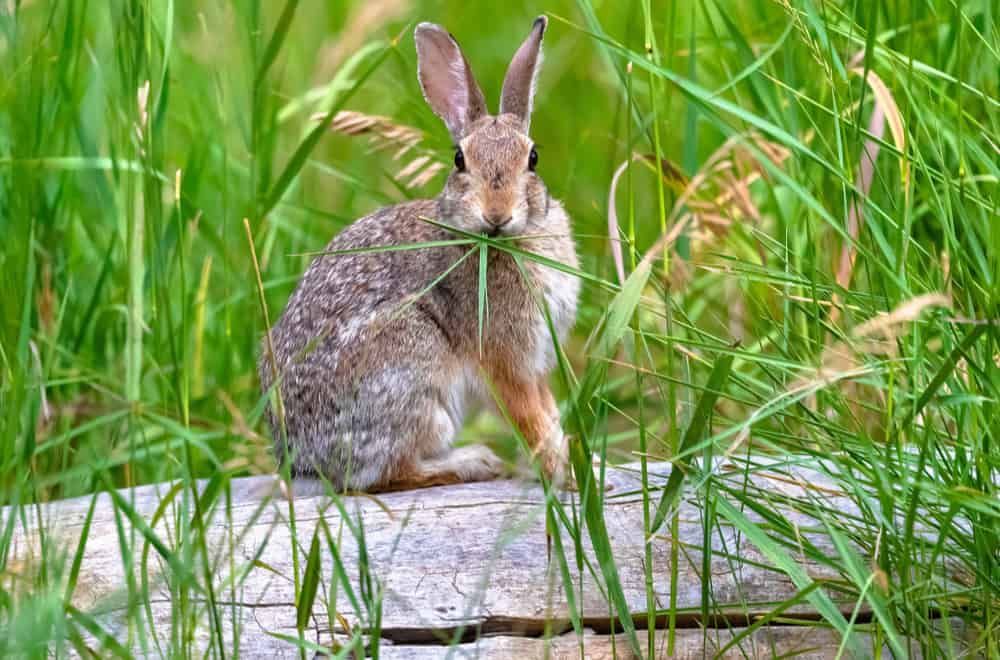
Wild rabbits are herbivores with diets that vary seasonally but typically include:
- Grasses: The main staple, especially fresh and tender blades.
- Leaves and Twigs: From shrubs, bushes, and trees.
- Bark: Particularly in winter when other food is scarce.
- Herbs and Wildflowers: Such as clover, dandelion, and plantain.
- Roots and Bark: Sometimes eaten for nutrients during cold months.
Safe Wild Rabbit Food to Offer
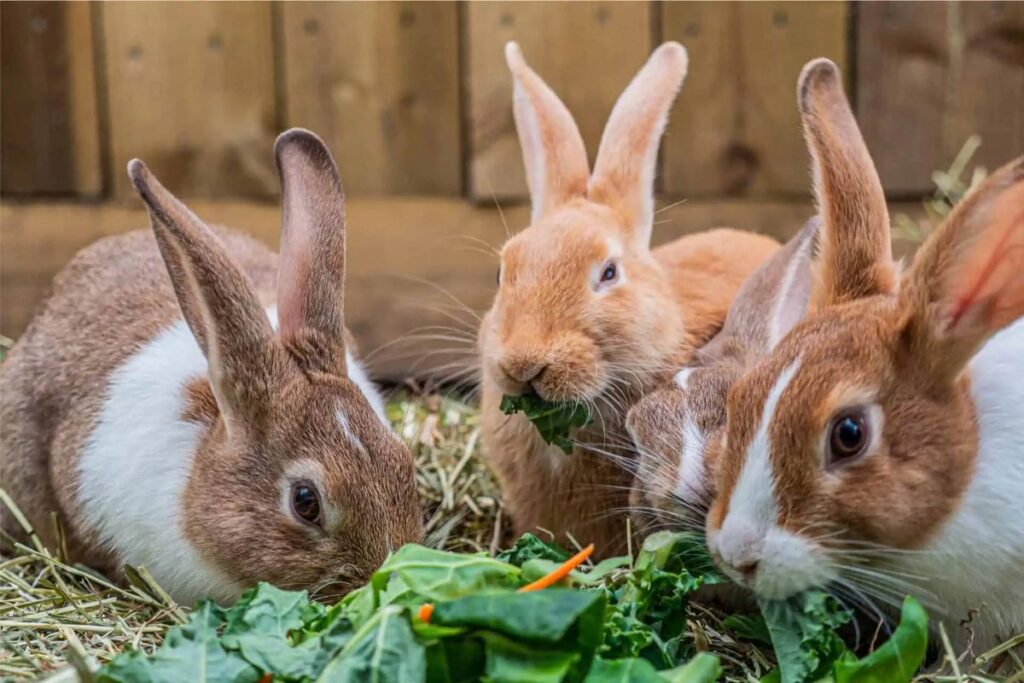
If you want to supplement wild rabbit diets (especially in harsh weather), provide:
- Fresh leafy greens like romaine lettuce, dandelion greens, and kale (in moderation).
- Carrot tops, parsley, and cilantro.
- Timothy hay or other grass hays, which mimic their natural diet.
- Avoid giving wild rabbits processed foods, bread, or sugary treats.
Feeding Wild Rabbits: Best Practices
- Feed sparingly to avoid dependency and maintain their natural foraging habits.
- Place food in a quiet, safe area away from predators.
- Clean feeding spots regularly to prevent disease or pests.
- Avoid overcrowding feeding areas to reduce stress and aggression.
What Not to Feed Wild Rabbits
- Human snacks like bread, crackers, or processed foods.
- Iceberg lettuce (can cause diarrhea).
- Foods high in sugar or salt.
- Toxic plants like foxglove, daffodil, or nightshade.
Personal Experience: Watching Wild Rabbits Thrive
I started leaving small amounts of fresh greens for wild rabbits in my backyard during winter. Watching them nibble on dandelion leaves and clover was a delight, but I always kept portions small to encourage natural foraging. This helped them stay healthy without causing dependency.
Expert Opinions
Wildlife experts stress that feeding wild rabbits should be done with caution. According to the Wildlife Rehabilitation Council:
“Supplemental feeding can support wild rabbits during harsh conditions but should never replace their natural diet or lead to habituation to humans.”
Comparison Table: Safe vs Unsafe Wild Rabbit Foods
| Safe Foods | Unsafe Foods | Reasons to Avoid |
|---|---|---|
| Fresh grasses & hay | Bread & crackers | Poor nutrition, digestive issues |
| Leafy greens (moderate) | Iceberg lettuce | Can cause diarrhea |
| Dandelion, clover | Processed/sugary foods | Harmful to digestive system |
| Carrot tops, herbs | Toxic plants (foxglove) | Poisonous, can be fatal |
Key Takeaways
- Wild rabbits thrive on a natural diet of grasses, herbs, and leaves.
- Supplement with safe greens and hay only when necessary.
- Avoid processed, sugary, or toxic foods to keep wild rabbits healthy.
Conclusion
Understanding the natural diet of wild rabbits is key to supporting their health safely. If you choose to offer wild rabbit food, do so responsibly with natural, nutrient-rich options that complement their foraging habits. This balance ensures wild rabbits remain wild and healthy in their natural environment.