Introduction: Why a Saltwater Fish Tank Is Worth It
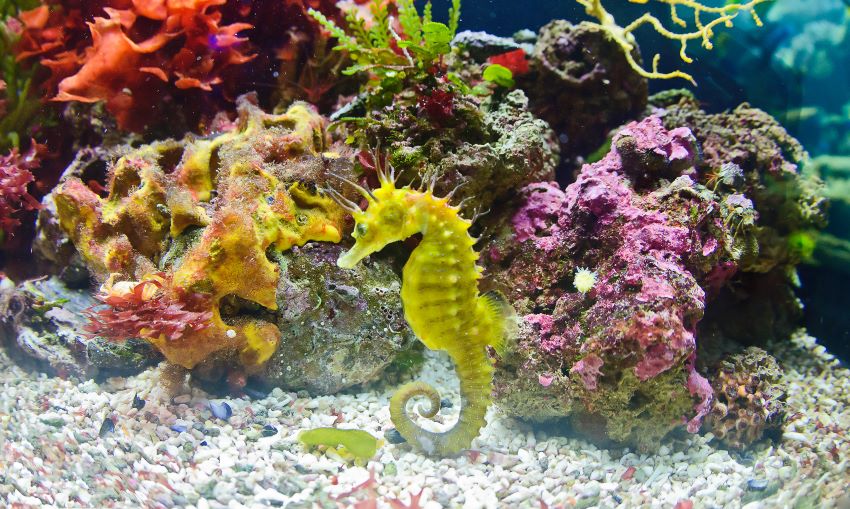
If you’ve ever walked past a glowing marine aquarium filled with vibrant coral reefs and exotic fish, you know the magic of a saltwater fish tank. Unlike freshwater tanks, these miniature ocean ecosystems are colorful, dynamic, and endlessly fascinating.
But here’s the catch: they also have a reputation for being tricky.
The truth? A saltwater fish tank isn’t as intimidating as it sounds—as long as you understand the basics and start right. Whether you’re a complete beginner or someone upgrading from freshwater, this guide walks you through every step with clear advice, personal tips, and honest insights.
Table of Contents
Freshwater vs. Saltwater Fish Tanks: What’s the Real Difference?
Before diving into setup, let’s clarify the key differences.
| Feature | Freshwater Tank | Saltwater Fish Tank |
|---|---|---|
| Water Composition | Just dechlorinated tap water | Salt mix + purified water (RO/DI) |
| Fish Variety | Limited, mostly hardy species | Exotic marine species, reef-dwellers |
| Corals & Inverts | Rare | Common—adds beauty and complexity |
| Setup Cost | Lower (entry-level) | Higher initial cost due to equipment |
| Maintenance | Easier | More involved but manageable |
So yes, a saltwater fish tank does require more planning—but the payoff in color and biodiversity is huge.
Step-by-Step: How to Set Up a Saltwater Fish Tank
1. Choose the Right Tank Size
Larger is better when it comes to marine aquariums. Smaller tanks (under 20 gallons) are prone to rapid parameter changes, which can stress or kill marine life.
- Beginners should start with 30-55 gallons.
- A standard rectangular shape is easiest to manage.
2. Pick the Right Location
Place the tank away from windows (to avoid algae growth), and on a sturdy, level surface that can handle the weight.
Pro tip: Water weighs 8.34 lbs per gallon—a 55-gallon tank easily hits 600 lbs when filled.
3. Essential Equipment Checklist
Here’s what you’ll need for your saltwater fish tank setup:
- Aquarium Tank (glass or acrylic)
- Marine Salt Mix
- RO/DI Water Source (or store-bought distilled water)
- Protein Skimmer – removes organic waste
- Heater and Thermometer – maintain consistent temperature (~76-80°F)
- Powerheads or Wavemakers – for water circulation
- Lighting – essential for corals (LED reef lights preferred)
- Live Rock & Live Sand – natural biological filtration
- Test Kits – ammonia, nitrite, nitrate, pH, salinity, calcium, alkalinity
Optional but recommended:
- Sump or Canister Filter
- Auto Top-Off System (for water evaporation)
4. Mix Saltwater and Fill the Tank
- Use a hydrometer or refractometer to measure salinity (ideal range: 1.023–1.025).
- Add your live sand and aquascape the rocks before filling to avoid disturbing the layout.
5. Begin the Nitrogen Cycle
This step is non-negotiable. Cycling allows beneficial bacteria to establish, which detoxifies fish waste.
- Add a source of ammonia (pure ammonia or fish food)
- Monitor levels daily
- Expect 4–6 weeks before the tank is ready for fish
Don’t rush this part—it’s the foundation of a healthy saltwater fish tank.
Best Fish for Your First Saltwater Fish Tank
Not all marine fish are beginner-friendly. Here are a few hardy, colorful, and peaceful species perfect for new tanks:
Top Beginner Saltwater Fish:
- Ocellaris Clownfish – Iconic, hardy, and social
- Royal Gramma – Bright purple/yellow combo, shy
- Firefish Goby – Peaceful and striking
- Damselfish – Tough, but choose less aggressive types
- Blennies and Gobies – Useful and fun to watch
Avoid large predators (like lionfish), fragile species (like mandarin dragonets), or expensive choices until you’re more experienced.
Coral or Fish-Only Tank? Understanding Your Options
You’ll need to decide between two main saltwater tank types:
1. Fish-Only (FO)
- Lower maintenance
- Simpler lighting requirements
- Great for beginners
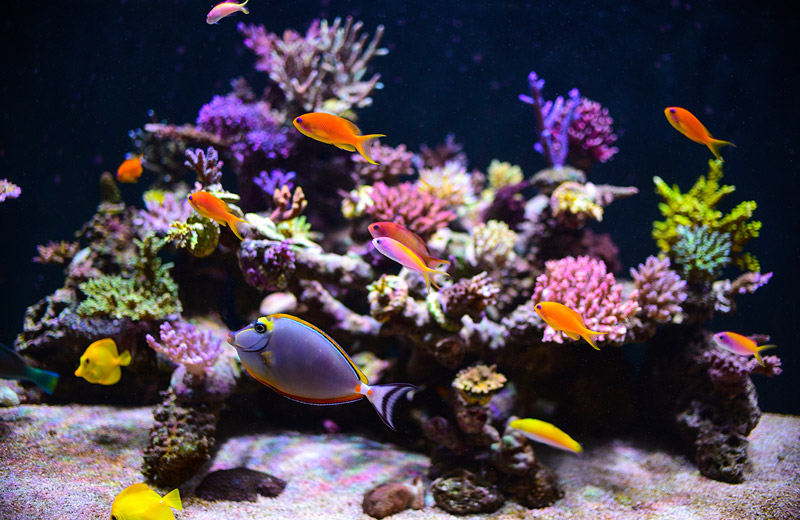
2. Reef Tank (Fish + Corals)
- Requires advanced lighting and stable water parameters
- Offers unmatched beauty and biodiversity
- Needs frequent monitoring and dosing
Start with fish-only and upgrade later—or dive into soft corals if you feel confident.
Common Mistakes New Saltwater Hobbyists Make
Even with the best intentions, these slip-ups can cost your fish and corals:
❌ Adding fish too early
Wait until the cycle is complete.
❌ Using untreated tap water
Always use RO/DI or distilled water.
❌ Overstocking
Marine fish need space. Stick to 1 inch of fish per 5 gallons as a loose rule.
❌ Ignoring maintenance
Test water weekly. Do 10-15% water changes biweekly.
❌ Buying on impulse
Research each species before purchase. Compatibility matters.
Tips to Maintain a Healthy Saltwater Fish Tank
Your setup is only the beginning. Long-term success depends on care and consistency.
Weekly Tasks
- Check and adjust salinity
- Clean protein skimmer
- Top off evaporated water with fresh RO/DI water only (never saltwater)
Biweekly Tasks
- Partial water changes (10–15%)
- Clean glass and remove algae
- Test for nitrate, phosphate, calcium, alkalinity
Monthly Tasks
- Inspect and clean powerheads and filters
- Calibrate equipment
- Replace old filter media
Long-Term
- Avoid overfeeding (a leading cause of nutrient spikes)
- Quarantine new fish or corals before adding to display tank
- Log changes and observations in a tank journal
Budget Breakdown: How Much Does a Saltwater Fish Tank Cost?
Let’s talk money. Here’s a rough estimate for a 40-gallon beginner saltwater fish tank:
| Item | Estimated Cost |
|---|---|
| Tank & Stand | $150–$300 |
| Filtration (Sump or Canister) | $100–$200 |
| Lights (Reef-Ready LED) | $150–$250 |
| Heater + Thermometer | $30–$50 |
| Powerheads | $50–$100 |
| RO/DI Water Filter | $120–$200 |
| Protein Skimmer | $100–$180 |
| Salt Mix + Sand + Rock | $100–$200 |
| Test Kits & Tools | $60–$100 |
| Fish & Coral (Initial Stock) | $100–$200 |
| Total | $960–$1,780 |
Starting costs vary, but once you’re set up, running costs drop significantly—mostly for salt mix, replacement parts, and fish food.
Is a Saltwater Fish Tank Worth It?
Absolutely—if you’re committed. A saltwater fish tank offers an unmatched window into the underwater world, filled with color, life, and wonder.
Is it more work than freshwater? Yes.
More rewarding? Also yes.
When you see a clownfish swim through a coral reef you built from scratch, you’ll know it was worth every minute.
Final Thoughts
Setting up a saltwater fish tank may seem overwhelming at first. But with the right knowledge, a careful plan, and consistent maintenance, it becomes a deeply satisfying hobby.
You don’t need to be a marine biologist to create a thriving underwater world—you just need curiosity, patience, and a little saltwater spirit.
FAQs
How long does it take to cycle a saltwater fish tank?
Typically 4–6 weeks. It’s essential to test ammonia, nitrite, and nitrate levels before adding fish.
Can I use tap water for my saltwater tank?
No. Use RO/DI filtered water to avoid minerals, chlorine, and other contaminants.
Do I need live rock in a saltwater tank?
Yes, live rock helps establish beneficial bacteria and adds natural filtration.
How often should I feed saltwater fish?
Once or twice a day in small portions. Avoid overfeeding to prevent water quality issues.
Can I convert my freshwater tank into a saltwater one?
In many cases, yes—but you’ll need to change the filtration, substrate, and lighting. Always clean the tank thoroughly.