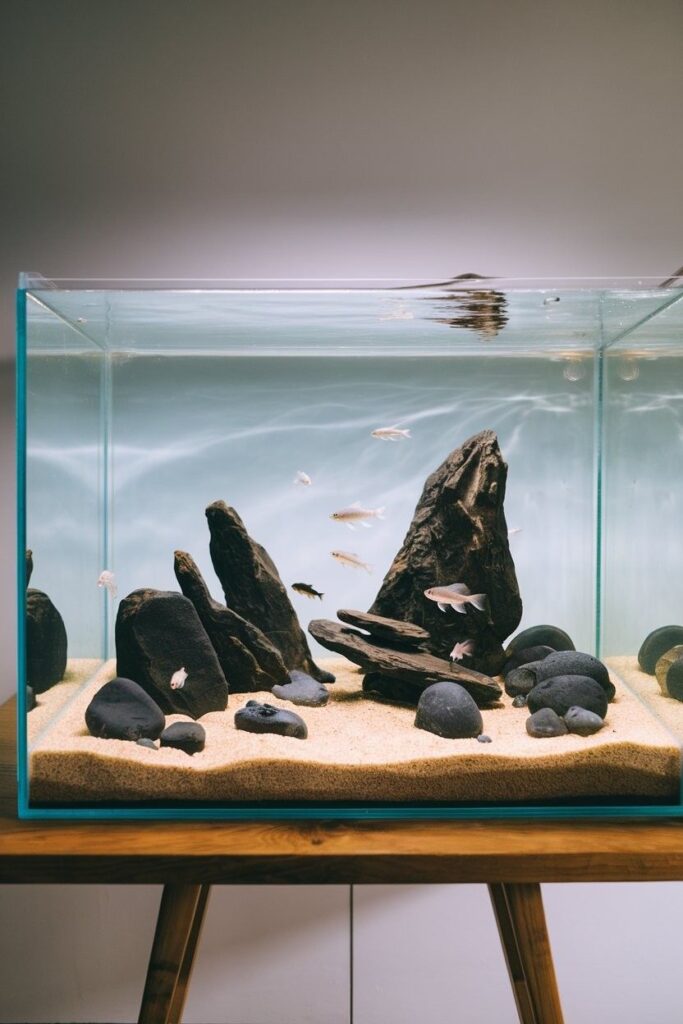
Rocks for Fish Tank: A Complete Guide to Safe, Stylish Aquascaping Introduction: Why Rocks Matter in Your Fish Tank Setup Rocks are more than just decorative elements—they play a crucial role in building a healthy, engaging, and stable environment inside your aquarium. Whether you're aiming for a natural aquascape or just want to give your fish places to hide and explore, choosing the right rocks for fish tank setups can make all the difference. But here’s the twist: not all rocks are created equal. Some may look great but can disrupt water chemistry, harm fish, or leach toxins. That’s why it’s important to make informed choices. In this detailed guide, we’ll cover everything you need to know—from types of rocks, safety checks, placement techniques, to design inspiration. If you're looking to enhance your aquarium both visually and functionally, this is where you start. Why Use Rocks in a Fish Tank? Adding rocks to your aquarium does far more than beautify your tank. 1. Natural Aesthetics Rocks bring depth and realism to your setup. Whether you're replicating a riverbed or a rocky cliff, the right rock selection creates a more immersive environment. 2. Shelter and Territory Many fish species feel secure with hiding spots. Rocks provide caves, crevices, and shaded areas, which can reduce stress and aggression—especially for territorial fish like cichlids. 3. Support for Aquatic Plants Certain rocks serve as anchors for aquatic plants, mosses, and ferns. This makes them essential for aquascaping and plant-friendly environments. 4. Biological Benefits Porous rocks can foster beneficial bacteria colonies, improving biological filtration and overall water quality. What Makes a Rock Safe for Fish Tank Use? Before dropping just any rock into your aquarium, it’s crucial to evaluate its safety. H3: What to Watch Out For Toxic Minerals: Some rocks contain metals or elements that can leach into the water. pH Alteration: Rocks like limestone can increase pH and hardness, which may not be suitable for all fish. Sharp Edges: Can injure delicate fins or bottom-dwelling species. H3: Safety Tests You Can Do at Home ✅ Vinegar Test Drop white vinegar on the rock. If it fizzes, the rock contains calcium carbonate and may alter water chemistry—avoid unless you're keeping hard water species. ✅ Scratch Test Use a knife or coin to scratch the rock. If it easily flakes or crumbles, it might not be suitable for long-term submersion. ✅ Boiling Boil the rock in water for 15–20 minutes to kill bacteria, parasites, or algae before placing it in your tank. Note: Don’t boil rocks that hold air pockets (like lava rocks), as they can explode. Types of Rocks for Fish Tank: Safe and Popular Choices H2: 1. Seiryu Stone Grey-blue color with white veins Slightly raises pH Popular in aquascaping (especially Iwagumi layouts) Best for planted freshwater tanks H2: 2. Dragon Stone (Ohko Rock) Earthy, brown tones with a textured surface Lightweight and easy to stack Neutral effect on water chemistry Great for creating caves and cliffs H2: 3. Lava Rock Extremely porous—excellent for beneficial bacteria Neutral to slightly alkaline Works well in both freshwater and saltwater tanks Supports moss and other epiphytes H2: 4. Slate Flat and stackable Neutral in water chemistry Commonly used for creating ledges or cave structures H2: 5. Texas Holey Rock White rock full of holes and crevices Raises pH and hardness (ideal for African cichlids) Not recommended for soft water species H2: 6. Pagoda Rock Layered stone with a unique, sharp-looking formation Adds drama and verticality Neutral in water chemistry Rocks You Should Avoid Not every rock is aquarium-safe. Some can alter water conditions drastically or harm your fish. 🚫 Avoid These: Limestone – Raises pH and hardness Marble – Same as limestone, bad for soft-water tanks Sandstone – Can disintegrate over time Geodes/Crystals – May contain heavy metals Painted Rocks – Toxic coatings can peel and pollute water If in doubt, always source rocks from aquarium-specific suppliers rather than landscaping or hobby stores. How to Clean and Prepare Rocks for Your Aquarium Even if you buy aquarium-safe rocks, they still need cleaning before going into your tank. Step-by-Step Cleaning Guide: Scrub with a Brush Use a stiff-bristle brush to remove loose dirt, debris, or dust. Soak in Warm Water Let rocks soak in clean, dechlorinated water for a few hours. Boil or Bake (Optional but Effective) Boil for 15-20 minutes or bake at 200°F for 30 minutes to kill pathogens. Warning: Avoid this with porous rocks that can crack or explode. Rinse and Let Cool Never add hot rocks to your tank—let them cool completely. Aquascaping Ideas with Rocks for Fish Tank Designing your tank layout with rocks can transform your aquarium from basic to breathtaking. H3: Iwagumi Style (Minimalist Zen) Uses a few large Seiryu stones Symmetry, negative space, and balance are key Perfect for planted tanks with small fish like tetras or rasboras H3: Riverbed Theme Mix of smooth river rocks and driftwood Mimics natural streams and is ideal for species like loaches and corydoras H3: Cichlid Caves Stack holey rocks or slate to create layered cave systems Helps reduce aggression and gives shelter to fry H3: Lava Rock Jungle Lava rock base covered in moss and Java ferns Adds height and lush greenery to planted aquariums Rock Placement Tips for Safety and Style Secure Stacking: Use aquarium-safe epoxy if needed to prevent collapses No Glass Contact: Place rocks on a foam mat or egg crate to avoid scratching or cracking the tank base Leave Open Space: Fish need swimming room—don’t overcrowd Consider Maintenance Access: Make sure rocks don’t block filter intakes or heaters How Rocks Affect Water Chemistry Depending on the type of rock, your tank’s pH and hardness can be affected—positively or negatively. H3: Rocks That Raise pH Texas Holey Rock Limestone Coral Rock (not technically a rock but used in cichlid tanks) These are ideal for hard-water species like African cichlids. H3: Neutral Rocks (Best for Most Tanks) Slate Lava Rock Dragon Stone Seiryu Stone (minimal effect) Always monitor your water parameters weekly, especially after adding new décor. Budget Breakdown: Cost of Rocks for Fish Tank Rock Type Average Price (per lb) Best For Seiryu Stone $4–$6 Aquascaping, planted tanks Dragon Stone $3–$5 Natural-looking setups Lava Rock $1–$2 Filtration, plant anchoring Slate $1–$3 Ledges, caves Holey Rock $5–$8 Cichlid tanks Tip: Many local fish stores sell rocks by weight—take only what you need to control cost. Personal Experience: How Rocks Changed My Aquarium Game When I first added rocks for fish tank setups, I didn’t expect much beyond aesthetics. But I was surprised at how much calmer my fish became. My bettas and bottom dwellers like cory cats started exploring, hiding, and even showing new behaviors I hadn’t seen before. In one tank, I used lava rocks as a base and tied moss to them. It turned into a lush underwater garden, and my shrimp population exploded. The change was not just visual—it improved the health of the entire system. Final Thoughts: Building a Natural Home for Your Fish Rocks do more than just sit there—they shape the environment your fish call home. When thoughtfully selected and arranged, rocks for fish tank use can bring both style and function to your aquarium. They provide shelter, enhance filtration, and create a world your fish can truly thrive in. So whether you're designing a minimalist Iwagumi layout or a complex cichlid cave system, choose your rocks with care—and watch your underwater world come alive. Want more aquarium inspiration? Explore our guides on: Best plants to pair with aquarium rocks DIY rock backgrounds for tanks How to maintain water quality in aquascaped setups Start designing, and let your aquarium reflect the beauty of the wild. Ask ChatGPT Unlock more with Plus ChatGPT Plus gives you higher limits, smarter models, and Sora for video. Get Plus Tools
Rocks for Fish Tank: A Complete Guide to Safe, Stylish Aquascaping

Introduction: Why Rocks Matter in Your Fish Tank Setup

Rocks are more than just decorative elements—they play a crucial role in building a healthy, engaging, and stable environment inside your aquarium. Whether you’re aiming for a natural aquascape or just want to give your fish places to hide and explore, choosing the right rocks for fish tank setups can make all the difference.

But here’s the twist: not all rocks are created equal. Some may look great but can disrupt water chemistry, harm fish, or leach toxins. That’s why it’s important to make informed choices.

In this detailed guide, we’ll cover everything you need to know—from types of rocks, safety checks, placement techniques, to design inspiration. If you’re looking to enhance your aquarium both visually and functionally, this is where you start.


Why Use Rocks in a Fish Tank?

Adding rocks to your aquarium does far more than beautify your tank.

1. Natural Aesthetics

Rocks bring depth and realism to your setup. Whether you’re replicating a riverbed or a rocky cliff, the right rock selection creates a more immersive environment.

2. Shelter and Territory

Many fish species feel secure with hiding spots. Rocks provide caves, crevices, and shaded areas, which can reduce stress and aggression—especially for territorial fish like cichlids.

3. Support for Aquatic Plants

Certain rocks serve as anchors for aquatic plants, mosses, and ferns. This makes them essential for aquascaping and plant-friendly environments.

4. Biological Benefits

Porous rocks can foster beneficial bacteria colonies, improving biological filtration and overall water quality.


What Makes a Rock Safe for Fish Tank Use?

Before dropping just any rock into your aquarium, it’s crucial to evaluate its safety.

H3: What to Watch Out For

  • Toxic Minerals: Some rocks contain metals or elements that can leach into the water.
  • pH Alteration: Rocks like limestone can increase pH and hardness, which may not be suitable for all fish.
  • Sharp Edges: Can injure delicate fins or bottom-dwelling species.

H3: Safety Tests You Can Do at Home

Rocks for Fish Tank: A Complete Guide to Safe, Stylish Aquascaping
Introduction: Why Rocks Matter in Your Fish Tank Setup
Rocks are more than just decorative elements—they play a crucial role in building a healthy, engaging, and stable environment inside your aquarium. Whether you're aiming for a natural aquascape or just want to give your fish places to hide and explore, choosing the right rocks for fish tank setups can make all the difference.

But here’s the twist: not all rocks are created equal. Some may look great but can disrupt water chemistry, harm fish, or leach toxins. That’s why it’s important to make informed choices.

In this detailed guide, we’ll cover everything you need to know—from types of rocks, safety checks, placement techniques, to design inspiration. If you're looking to enhance your aquarium both visually and functionally, this is where you start.

Why Use Rocks in a Fish Tank?
Adding rocks to your aquarium does far more than beautify your tank.

1. Natural Aesthetics
Rocks bring depth and realism to your setup. Whether you're replicating a riverbed or a rocky cliff, the right rock selection creates a more immersive environment.

2. Shelter and Territory
Many fish species feel secure with hiding spots. Rocks provide caves, crevices, and shaded areas, which can reduce stress and aggression—especially for territorial fish like cichlids.

3. Support for Aquatic Plants
Certain rocks serve as anchors for aquatic plants, mosses, and ferns. This makes them essential for aquascaping and plant-friendly environments.

4. Biological Benefits
Porous rocks can foster beneficial bacteria colonies, improving biological filtration and overall water quality.

What Makes a Rock Safe for Fish Tank Use?
Before dropping just any rock into your aquarium, it’s crucial to evaluate its safety.

H3: What to Watch Out For
Toxic Minerals: Some rocks contain metals or elements that can leach into the water.

pH Alteration: Rocks like limestone can increase pH and hardness, which may not be suitable for all fish.

Sharp Edges: Can injure delicate fins or bottom-dwelling species.

H3: Safety Tests You Can Do at Home
✅ Vinegar Test
Drop white vinegar on the rock. If it fizzes, the rock contains calcium carbonate and may alter water chemistry—avoid unless you're keeping hard water species.

✅ Scratch Test
Use a knife or coin to scratch the rock. If it easily flakes or crumbles, it might not be suitable for long-term submersion.

✅ Boiling
Boil the rock in water for 15–20 minutes to kill bacteria, parasites, or algae before placing it in your tank. Note: Don’t boil rocks that hold air pockets (like lava rocks), as they can explode.

Types of Rocks for Fish Tank: Safe and Popular Choices
H2: 1. Seiryu Stone
Grey-blue color with white veins

Slightly raises pH

Popular in aquascaping (especially Iwagumi layouts)

Best for planted freshwater tanks

H2: 2. Dragon Stone (Ohko Rock)
Earthy, brown tones with a textured surface

Lightweight and easy to stack

Neutral effect on water chemistry

Great for creating caves and cliffs

H2: 3. Lava Rock
Extremely porous—excellent for beneficial bacteria

Neutral to slightly alkaline

Works well in both freshwater and saltwater tanks

Supports moss and other epiphytes

H2: 4. Slate
Flat and stackable

Neutral in water chemistry

Commonly used for creating ledges or cave structures

H2: 5. Texas Holey Rock
White rock full of holes and crevices

Raises pH and hardness (ideal for African cichlids)

Not recommended for soft water species

H2: 6. Pagoda Rock
Layered stone with a unique, sharp-looking formation

Adds drama and verticality

Neutral in water chemistry

Rocks You Should Avoid
Not every rock is aquarium-safe. Some can alter water conditions drastically or harm your fish.

🚫 Avoid These:
Limestone – Raises pH and hardness

Marble – Same as limestone, bad for soft-water tanks

Sandstone – Can disintegrate over time

Geodes/Crystals – May contain heavy metals

Painted Rocks – Toxic coatings can peel and pollute water

If in doubt, always source rocks from aquarium-specific suppliers rather than landscaping or hobby stores.

How to Clean and Prepare Rocks for Your Aquarium
Even if you buy aquarium-safe rocks, they still need cleaning before going into your tank.

Step-by-Step Cleaning Guide:
Scrub with a Brush
Use a stiff-bristle brush to remove loose dirt, debris, or dust.

Soak in Warm Water
Let rocks soak in clean, dechlorinated water for a few hours.

Boil or Bake (Optional but Effective)
Boil for 15-20 minutes or bake at 200°F for 30 minutes to kill pathogens.
Warning: Avoid this with porous rocks that can crack or explode.

Rinse and Let Cool
Never add hot rocks to your tank—let them cool completely.

Aquascaping Ideas with Rocks for Fish Tank
Designing your tank layout with rocks can transform your aquarium from basic to breathtaking.

H3: Iwagumi Style (Minimalist Zen)
Uses a few large Seiryu stones

Symmetry, negative space, and balance are key

Perfect for planted tanks with small fish like tetras or rasboras

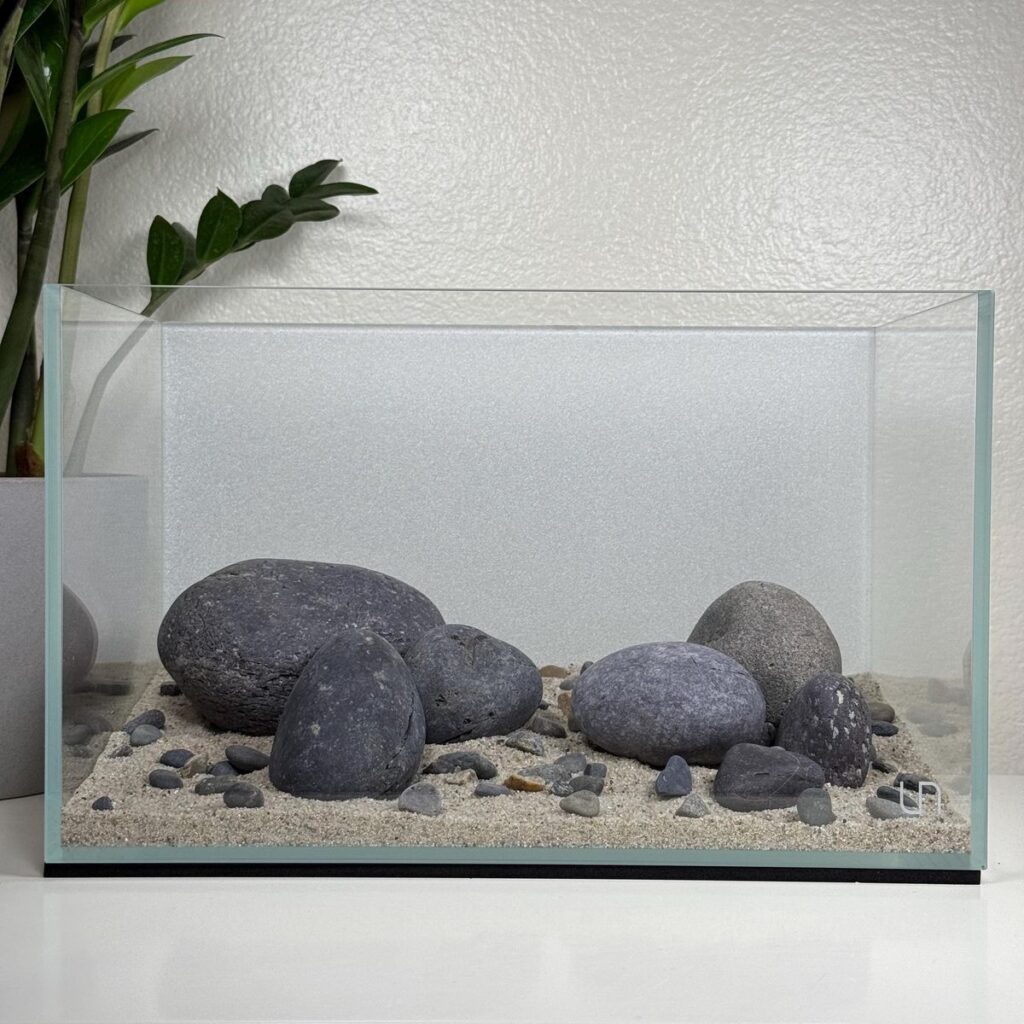
H3: Riverbed Theme
Mix of smooth river rocks and driftwood

Mimics natural streams and is ideal for species like loaches and corydoras

H3: Cichlid Caves
Stack holey rocks or slate to create layered cave systems

Helps reduce aggression and gives shelter to fry

H3: Lava Rock Jungle
Lava rock base covered in moss and Java ferns

Adds height and lush greenery to planted aquariums

Rock Placement Tips for Safety and Style
Secure Stacking: Use aquarium-safe epoxy if needed to prevent collapses

No Glass Contact: Place rocks on a foam mat or egg crate to avoid scratching or cracking the tank base

Leave Open Space: Fish need swimming room—don’t overcrowd

Consider Maintenance Access: Make sure rocks don’t block filter intakes or heaters

How Rocks Affect Water Chemistry
Depending on the type of rock, your tank’s pH and hardness can be affected—positively or negatively.

H3: Rocks That Raise pH
Texas Holey Rock

Limestone

Coral Rock (not technically a rock but used in cichlid tanks)

These are ideal for hard-water species like African cichlids.

H3: Neutral Rocks (Best for Most Tanks)
Slate

Lava Rock

Dragon Stone

Seiryu Stone (minimal effect)

Always monitor your water parameters weekly, especially after adding new décor.

Budget Breakdown: Cost of Rocks for Fish Tank
Rock Type	Average Price (per lb)	Best For
Seiryu Stone	$4–$6	Aquascaping, planted tanks
Dragon Stone	$3–$5	Natural-looking setups
Lava Rock	$1–$2	Filtration, plant anchoring
Slate	$1–$3	Ledges, caves
Holey Rock	$5–$8	Cichlid tanks

Tip: Many local fish stores sell rocks by weight—take only what you need to control cost.

Personal Experience: How Rocks Changed My Aquarium Game
When I first added rocks for fish tank setups, I didn’t expect much beyond aesthetics. But I was surprised at how much calmer my fish became. My bettas and bottom dwellers like cory cats started exploring, hiding, and even showing new behaviors I hadn’t seen before.

In one tank, I used lava rocks as a base and tied moss to them. It turned into a lush underwater garden, and my shrimp population exploded. The change was not just visual—it improved the health of the entire system.

Final Thoughts: Building a Natural Home for Your Fish
Rocks do more than just sit there—they shape the environment your fish call home. When thoughtfully selected and arranged, rocks for fish tank use can bring both style and function to your aquarium.

They provide shelter, enhance filtration, and create a world your fish can truly thrive in.

So whether you're designing a minimalist Iwagumi layout or a complex cichlid cave system, choose your rocks with care—and watch your underwater world come alive.

Want more aquarium inspiration?
Explore our guides on:

Best plants to pair with aquarium rocks

DIY rock backgrounds for tanks

How to maintain water quality in aquascaped setups

Start designing, and let your aquarium reflect the beauty of the wild.


Ask ChatGPT

Unlock more with Plus
ChatGPT Plus gives you higher limits, smarter models, and Sora for video.

Get Plus


Tools

Vinegar Test

Drop white vinegar on the rock. If it fizzes, the rock contains calcium carbonate and may alter water chemistry—avoid unless you’re keeping hard water species.

Scratch Test

Use a knife or coin to scratch the rock. If it easily flakes or crumbles, it might not be suitable for long-term submersion.

Boiling

Boil the rock in water for 15–20 minutes to kill bacteria, parasites, or algae before placing it in your tank. Note: Don’t boil rocks that hold air pockets (like lava rocks), as they can explode.


H2: 1. Seiryu Stone

  • Grey-blue color with white veins
  • Slightly raises pH
  • Popular in aquascaping (especially Iwagumi layouts)
  • Best for planted freshwater tanks

H2: 2. Dragon Stone (Ohko Rock)

  • Earthy, brown tones with a textured surface
  • Lightweight and easy to stack
  • Neutral effect on water chemistry
  • Great for creating caves and cliffs

H2: 3. Lava Rock

  • Extremely porous—excellent for beneficial bacteria
  • Neutral to slightly alkaline
  • Works well in both freshwater and saltwater tanks
  • Supports moss and other epiphytes

H2: 4. Slate

  • Flat and stackable
  • Neutral in water chemistry
  • Commonly used for creating ledges or cave structures

H2: 5. Texas Holey Rock

  • White rock full of holes and crevices
  • Raises pH and hardness (ideal for African cichlids)
  • Not recommended for soft water species

H2: 6. Pagoda Rock

  • Layered stone with a unique, sharp-looking formation
  • Adds drama and verticality
  • Neutral in water chemistry

Rocks You Should Avoid

Not every rock is aquarium-safe. Some can alter water conditions drastically or harm your fish.

🚫 Avoid These:

  • Limestone – Raises pH and hardness
  • Marble – Same as limestone, bad for soft-water tanks
  • Sandstone – Can disintegrate over time
  • Geodes/Crystals – May contain heavy metals
  • Painted Rocks – Toxic coatings can peel and pollute water

If in doubt, always source rocks from aquarium-specific suppliers rather than landscaping or hobby stores.


How to Clean and Prepare Rocks for Your Aquarium

Even if you buy aquarium-safe rocks, they still need cleaning before going into your tank.

Step-by-Step Cleaning Guide:

  1. Scrub with a Brush
    Use a stiff-bristle brush to remove loose dirt, debris, or dust.
  2. Soak in Warm Water
    Let rocks soak in clean, dechlorinated water for a few hours.
  3. Boil or Bake (Optional but Effective)
    Boil for 15-20 minutes or bake at 200°F for 30 minutes to kill pathogens.
    Warning: Avoid this with porous rocks that can crack or explode.
  4. Rinse and Let Cool
    Never add hot rocks to your tank—let them cool completely.

Aquascaping Ideas with Rocks for Fish Tank

Designing your tank layout with rocks can transform your aquarium from basic to breathtaking.

H3: Iwagumi Style (Minimalist Zen)

  • Uses a few large Seiryu stones
  • Symmetry, negative space, and balance are key
  • Perfect for planted tanks with small fish like tetras or rasboras

H3: Riverbed Theme

  • Mix of smooth river rocks and driftwood
  • Mimics natural streams and is ideal for species like loaches and corydoras

H3: Cichlid Caves

  • Stack holey rocks or slate to create layered cave systems
  • Helps reduce aggression and gives shelter to fry

H3: Lava Rock Jungle

  • Lava rock base covered in moss and Java ferns
  • Adds height and lush greenery to planted aquariums

Rock Placement Tips for Safety and Style

  • Secure Stacking: Use aquarium-safe epoxy if needed to prevent collapses
  • No Glass Contact: Place rocks on a foam mat or egg crate to avoid scratching or cracking the tank base
  • Leave Open Space: Fish need swimming room—don’t overcrowd
  • Consider Maintenance Access: Make sure rocks don’t block filter intakes or heaters

How Rocks Affect Water Chemistry

Depending on the type of rock, your tank’s pH and hardness can be affected—positively or negatively.

H3: Rocks That Raise pH

  • Texas Holey Rock
  • Limestone
  • Coral Rock (not technically a rock but used in cichlid tanks)

These are ideal for hard-water species like African cichlids.

H3: Neutral Rocks (Best for Most Tanks)

  • Slate
  • Lava Rock
  • Dragon Stone
  • Seiryu Stone (minimal effect)

Always monitor your water parameters weekly, especially after adding new décor.


Budget Breakdown: Cost of Rocks for Fish Tank

Rock TypeAverage Price (per lb)Best For
Seiryu Stone$4–$6Aquascaping, planted tanks
Dragon Stone$3–$5Natural-looking setups
Lava Rock$1–$2Filtration, plant anchoring
Slate$1–$3Ledges, caves
Holey Rock$5–$8Cichlid tanks

Tip: Many local fish stores sell rocks by weight—take only what you need to control cost.


Personal Experience: How Rocks Changed My Aquarium Game

When I first added rocks for fish tank setups, I didn’t expect much beyond aesthetics. But I was surprised at how much calmer my fish became. My bettas and bottom dwellers like cory cats started exploring, hiding, and even showing new behaviors I hadn’t seen before.

In one tank, I used lava rocks as a base and tied moss to them. It turned into a lush underwater garden, and my shrimp population exploded. The change was not just visual—it improved the health of the entire system.


Final Thoughts: Building a Natural Home for Your Fish

Rocks do more than just sit there—they shape the environment your fish call home. When thoughtfully selected and arranged, rocks for fish tank use can bring both style and function to your aquarium.

They provide shelter, enhance filtration, and create a world your fish can truly thrive in.

So whether you’re designing a minimalist Iwagumi layout or a complex cichlid cave system, choose your rocks with care—and watch your underwater world come alive.


Want more aquarium inspiration?
Explore our guides on:

  • Best plants to pair with aquarium rocks
  • DIY rock backgrounds for tanks
  • How to maintain water quality in aquascaped setups

Start designing, and let your aquarium reflect the beauty of the wild.

Comments

No comments yet. Why don’t you start the discussion?

Leave a Reply

Your email address will not be published. Required fields are marked *