Light for Fish Tank: Choosing the Right Glow for Your Aquarium Lighting isn’t just about making your aquarium look good—it’s essential for the health of your fish, the growth of live plants, and even the balance of your tank’s ecosystem. But finding the right light for fish tank setups can feel overwhelming with so many choices: LED, fluorescent, full spectrum, blue light, and more. In this post, we’ll break it all down. Whether you're designing a planted aquascape, housing tropical fish, or simply want your aquarium to look vibrant and alive, this guide will help you choose the best lighting for your needs. Why Lighting Matters in an Aquarium Before jumping into lighting types, let’s understand why lighting is crucial in any fish tank: Fish Behavior and Stress: Fish use light cues to establish day-night cycles. Inconsistent lighting can cause stress, affecting health and behavior. Plant Photosynthesis: Live plants need light to grow, just like plants in your garden. Without enough light, they wilt or die. Aesthetic Appeal: Proper lighting brings out the color in fish and decor, creating that jaw-dropping underwater landscape. Algae Control: Too much or the wrong type of light can fuel algae growth, turning your crystal-clear tank into a green mess. Types of Light for Fish Tank Setups Different types of aquariums require different lighting. Here's a breakdown of popular light sources: 1. LED Lighting Pros: Energy-efficient and long-lasting Available in various colors and intensities Ideal for most setups, including planted and reef tanks Cons: Slightly higher initial cost than fluorescent lights Best for: All-around use, especially planted tanks and aquascaping LEDs are the most popular light for fish tank systems today. They’re easy to control, often come with programmable timers, and emit less heat—making them safe for aquatic life. 2. Fluorescent Lighting Pros: Affordable and widely available Good for basic freshwater setups Cons: Shorter lifespan than LEDs Generates more heat Best for: Beginners or budget-friendly aquariums Standard fluorescent tubes are suitable for low-light plants and fish-only tanks but may not provide the full spectrum needed for high-growth planted aquariums. 3. Full Spectrum (Daylight) Bulbs These mimic natural sunlight and are great for planted tanks. A full spectrum light (usually 6500K to 7000K) supports plant growth and brings out the colors in fish. Best for: Heavily planted aquariums Natural-looking tanks 4. Blue Light (Actinic Light) While more common in saltwater reef tanks, blue lights are often used to create moonlight effects or simulate nighttime in freshwater setups. Use blue lights carefully. Too much can promote algae growth or stress nocturnal species. How to Choose the Right Light for Your Aquarium Finding the right light for fish tank isn’t a one-size-fits-all solution. Here’s how to decide: 1. Know Your Tank Type Fish-Only Tank: Basic LED or fluorescent light is sufficient. Planted Tank: Use full-spectrum LEDs to support photosynthesis. Saltwater Tank: Requires specific spectrum LEDs (including actinic blue). Aquascape Show Tank: Invest in programmable, high-intensity LED systems. 2. Check the Kelvin Rating The Kelvin scale (K) tells you the color temperature: 6,500K mimics daylight – ideal for plants. 10,000K–20,000K suits reef tanks. Below 5,000K can make your tank look yellowish. 3. Consider Light Intensity (Lumen Output) Lumen refers to brightness. High-light plants need 30–50 lumens per liter. Low-light plants can thrive at 10–20 lumens per liter. Light Duration: How Many Hours of Light Does a Tank Need? Too much light = algae explosion. Too little light = stressed fish and dying plants. General recommendation: Fish-only tanks: 8–10 hours/day Planted tanks: 10–12 hours/day Reef tanks: Depends on species but typically 10–12 hours/day Use a timer to maintain consistency. Fish and plants thrive with regular light-dark cycles, much like we do. LED vs Fluorescent: What’s Better? Let’s compare: Feature LED Lights Fluorescent Lights Energy Use Low Higher Lifespan 5–10 years 6 months–1 year Heat Output Very low Moderate Plant Support Excellent (full spectrum) Fair (unless full spectrum) Price Higher upfront Cheaper initially Verdict: LED lights win in most categories. They cost more initially but pay off long-term in efficiency and control. Lighting for Specific Aquarium Types 1. Lighting for Planted Tanks Plants like Java Fern, Anubias, and Amazon Sword need light to thrive. Look for: Full-spectrum LEDs (6500K–7000K) Adjustable brightness At least 8–12 hours of lighting Tip: Combine light with CO₂ injection and fertilizer for lush plant growth. 2. Lighting for Tropical Fish Tanks Tropical fish like bettas, guppies, and tetras love natural light cycles. Avoid overly intense lighting. Go for soft white LED or full-spectrum that enhances color without stressing them. 3. Lighting for Nano and Self-Cleaning Tanks Smaller tanks heat up faster. Use low-wattage LEDs that don’t overheat the water. Some nano tank kits come with built-in lights optimized for small spaces. How to Prevent Algae with Lighting Algae is a common nuisance caused by excessive light or poor tank hygiene. Prevent algae by: Using a timer to regulate exposure Avoiding direct sunlight near the tank Limiting light to 8–10 hours daily Cleaning tank walls regularly Adding algae eaters (snails, shrimp, or fish like otocinclus) Common Mistakes in Aquarium Lighting Avoid these lighting pitfalls: Leaving lights on 24/7 – Fish need darkness too. Buying the wrong spectrum – Not all white lights are plant-friendly. Placing tank in direct sunlight – This fuels algae and causes temperature swings. Ignoring maintenance – Clean light covers and replace worn-out bulbs. Personal Experience: The Day My Tank Transformed I once upgraded from a basic fluorescent to a full-spectrum LED system in my 20-gallon planted tank. The result? Within two weeks: My Java Fern sprouted new shoots My betta became more active and colorful The water looked clearer, and algae reduced The lighting changed everything—from aesthetics to health. If you're still on basic lighting, consider this a sign to upgrade. Final Thoughts Choosing the right light for fish tank setups is about more than just brightness. It’s about balancing function and aesthetics while supporting your fish and plants' well-being. Remember: Use LED for flexibility and plant support Avoid excessive lighting to prevent algae Adjust duration with a timer Match the spectrum to your tank’s needs The right lighting can turn your fish tank from just a container of water into a glowing, living underwater world. And trust me—once you get it right, you’ll never go back.
Light for Fish Tank: Choosing the Right Glow for Your Aquarium

Lighting isn’t just about making your aquarium look good—it’s essential for the health of your fish, the growth of live plants, and even the balance of your tank’s ecosystem. But finding the right light for fish tank setups can feel overwhelming with so many choices: LED, fluorescent, full spectrum, blue light, and more.

In this post, we’ll break it all down. Whether you’re designing a planted aquascape, housing tropical fish, or simply want your aquarium to look vibrant and alive, this guide will help you choose the best lighting for your needs.


Why Lighting Matters in an Aquarium

Before jumping into lighting types, let’s understand why lighting is crucial in any fish tank:

  • Fish Behavior and Stress: Fish use light cues to establish day-night cycles. Inconsistent lighting can cause stress, affecting health and behavior.
  • Plant Photosynthesis: Live plants need light to grow, just like plants in your garden. Without enough light, they wilt or die.
  • Aesthetic Appeal: Proper lighting brings out the color in fish and decor, creating that jaw-dropping underwater landscape.
  • Algae Control: Too much or the wrong type of light can fuel algae growth, turning your crystal-clear tank into a green mess.

Types of Light for Fish Tank Setups

Different types of aquariums require different lighting. Here’s a breakdown of popular light sources:

1. LED Lighting

Pros:

  • Energy-efficient and long-lasting
  • Available in various colors and intensities
  • Ideal for most setups, including planted and reef tanks

Cons:

  • Slightly higher initial cost than fluorescent lights

Best for:

  • All-around use, especially planted tanks and aquascaping

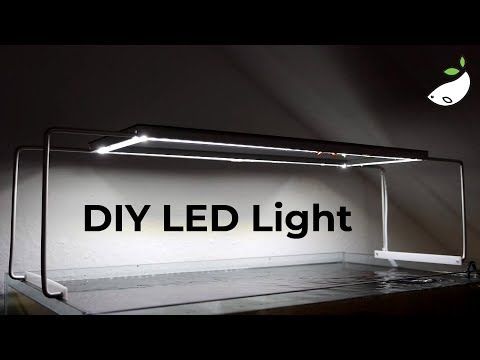
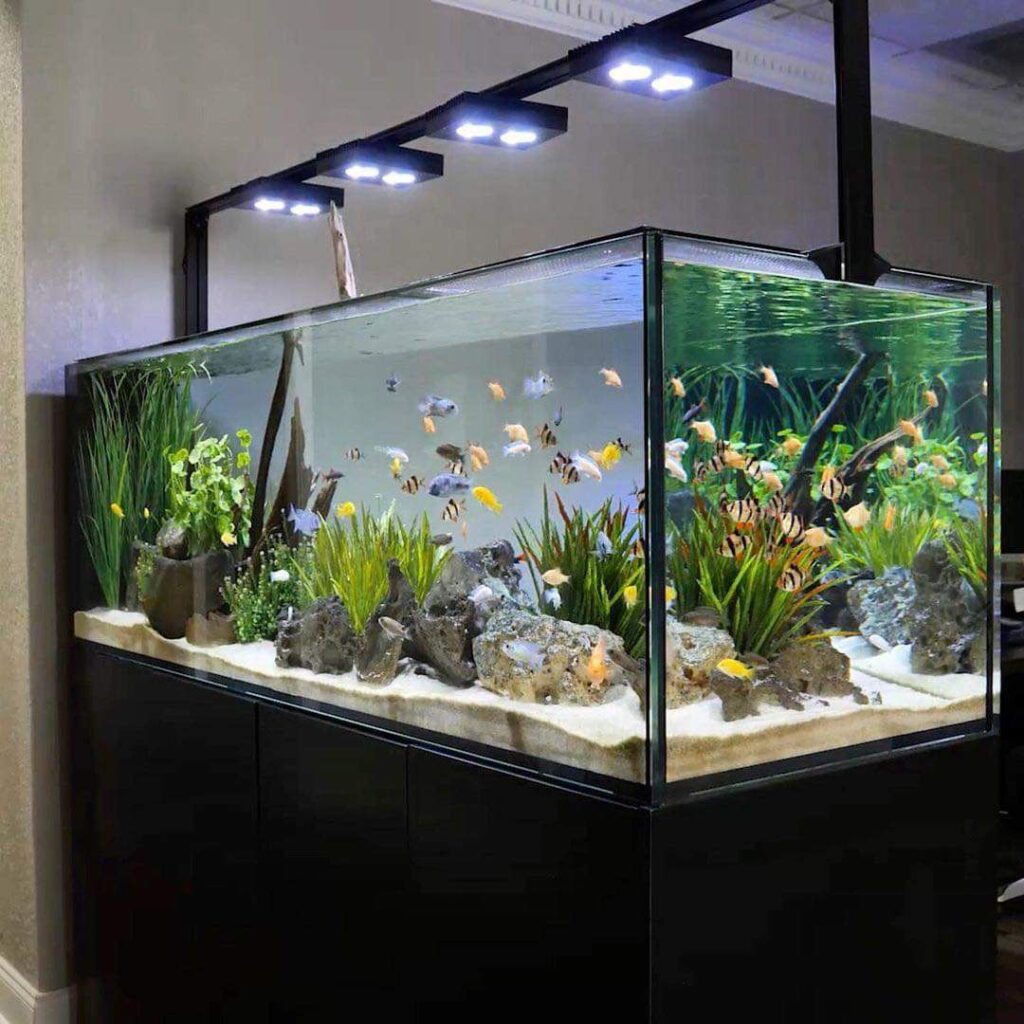
LEDs are the most popular light for fish tank systems today. They’re easy to control, often come with programmable timers, and emit less heat—making them safe for aquatic life.


2. Fluorescent Lighting

Pros:

  • Affordable and widely available
  • Good for basic freshwater setups

Cons:

  • Shorter lifespan than LEDs
  • Generates more heat

Best for:

  • Beginners or budget-friendly aquariums

Standard fluorescent tubes are suitable for low-light plants and fish-only tanks but may not provide the full spectrum needed for high-growth planted aquariums.


3. Full Spectrum (Daylight) Bulbs

These mimic natural sunlight and are great for planted tanks. A full spectrum light (usually 6500K to 7000K) supports plant growth and brings out the colors in fish.

Best for:

  • Heavily planted aquariums
  • Natural-looking tanks
Light for Fish Tank: Choosing the Right Glow for Your Aquarium
Lighting isn’t just about making your aquarium look good—it’s essential for the health of your fish, the growth of live plants, and even the balance of your tank’s ecosystem. But finding the right light for fish tank setups can feel overwhelming with so many choices: LED, fluorescent, full spectrum, blue light, and more.

In this post, we’ll break it all down. Whether you're designing a planted aquascape, housing tropical fish, or simply want your aquarium to look vibrant and alive, this guide will help you choose the best lighting for your needs.

Why Lighting Matters in an Aquarium
Before jumping into lighting types, let’s understand why lighting is crucial in any fish tank:

Fish Behavior and Stress: Fish use light cues to establish day-night cycles. Inconsistent lighting can cause stress, affecting health and behavior.

Plant Photosynthesis: Live plants need light to grow, just like plants in your garden. Without enough light, they wilt or die.

Aesthetic Appeal: Proper lighting brings out the color in fish and decor, creating that jaw-dropping underwater landscape.

Algae Control: Too much or the wrong type of light can fuel algae growth, turning your crystal-clear tank into a green mess.

Types of Light for Fish Tank Setups
Different types of aquariums require different lighting. Here's a breakdown of popular light sources:

1. LED Lighting
Pros:

Energy-efficient and long-lasting

Available in various colors and intensities

Ideal for most setups, including planted and reef tanks

Cons:

Slightly higher initial cost than fluorescent lights

Best for:

All-around use, especially planted tanks and aquascaping

LEDs are the most popular light for fish tank systems today. They’re easy to control, often come with programmable timers, and emit less heat—making them safe for aquatic life.

2. Fluorescent Lighting
Pros:

Affordable and widely available

Good for basic freshwater setups

Cons:

Shorter lifespan than LEDs

Generates more heat

Best for:

Beginners or budget-friendly aquariums

Standard fluorescent tubes are suitable for low-light plants and fish-only tanks but may not provide the full spectrum needed for high-growth planted aquariums.

3. Full Spectrum (Daylight) Bulbs
These mimic natural sunlight and are great for planted tanks. A full spectrum light (usually 6500K to 7000K) supports plant growth and brings out the colors in fish.

Best for:

Heavily planted aquariums

Natural-looking tanks

4. Blue Light (Actinic Light)
While more common in saltwater reef tanks, blue lights are often used to create moonlight effects or simulate nighttime in freshwater setups.

Use blue lights carefully. Too much can promote algae growth or stress nocturnal species.

How to Choose the Right Light for Your Aquarium
Finding the right light for fish tank isn’t a one-size-fits-all solution. Here’s how to decide:

1. Know Your Tank Type
Fish-Only Tank: Basic LED or fluorescent light is sufficient.

Planted Tank: Use full-spectrum LEDs to support photosynthesis.

Saltwater Tank: Requires specific spectrum LEDs (including actinic blue).

Aquascape Show Tank: Invest in programmable, high-intensity LED systems.

2. Check the Kelvin Rating
The Kelvin scale (K) tells you the color temperature:

6,500K mimics daylight – ideal for plants.

10,000K–20,000K suits reef tanks.

Below 5,000K can make your tank look yellowish.

3. Consider Light Intensity (Lumen Output)
Lumen refers to brightness. High-light plants need 30–50 lumens per liter. Low-light plants can thrive at 10–20 lumens per liter.

Light Duration: How Many Hours of Light Does a Tank Need?
Too much light = algae explosion. Too little light = stressed fish and dying plants.

General recommendation:

Fish-only tanks: 8–10 hours/day

Planted tanks: 10–12 hours/day

Reef tanks: Depends on species but typically 10–12 hours/day

Use a timer to maintain consistency. Fish and plants thrive with regular light-dark cycles, much like we do.

LED vs Fluorescent: What’s Better?
Let’s compare:

Feature	LED Lights	Fluorescent Lights
Energy Use	Low	Higher
Lifespan	5–10 years	6 months–1 year
Heat Output	Very low	Moderate
Plant Support	Excellent (full spectrum)	Fair (unless full spectrum)
Price	Higher upfront	Cheaper initially

Verdict: LED lights win in most categories. They cost more initially but pay off long-term in efficiency and control.

Lighting for Specific Aquarium Types
1. Lighting for Planted Tanks
Plants like Java Fern, Anubias, and Amazon Sword need light to thrive. Look for:

Full-spectrum LEDs (6500K–7000K)

Adjustable brightness

At least 8–12 hours of lighting

Tip: Combine light with CO₂ injection and fertilizer for lush plant growth.

2. Lighting for Tropical Fish Tanks
Tropical fish like bettas, guppies, and tetras love natural light cycles. Avoid overly intense lighting. Go for soft white LED or full-spectrum that enhances color without stressing them.

3. Lighting for Nano and Self-Cleaning Tanks
Smaller tanks heat up faster. Use low-wattage LEDs that don’t overheat the water. Some nano tank kits come with built-in lights optimized for small spaces.

How to Prevent Algae with Lighting
Algae is a common nuisance caused by excessive light or poor tank hygiene. Prevent algae by:

Using a timer to regulate exposure

Avoiding direct sunlight near the tank

Limiting light to 8–10 hours daily

Cleaning tank walls regularly

Adding algae eaters (snails, shrimp, or fish like otocinclus)

Common Mistakes in Aquarium Lighting
Avoid these lighting pitfalls:

Leaving lights on 24/7 – Fish need darkness too.

Buying the wrong spectrum – Not all white lights are plant-friendly.

Placing tank in direct sunlight – This fuels algae and causes temperature swings.

Ignoring maintenance – Clean light covers and replace worn-out bulbs.

Personal Experience: The Day My Tank Transformed
I once upgraded from a basic fluorescent to a full-spectrum LED system in my 20-gallon planted tank. The result?

Within two weeks:

My Java Fern sprouted new shoots

My betta became more active and colorful

The water looked clearer, and algae reduced

The lighting changed everything—from aesthetics to health. If you're still on basic lighting, consider this a sign to upgrade.

Final Thoughts
Choosing the right light for fish tank setups is about more than just brightness. It’s about balancing function and aesthetics while supporting your fish and plants' well-being.

Remember:

Use LED for flexibility and plant support

Avoid excessive lighting to prevent algae

Adjust duration with a timer

Match the spectrum to your tank’s needs

The right lighting can turn your fish tank from just a container of water into a glowing, living underwater world. And trust me—once you get it right, you’ll never go back.

4. Blue Light (Actinic Light)

While more common in saltwater reef tanks, blue lights are often used to create moonlight effects or simulate nighttime in freshwater setups.

Use blue lights carefully. Too much can promote algae growth or stress nocturnal species.


How to Choose the Right Light for Your Aquarium

Finding the right light for fish tank isn’t a one-size-fits-all solution. Here’s how to decide:

1. Know Your Tank Type

  • Fish-Only Tank: Basic LED or fluorescent light is sufficient.
  • Planted Tank: Use full-spectrum LEDs to support photosynthesis.
  • Saltwater Tank: Requires specific spectrum LEDs (including actinic blue).
  • Aquascape Show Tank: Invest in programmable, high-intensity LED systems.

2. Check the Kelvin Rating

The Kelvin scale (K) tells you the color temperature:

  • 6,500K mimics daylight – ideal for plants.
  • 10,000K–20,000K suits reef tanks.
  • Below 5,000K can make your tank look yellowish.

3. Consider Light Intensity (Lumen Output)

Lumen refers to brightness. High-light plants need 30–50 lumens per liter. Low-light plants can thrive at 10–20 lumens per liter.


Light Duration: How Many Hours of Light Does a Tank Need?

Too much light = algae explosion. Too little light = stressed fish and dying plants.

General recommendation:

  • Fish-only tanks: 8–10 hours/day
  • Planted tanks: 10–12 hours/day
  • Reef tanks: Depends on species but typically 10–12 hours/day

Use a timer to maintain consistency. Fish and plants thrive with regular light-dark cycles, much like we do.


LED vs Fluorescent: What’s Better?

Let’s compare:

FeatureLED LightsFluorescent Lights
Energy UseLowHigher
Lifespan5–10 years6 months–1 year
Heat OutputVery lowModerate
Plant SupportExcellent (full spectrum)Fair (unless full spectrum)
PriceHigher upfrontCheaper initially

Verdict: LED lights win in most categories. They cost more initially but pay off long-term in efficiency and control.


Lighting for Specific Aquarium Types

1. Lighting for Planted Tanks

Plants like Java Fern, Anubias, and Amazon Sword need light to thrive. Look for:

  • Full-spectrum LEDs (6500K–7000K)
  • Adjustable brightness
  • At least 8–12 hours of lighting

Tip: Combine light with CO₂ injection and fertilizer for lush plant growth.

2. Lighting for Tropical Fish Tanks

Tropical fish like bettas, guppies, and tetras love natural light cycles. Avoid overly intense lighting. Go for soft white LED or full-spectrum that enhances color without stressing them.

3. Lighting for Nano and Self-Cleaning Tanks

Smaller tanks heat up faster. Use low-wattage LEDs that don’t overheat the water. Some nano tank kits come with built-in lights optimized for small spaces.


How to Prevent Algae with Lighting

Algae is a common nuisance caused by excessive light or poor tank hygiene. Prevent algae by:

  • Using a timer to regulate exposure
  • Avoiding direct sunlight near the tank
  • Limiting light to 8–10 hours daily
  • Cleaning tank walls regularly
  • Adding algae eaters (snails, shrimp, or fish like otocinclus)

Common Mistakes in Aquarium Lighting

Avoid these lighting pitfalls:

  • Leaving lights on 24/7 – Fish need darkness too.
  • Buying the wrong spectrum – Not all white lights are plant-friendly.
  • Placing tank in direct sunlight – This fuels algae and causes temperature swings.
  • Ignoring maintenance – Clean light covers and replace worn-out bulbs.

Personal Experience: The Day My Tank Transformed

I once upgraded from a basic fluorescent to a full-spectrum LED system in my 20-gallon planted tank. The result?

Within two weeks:

  • My Java Fern sprouted new shoots
  • My betta became more active and colorful
  • The water looked clearer, and algae reduced

The lighting changed everything—from aesthetics to health. If you’re still on basic lighting, consider this a sign to upgrade.


Final Thoughts

Choosing the right light for fish tank setups is about more than just brightness. It’s about balancing function and aesthetics while supporting your fish and plants’ well-being.

Remember:

  • Use LED for flexibility and plant support
  • Avoid excessive lighting to prevent algae
  • Adjust duration with a timer
  • Match the spectrum to your tank’s needs

The right lighting can turn your fish tank from just a container of water into a glowing, living underwater world. And trust me—once you get it right, you’ll never go back.

Comments

No comments yet. Why don’t you start the discussion?

Leave a Reply

Your email address will not be published. Required fields are marked *