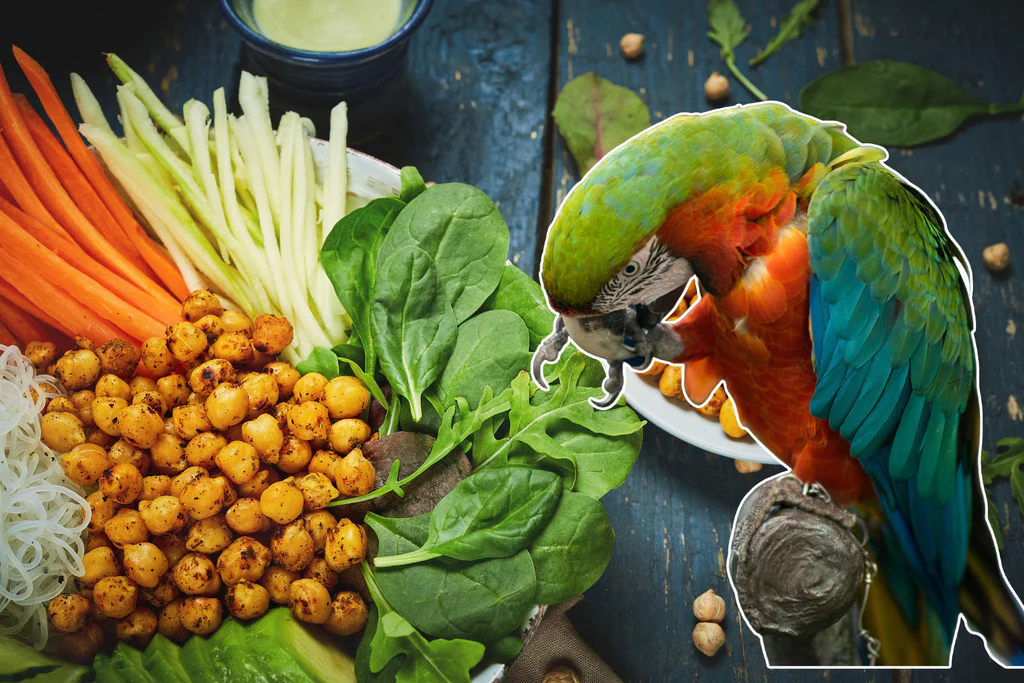
Parrots are bright, social, and highly intelligent companions—but maintaining their health starts with what you put in their food bowl. Understanding the food of a parrot isn’t just about feeding seeds. It’s about crafting a balanced, diverse, and species-appropriate diet that supports your parrot’s lifespan, behavior, and immune system.
In this guide, we’ll explore the essential components of a parrot’s diet, compare natural vs. commercial foods, and share personal insights on what works best for long-term avian care.
Table of Contents
Why Proper Nutrition is Crucial for Parrots
A poor diet is one of the top causes of illness and early death in parrots. Unlike dogs or cats, parrots have very specific dietary needs that vary by species.
Improper feeding can lead to:
- Obesity
- Vitamin A deficiency
- Fatty liver disease
- Weakened immunity
- Behavioral problems like feather plucking
Feeding your bird correctly not only boosts health but also affects their mood, talking ability, and lifespan.
What Do Parrots Eat in the Wild?
In the wild, parrots eat a wide range of foods:
- Seeds and nuts
- Fruits and berries
- Leaves and flowers
- Insects and small invertebrates (occasionally)
- Tree bark and soil (for minerals)
Their diet changes with seasons and habitat, so a pet parrot’s food should reflect this variety.
Core Components of a Balanced Parrot Diet
1. Pellets (40-60% of diet)
Pellets are considered the most balanced base food of a parrot. These are specially formulated to meet a parrot’s daily nutritional needs and avoid selective eating.
Look for pellets that are:
- Free from artificial dyes
- Soy- or corn-limited
- Enriched with natural vitamins and minerals
✅ Personal Tip: Transition gradually from seeds to pellets over a few weeks. Many parrots resist change at first, but persistence pays off.
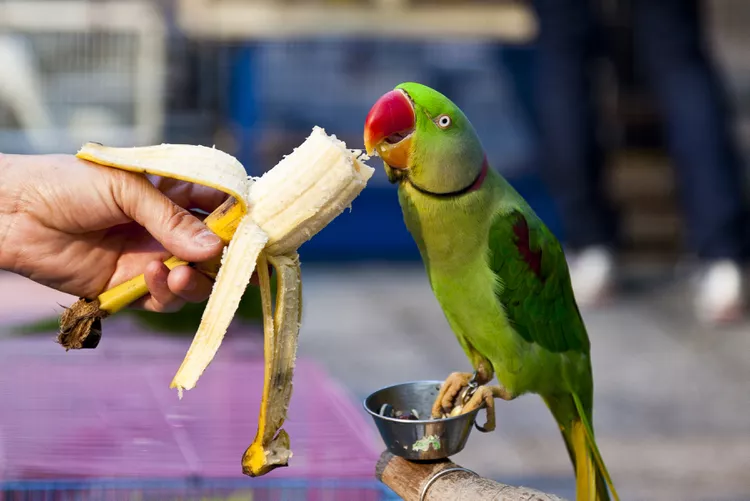
2. Fresh Fruits and Vegetables (20-25%)
Raw produce is a must-have in your parrot’s diet.
Best fruits for parrots:
- Apples (no seeds)
- Papaya
- Mango
- Banana
- Berries
- Pomegranate
Top vegetables to offer:
- Carrots
- Broccoli
- Kale
- Sweet potatoes
- Spinach
- Bell peppers
Avoid:
- Avocado (toxic)
- Onions and garlic
- Rhubarb
- Raw mushrooms
🍽 Serve fruits in the morning, veggies in the evening. Keep portions small and colorful to encourage curiosity and appetite.
3. Seeds and Nuts (10-15%)
Seeds are part of the natural food of a parrot, but they should not dominate the diet. Over-reliance can lead to obesity and nutritional deficiencies.
Healthy options include:
- Sunflower seeds (limited)
- Pumpkin seeds
- Flaxseed
- Walnuts
- Almonds (unsalted)
- Pistachios
Use seeds and nuts mostly as treats or for training, not a staple.
4. Whole Grains and Legumes
Cooked grains provide excellent energy and fiber.
- Brown rice
- Quinoa
- Oats
- Barley
- Lentils
- Chickpeas
Ensure grains are cooked without salt or oil. These are especially good for larger parrots like African Greys or Macaws.
5. Protein Sources
While fruits and vegetables are vital, parrots need protein for feather quality and muscle health.
Protein options:
- Cooked eggs (no salt)
- Boiled chicken (occasional)
- Tofu
- Cooked beans
Protein should make up a small part of their diet (5-10%).
Feeding Schedule: How Often Should You Feed a Parrot?
Parrots do well with consistent routines. Here’s a simple daily plan:
| Time of Day | Meal Type | Suggestions |
|---|---|---|
| Morning | Pellets + Fruits | Small mix of pellets + apple |
| Afternoon | Veggies + Protein | Chopped carrots + boiled egg |
| Evening | Pellets + Light Seeds | Pellets + 3 sunflower seeds |
Remove uneaten fresh food after 2 hours to avoid spoilage.
Homemade vs Commercial Parrot Food
| Type | Pros | Cons |
|---|---|---|
| Homemade | Customizable, fresh, cost-effective | Time-consuming, risk of imbalance |
| Commercial | Nutritionally balanced, convenient | May contain fillers or preservatives |
The ideal solution is a hybrid approach: use quality pellets as the base, supplemented with fresh produce and homemade elements.
Hydration: Do Parrots Need Special Water?
Always provide fresh, clean water daily. Avoid:
- Tap water with high chlorine
- Cold water from the fridge
Filtered or room-temperature water is best. Clean the dish daily to prevent bacteria growth.
Toxic Foods to Avoid
Some foods are toxic to parrots even in small amounts. Never feed:
- Avocado
- Chocolate
- Alcohol
- Coffee
- Onion and garlic
- Salty snacks
- Fruit seeds (especially apple seeds)
Signs of Poor Nutrition in Parrots
Watch for these red flags in your parrot’s health:
- Flaky or dull feathers
- Low energy or lethargy
- Overgrown beak or nails
- Excessive molting
- Diarrhea or poor droppings
If you notice these, consult an avian vet and assess their diet immediately.
Personal Experience: What Worked for My Parrot
When I first brought home my conure, she was used to a seed-only diet. Within weeks, she became lethargic and lost interest in play. With the vet’s help, I transitioned her to pellets, veggies, and occasional fruits.
The transformation was remarkable:
- Brighter feathers
- More vocal
- Energetic and social
Feeding variety not only improved her health but also strengthened our bond.
Conclusion: Tailor the Food of a Parrot to Its Needs
Feeding your parrot isn’t just about tossing seeds into a dish. It’s about understanding their biological needs, offering variety, and making meals exciting and nutritious.
By mixing pellets, fresh produce, grains, and occasional treats, you’ll keep your parrot healthy, happy, and full of life.
Remember: Every species is unique. Whether you own a budgie, conure, African Grey, or macaw—always research specific dietary needs and consult an avian vet for personalized advice. Want to learn more.