
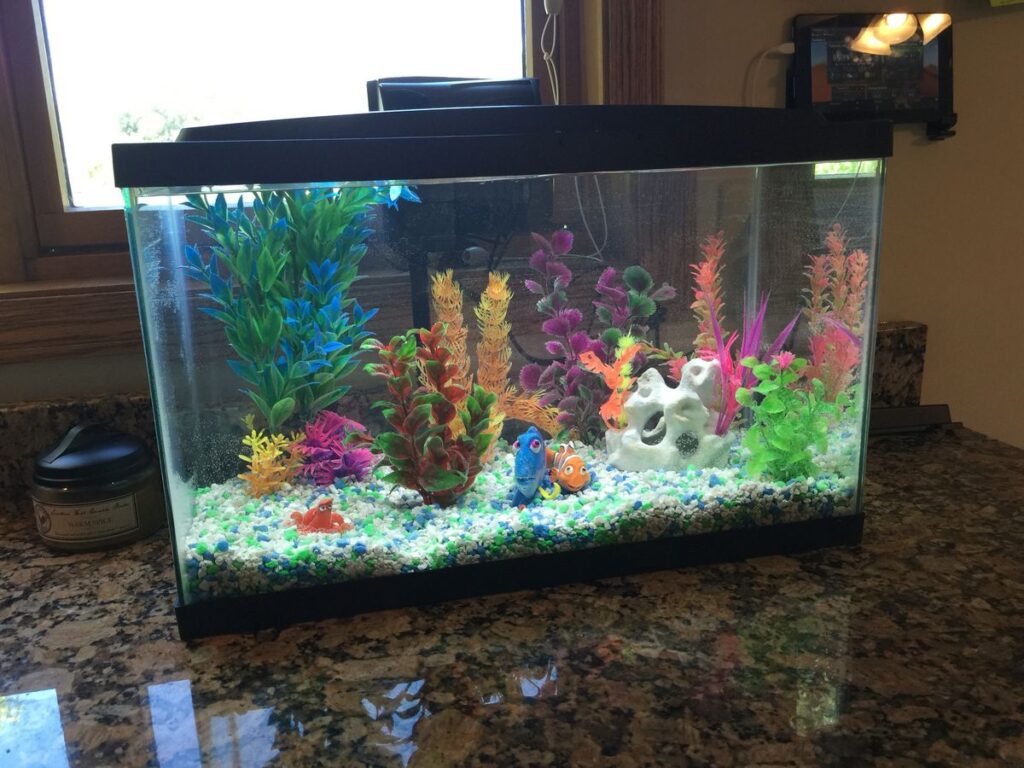
Ever dreamed of having your very own Finding Nemo fish tank at home? You’re not alone. The whimsical world of Nemo, Dory, and their colorful reef companions has captured the hearts of millions. And the good news? You can recreate that magical underwater scene right in your living room.
Whether you’re a Disney enthusiast, a beginner aquarist, or just want a unique and vibrant aquarium for your home, this guide will walk you through everything you need—from the right fish to themed decorations and tank setup tips.
Let’s dive in!
Table of Contents
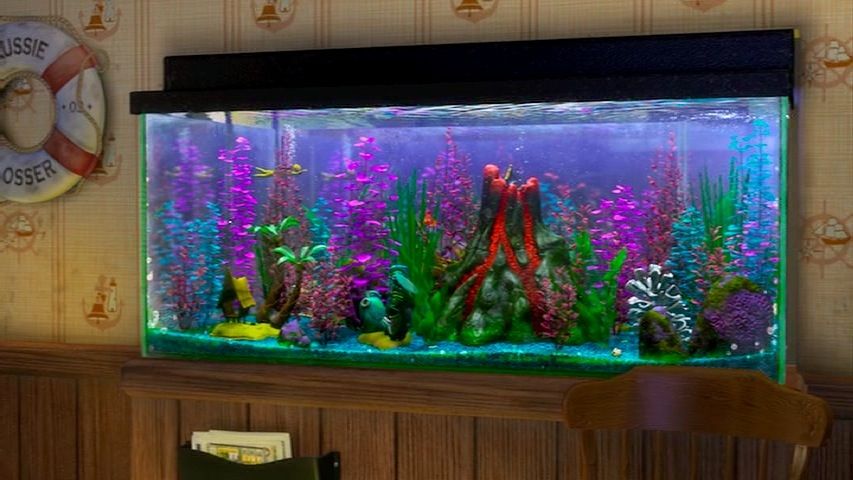
Why Choose a Finding Nemo Fish Tank?
A Finding Nemo fish tank isn’t just a tribute to the beloved Pixar movie—it’s also a fantastic way to combine fun, education, and beauty into one compact aquatic ecosystem.
Here’s why it’s a popular choice:
- Visually Stunning: Bright colors, coral-like decor, and active fish bring energy to any room.
- Kid-Friendly: Encourages curiosity and can help children learn responsibility.
- Themed Customization: Offers endless creativity with decor and character placement.
- Conversation Starter: Guests are instantly drawn to a familiar scene with a nostalgic touch.
What Fish Do You Need for a Finding Nemo Fish Tank?
Let’s start with the stars of the show. The following fish represent the key characters from Finding Nemo, and they’re all available in the aquarium trade. Be sure to check compatibility and care levels before mixing them.
1. Nemo – Clownfish (Ocellaris or Percula Clownfish)
- Size: Up to 4 inches
- Tank Size: Minimum 20 gallons
- Behavior: Peaceful, great for beginners
- Care Level: Easy
This orange-and-white striped fish is a must-have. It’s hardy, adaptable, and instantly recognizable.
2. Dory – Regal Blue Tang (Paracanthurus hepatus)
- Size: Up to 12 inches
- Tank Size: Minimum 75-100 gallons
- Behavior: Active swimmer, semi-aggressive
- Care Level: Intermediate to advanced
While Dory is beautiful and iconic, she needs plenty of space and clean, stable water conditions. This is not the best choice for small tanks or beginner aquarists.
3. Gill – Moorish Idol (Caution)
- Alternative: Heniochus Butterflyfish (Longfin Bannerfish)
- Size: 6–8 inches
- Tank Size: 75+ gallons
- Care Level: Difficult (Moorish Idol) / Moderate (Heniochus)
Moorish Idols are notoriously hard to keep alive in captivity. Consider a look-alike like the Heniochus instead.
4. Bubbles – Yellow Tang
- Size: Up to 8 inches
- Tank Size: 55 gallons minimum
- Behavior: Peaceful, can be territorial
- Care Level: Easy to moderate
This bright yellow fish adds vibrant contrast to the tank and fits the theme perfectly.
5. Deb/Flo – Black and White Damselfish or Chromis
- Size: Up to 3 inches
- Behavior: Can be aggressive
- Tank Size: 30+ gallons
Choose peaceful varieties of Damselfish or a Chromis if you want to avoid aggression.
Tank Size & Setup Considerations
Choosing the right tank size is crucial, especially if you plan to include multiple species like the Blue Tang or Yellow Tang.
Recommended Minimum Tank Sizes:
| Fish | Tank Size |
|---|---|
| Clownfish | 20 gallons |
| Blue Tang | 100 gallons |
| Yellow Tang | 55 gallons |
| Heniochus Butterfly | 75 gallons |
To safely house all these species together, a 100–125 gallon tank is ideal. Always consider the adult size of the fish and provide ample swimming space.
Decorating Your Finding Nemo Fish Tank
Now comes the fun part—setting the stage for your aquatic characters.
1. Background and Substrate
- Use a coral reef background or ocean-blue image for depth.
- For substrate, go with white or natural sand to mimic the movie’s reef floor.
2. Decorations & Ornaments
- Coral replicas: Vibrant soft and hard coral models (avoid sharp edges).
- Anemone lookalikes: Safe silicone anemones where your Clownfish can host.
- Movie-themed ornaments: Find “Nemo-themed” decorations like mini skulls, castles, or even a mini scuba diver helmet.
Tip: Avoid overly cluttering the tank. Fish need open space to swim.
3. Lighting
- Use LED lighting to simulate daylight and highlight the colorful fish.
- Consider blue lighting for a calming, oceanic ambiance.
Important Equipment for a Healthy Tank
Even the most beautifully decorated Finding Nemo fish tank needs the right gear to keep your fish healthy.
- Heater & Thermometer: Maintain stable temperatures (72–78°F).
- High-Quality Filter: Choose one suitable for your tank size.
- Protein Skimmer (for saltwater): Helps maintain clean water.
- Water Test Kit: Monitor pH, ammonia, nitrates, and salinity.
- Wave Maker (optional): Replicates ocean currents for realism.
Freshwater or Saltwater: Which One is Better?
The authentic Finding Nemo fish tank is a saltwater aquarium, but many people opt for a freshwater alternative with look-alike species due to cost and ease of maintenance.
Pros of Saltwater Tanks:
- Realistic marine species
- Vibrant colors and variety
- More accurate to the movie
Pros of Freshwater Alternatives:
- Easier and cheaper to maintain
- Ideal for beginners
- Still colorful with proper selection
If you’re new to aquariums, starting with a freshwater tank that mimics the look of Nemo’s reef is a great first step.
Cost Breakdown: What to Expect
Setting up a Finding Nemo fish tank can vary significantly in price depending on the setup type.
| Item | Approximate Cost |
|---|---|
| 100-gallon Tank Kit | $400–$800 |
| Filter & Heater | $150–$300 |
| Marine Fish (5–6 types) | $200–$600 |
| Decor & Substrate | $100–$250 |
| Salt Mix & Testing Kit | $75–$150 |
| Ongoing Maintenance/Month | $30–$60 |
Total initial setup cost for a full marine Finding Nemo fish tank ranges from $800 to $2,000.
Tips for Success with Your Finding Nemo Aquarium
- Cycle the tank before adding fish: This ensures water conditions are safe.
- Add fish gradually: Avoid overloading the system at once.
- Watch compatibility: Some fish may be territorial or aggressive.
- Perform weekly water changes: Helps maintain water quality.
- Feed balanced diets: Each fish may have different dietary needs.
Common Mistakes to Avoid
- Overcrowding the tank
A colorful tank is great, but fish need room to swim. - Ignoring water parameters
Especially in saltwater setups, test water frequently. - Mixing incompatible species
Just because they look nice doesn’t mean they get along. - Skipping research
Know what each fish needs before buying.
Is a Finding Nemo Fish Tank Right for You?
If you love the idea of a vibrant, themed aquarium that tells a story, the Finding Nemo fish tank is a magical and rewarding project.
While the full saltwater version is more challenging and expensive, a simplified or freshwater alternative still provides charm and fun. Start small, do your research, and gradually build your underwater world—just like Marlin did when he journeyed across the ocean to find his son.
Conclusion
A Finding Nemo fish tank isn’t just an aquarium—it’s an experience. It combines creativity, learning, and nature in one captivating hobby. With the right fish, setup, and care, you’ll have a piece of Pixar’s ocean right in your home.
Whether you’re setting it up for your kids, yourself, or as a centerpiece for guests, this themed tank will bring endless joy. Just remember: fishkeeping is a journey. Be patient, stay curious, and let your underwater adventure begin.
![Fishkeeping is more than just watching your aquatic friends swim—it's about creating a healthy, balanced ecosystem. And at the heart of that balance lies one of the most crucial factors: fish food. Whether you're a beginner setting up your first tank or a seasoned aquarist fine-tuning your care routine, understanding what to feed your fish can make all the difference. Let’s dive deep into the world of fish food and uncover what your fish really need to thrive. Why Choosing the Right Fish Food Matters The health of your fish depends directly on what you feed them. Just like humans, fish require a balanced diet rich in protein, fiber, vitamins, and minerals. But different species have different needs. Feeding your fish the wrong type of food can lead to: Nutritional deficiencies Digestive issues Poor coloration Reduced lifespan And in worst cases, it can impact water quality, leading to algae growth and health problems across the tank. Understanding the Different Types of Fish Food Not all fish food is created equal. Depending on your fish type, feeding habits, and tank conditions, you'll need to choose from several forms. 1. Flakes Best for: Top feeders like guppies, tetras, and bettas Pros: Easy to use, widely available, affordable Cons: Can lose nutrients quickly in water Flake fish food is a staple for many freshwater tanks. They float on the surface, making them ideal for top dwellers. However, if left uneaten, flakes can sink and pollute the substrate. 2. Pellets Best for: Mid-to-bottom feeders like angelfish, loaches, and cichlids Pros: Available in sinking or floating varieties, nutrient-dense Cons: May be too large for small fish Pellets come in different sizes and buoyancies. Choose sinking pellets for bottom dwellers and floating ones for surface feeders. 3. Freeze-Dried Food Best for: Carnivorous fish Pros: High in protein, long shelf-life, no parasites Cons: Lacks moisture, can cause constipation if overused Common freeze-dried options include bloodworms, daphnia, and brine shrimp. They’re great for occasional treats. 4. Frozen Food Best for: Sensitive or exotic species Pros: Retains nutrients, closer to natural diet Cons: Requires freezing, can be messy Ideal for picky eaters or breeding fish, frozen fish food offers high-quality nutrition in a more natural form. 5. Live Food Best for: Predator fish or breeding programs Pros: Stimulates natural hunting behavior Cons: Risk of introducing diseases, harder to store Options include live brine shrimp, blackworms, or feeder fish. Use sparingly and source from trusted suppliers. 6. Vegetable-Based Food Best for: Herbivorous fish like plecos or goldfish Pros: Aids digestion, balances protein-heavy diets Cons: Often overlooked in carnivore-focused tanks These foods include spirulina flakes, algae wafers, and even blanched vegetables like zucchini or spinach. How Often Should You Feed Your Fish? Overfeeding is one of the biggest mistakes new fishkeepers make. It can lead to bloating, poor water quality, and even death. So, what’s the right amount? General Rule: Feed your fish once or twice a day, offering only as much as they can eat in 2–3 minutes. For nocturnal or special species (like plecos), adjust timing accordingly. Pro Tip: Skip one feeding day a week to help their digestion and reduce waste buildup. Signs You’re Feeding Your Fish the Right Food Look out for these positive signs: Bright colors and shiny scales Active and responsive behavior Consistent growth rates Clean, clear tank water If you notice leftover food, cloudy water, or lethargic fish, you may need to reassess your feeding habits. Customizing Fish Food Based on Species Different fish have different nutritional requirements. Here are a few examples: Betta Fish Diet: High-protein; avoid plant-heavy foods Best Food: Betta-specific pellets, frozen bloodworms, daphnia Goldfish Diet: Omnivores, need more plant matter Best Food: Pellets, blanched veggies, goldfish flakes Cichlids Diet: Varies by species (some herbivores, some carnivores) Best Food: Cichlid-specific pellets, spirulina, shrimp Tetras and Guppies Diet: Omnivores Best Food: Micro pellets, flakes, occasional live/frozen treats Always research your specific fish species to fine-tune their feeding. Feeding Tips for a Healthy Aquarium Here are some tried-and-tested strategies from experienced aquarists: Soak dry food: Prevents air intake and bloating Rotate food types: Keeps diet balanced and interesting Feed after lights on: Fish are more active and ready to eat Remove uneaten food: Reduces waste and algae growth Common Mistakes to Avoid Feeding too much or too often Using expired or low-quality food Ignoring dietary needs of bottom dwellers Sticking to one food type only Not observing fish behavior during feeding Being mindful of these can drastically improve your fish's health. DIY Fish Food: Is It Worth Trying? If you want to go the extra mile, you can make your own fish food at home. Common ingredients include: Shrimp, fish fillet (protein) Spinach, peas, spirulina (vegetables) Gelatin or agar (binding agent) While homemade food can be more natural, it requires careful preparation to avoid nutritional imbalances or contamination. Sustainability and Ethical Choices in Fish Food The fish food industry is slowly shifting toward more ethical, sustainable practices. Look for brands that: Avoid overfishing Use insect-based protein or plant alternatives Employ eco-friendly packaging Maintain transparency about ingredients This not only helps your fish, but also supports the planet. Trusted Brands in Fish Food (for All Budgets) Here are a few well-known, reliable fish food brands: Tetra – Great for flakes and beginner-friendly food Hikari – High-quality pellets, especially for exotic fish API – Balanced formulas for all types of aquariums Omega One – Known for natural ingredients NorthFin – Premium, Canadian-made fish food Always check the label for ingredient transparency and species suitability. Conclusion: Feed Smart, Watch Your Tank Thrive Choosing the right fish food isn’t just about convenience—it’s about giving your aquatic pets the best chance at a vibrant, healthy life. By understanding what your fish eat, how they eat it, and how often, you're not just feeding fish—you're building a thriving underwater community. So next time you're at the pet store or browsing online, don’t just grab the first tub of flakes. Think about your tank, your fish, and the long-term benefits of feeding right. Your fish—and your water quality—will thank you. Looking to optimize your aquarium care? Check out our guides on [corner fish tank], [gravel for fish tank], and [aquarium fish tank decorations] for a holistic fishkeeping experience.](https://getpetsite.com/wp-content/uploads/2025/08/maine-cat-goldfish-food-150x150.jpg)