Skip to content
Pet Products Pet Products
  • Home
  • About us
  • Contact us
  • Cookies Policy
  • Privacy Policy
  • Terms and Conditions

Blog

Rocks for Fish Tank: A Complete Guide to Safe, Stylish Aquascaping Introduction: Why Rocks Matter in Your Fish Tank Setup Rocks are more than just decorative elements—they play a crucial role in building a healthy, engaging, and stable environment inside your aquarium. Whether you're aiming for a natural aquascape or just want to give your fish places to hide and explore, choosing the right rocks for fish tank setups can make all the difference. But here’s the twist: not all rocks are created equal. Some may look great but can disrupt water chemistry, harm fish, or leach toxins. That’s why it’s important to make informed choices. In this detailed guide, we’ll cover everything you need to know—from types of rocks, safety checks, placement techniques, to design inspiration. If you're looking to enhance your aquarium both visually and functionally, this is where you start. Why Use Rocks in a Fish Tank? Adding rocks to your aquarium does far more than beautify your tank. 1. Natural Aesthetics Rocks bring depth and realism to your setup. Whether you're replicating a riverbed or a rocky cliff, the right rock selection creates a more immersive environment. 2. Shelter and Territory Many fish species feel secure with hiding spots. Rocks provide caves, crevices, and shaded areas, which can reduce stress and aggression—especially for territorial fish like cichlids. 3. Support for Aquatic Plants Certain rocks serve as anchors for aquatic plants, mosses, and ferns. This makes them essential for aquascaping and plant-friendly environments. 4. Biological Benefits Porous rocks can foster beneficial bacteria colonies, improving biological filtration and overall water quality. What Makes a Rock Safe for Fish Tank Use? Before dropping just any rock into your aquarium, it’s crucial to evaluate its safety. H3: What to Watch Out For Toxic Minerals: Some rocks contain metals or elements that can leach into the water. pH Alteration: Rocks like limestone can increase pH and hardness, which may not be suitable for all fish. Sharp Edges: Can injure delicate fins or bottom-dwelling species. H3: Safety Tests You Can Do at Home ✅ Vinegar Test Drop white vinegar on the rock. If it fizzes, the rock contains calcium carbonate and may alter water chemistry—avoid unless you're keeping hard water species. ✅ Scratch Test Use a knife or coin to scratch the rock. If it easily flakes or crumbles, it might not be suitable for long-term submersion. ✅ Boiling Boil the rock in water for 15–20 minutes to kill bacteria, parasites, or algae before placing it in your tank. Note: Don’t boil rocks that hold air pockets (like lava rocks), as they can explode. Types of Rocks for Fish Tank: Safe and Popular Choices H2: 1. Seiryu Stone Grey-blue color with white veins Slightly raises pH Popular in aquascaping (especially Iwagumi layouts) Best for planted freshwater tanks H2: 2. Dragon Stone (Ohko Rock) Earthy, brown tones with a textured surface Lightweight and easy to stack Neutral effect on water chemistry Great for creating caves and cliffs H2: 3. Lava Rock Extremely porous—excellent for beneficial bacteria Neutral to slightly alkaline Works well in both freshwater and saltwater tanks Supports moss and other epiphytes H2: 4. Slate Flat and stackable Neutral in water chemistry Commonly used for creating ledges or cave structures H2: 5. Texas Holey Rock White rock full of holes and crevices Raises pH and hardness (ideal for African cichlids) Not recommended for soft water species H2: 6. Pagoda Rock Layered stone with a unique, sharp-looking formation Adds drama and verticality Neutral in water chemistry Rocks You Should Avoid Not every rock is aquarium-safe. Some can alter water conditions drastically or harm your fish. 🚫 Avoid These: Limestone – Raises pH and hardness Marble – Same as limestone, bad for soft-water tanks Sandstone – Can disintegrate over time Geodes/Crystals – May contain heavy metals Painted Rocks – Toxic coatings can peel and pollute water If in doubt, always source rocks from aquarium-specific suppliers rather than landscaping or hobby stores. How to Clean and Prepare Rocks for Your Aquarium Even if you buy aquarium-safe rocks, they still need cleaning before going into your tank. Step-by-Step Cleaning Guide: Scrub with a Brush Use a stiff-bristle brush to remove loose dirt, debris, or dust. Soak in Warm Water Let rocks soak in clean, dechlorinated water for a few hours. Boil or Bake (Optional but Effective) Boil for 15-20 minutes or bake at 200°F for 30 minutes to kill pathogens. Warning: Avoid this with porous rocks that can crack or explode. Rinse and Let Cool Never add hot rocks to your tank—let them cool completely. Aquascaping Ideas with Rocks for Fish Tank Designing your tank layout with rocks can transform your aquarium from basic to breathtaking. H3: Iwagumi Style (Minimalist Zen) Uses a few large Seiryu stones Symmetry, negative space, and balance are key Perfect for planted tanks with small fish like tetras or rasboras H3: Riverbed Theme Mix of smooth river rocks and driftwood Mimics natural streams and is ideal for species like loaches and corydoras H3: Cichlid Caves Stack holey rocks or slate to create layered cave systems Helps reduce aggression and gives shelter to fry H3: Lava Rock Jungle Lava rock base covered in moss and Java ferns Adds height and lush greenery to planted aquariums Rock Placement Tips for Safety and Style Secure Stacking: Use aquarium-safe epoxy if needed to prevent collapses No Glass Contact: Place rocks on a foam mat or egg crate to avoid scratching or cracking the tank base Leave Open Space: Fish need swimming room—don’t overcrowd Consider Maintenance Access: Make sure rocks don’t block filter intakes or heaters How Rocks Affect Water Chemistry Depending on the type of rock, your tank’s pH and hardness can be affected—positively or negatively. H3: Rocks That Raise pH Texas Holey Rock Limestone Coral Rock (not technically a rock but used in cichlid tanks) These are ideal for hard-water species like African cichlids. H3: Neutral Rocks (Best for Most Tanks) Slate Lava Rock Dragon Stone Seiryu Stone (minimal effect) Always monitor your water parameters weekly, especially after adding new décor. Budget Breakdown: Cost of Rocks for Fish Tank Rock Type Average Price (per lb) Best For Seiryu Stone $4–$6 Aquascaping, planted tanks Dragon Stone $3–$5 Natural-looking setups Lava Rock $1–$2 Filtration, plant anchoring Slate $1–$3 Ledges, caves Holey Rock $5–$8 Cichlid tanks Tip: Many local fish stores sell rocks by weight—take only what you need to control cost. Personal Experience: How Rocks Changed My Aquarium Game When I first added rocks for fish tank setups, I didn’t expect much beyond aesthetics. But I was surprised at how much calmer my fish became. My bettas and bottom dwellers like cory cats started exploring, hiding, and even showing new behaviors I hadn’t seen before. In one tank, I used lava rocks as a base and tied moss to them. It turned into a lush underwater garden, and my shrimp population exploded. The change was not just visual—it improved the health of the entire system. Final Thoughts: Building a Natural Home for Your Fish Rocks do more than just sit there—they shape the environment your fish call home. When thoughtfully selected and arranged, rocks for fish tank use can bring both style and function to your aquarium. They provide shelter, enhance filtration, and create a world your fish can truly thrive in. So whether you're designing a minimalist Iwagumi layout or a complex cichlid cave system, choose your rocks with care—and watch your underwater world come alive. Want more aquarium inspiration? Explore our guides on: Best plants to pair with aquarium rocks DIY rock backgrounds for tanks How to maintain water quality in aquascaped setups Start designing, and let your aquarium reflect the beauty of the wild. Ask ChatGPT Unlock more with Plus ChatGPT Plus gives you higher limits, smarter models, and Sora for video. Get Plus Tools
Posted inBlog

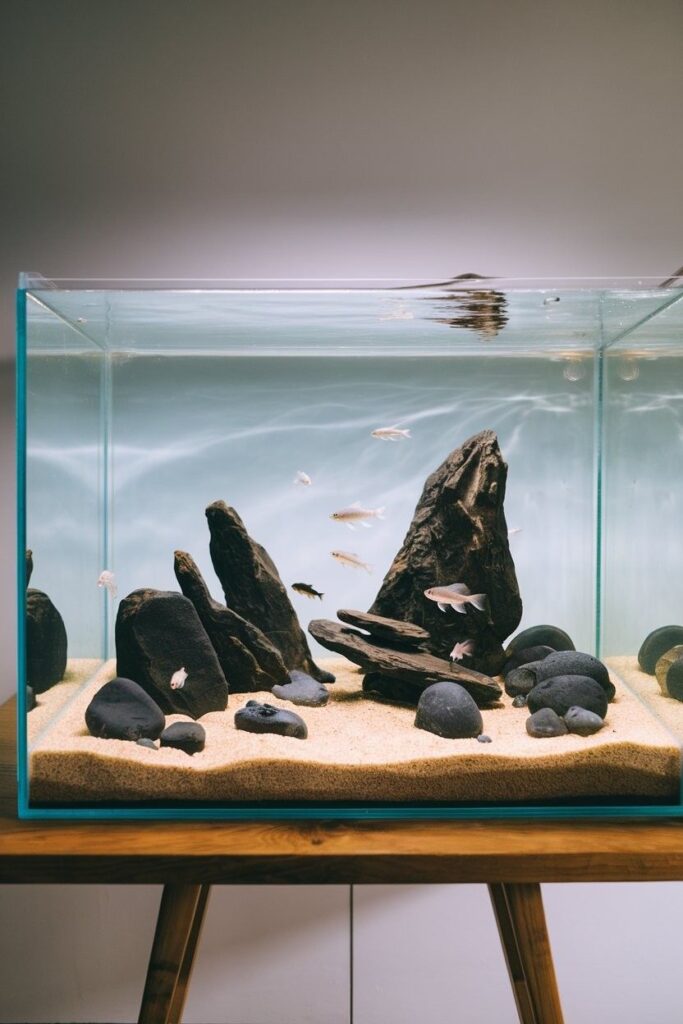
Rocks for Fish Tank: A Complete Guide to Safe, Stylish Aquascaping

Introduction: Why Rocks Matter in Your Fish Tank Setup Rocks are more than just decorative elements—they play a crucial role in building a healthy, engaging, and stable environment inside your…
Posted by Sameel Khan August 12, 2025
aquarium fish tank for home
Posted inBlog

Aquarium Fish Tank for Home: A Complete Guide to Style, Calm, and Care

Introduction: Why an Aquarium Fish Tank for Home Is More Than Just Decor Ever stood in front of a well-lit fish tank and felt instantly calmer? There’s a reason for…
Posted by Sameel Khan August 11, 2025
wild rabbit food​
Posted inBlog

Wild Rabbit Food: Understanding and Supporting Their Natural Diet

Wild rabbits are a charming part of many ecosystems, but feeding them properly requires knowledge and care. Offering the right wild rabbit food helps maintain their health without disrupting natural…
Posted by Sameel Khan August 10, 2025
Freshwater Fish in Tank: A Friendly Guide to Setting Up Your Dream Aquarium Setting up a freshwater fish tank can feel like diving into a whole new world—literally. It’s not just about putting a few fish into a glass box filled with water. It’s about creating a balanced, miniature ecosystem right in your living room. In this guide, we'll walk you through everything you need to know about keeping freshwater fish in tank, from choosing the right fish to maintaining a healthy environment. Whether you're starting your first aquarium or looking to upgrade your setup, this article has you covered. Why Choose Freshwater Fish for Your Tank? Freshwater aquariums are ideal for beginners and hobbyists alike. Compared to saltwater tanks, freshwater systems are: More affordable to set up and maintain Easier to manage with fewer chemical requirements Wide variety of fish species with different colors, shapes, and behaviors Great learning experience for kids and adults interested in aquatic life The lower maintenance doesn't mean less fun. Many freshwater fish in tank are just as colorful and active as their saltwater counterparts. Top Freshwater Fish for Tank Beginners Let’s start with the stars of your aquarium—the fish themselves. Here are the best beginner-friendly options: 1. Betta Fish Known for their striking colors and flowing fins Prefer to live alone in a well-decorated tank Can thrive in smaller tanks (at least 5 gallons) 2. Guppies Hardy and adaptable Available in a wide range of vibrant colors Do well in community tanks 3. Neon Tetras Small, peaceful schooling fish Add a bright shimmer with their neon blue and red stripes Prefer tanks with plants and hiding spots 4. Zebra Danios Active swimmers and fun to watch Thrive in small schools Very tolerant of changing water conditions 5. Corydoras Catfish Bottom dwellers that clean up leftover food Peaceful and shy Do well in groups of three or more 6. Platies Low-maintenance and social Great for community tanks Come in a wide range of colors Choosing the Right Tank Size A common mistake is starting too small. While a smaller tank seems easier, it's actually harder to keep water conditions stable. Here’s a quick guide: Tank Size Ideal For Fish Count (Approx.) 5 gallons Bettas or small species 1-2 fish 10 gallons Guppies, Platies, Tetras 4-6 small fish 20 gallons Small communities 6-10 small fish 30+ gallons Larger or more diverse setups 10+ fish Remember: The bigger the tank, the more stable the ecosystem. Must-Have Equipment for Freshwater Tanks Here’s what you’ll need to set up a functional and comfortable home for your freshwater fish in tank: Aquarium Filter – Keeps the water clean and healthy Heater – Maintains a stable temperature (especially for tropical fish) Lighting – Supports plant growth and enhances visibility Gravel/Substrate – Provides a base and can host beneficial bacteria Water Conditioner – Removes harmful chlorine and heavy metals Test Kit – Monitors water parameters like pH, ammonia, and nitrate Thermometer – Ensures the water stays within a safe range Creating the Perfect Environment A healthy aquarium is a balanced ecosystem. Follow these tips to create a thriving habitat: 1. Cycle the Tank Before Adding Fish New tanks need time to build up beneficial bacteria. This process, called the nitrogen cycle, usually takes 3-4 weeks. It helps break down fish waste and prevents toxic ammonia build-up. 2. Add Live Plants Live plants are more than just decoration. They: Absorb nitrates Produce oxygen Provide hiding spots for shy fish Try beginner-friendly plants like Java fern, Anubias, or Amazon sword. 3. Use Decorations Thoughtfully Decorations like caves, rocks, and driftwood help fish feel secure. Make sure all decor is aquarium-safe—no sharp edges or toxic materials. Feeding Your Freshwater Fish A well-fed fish is a happy fish, but overfeeding is a common mistake. Stick to these feeding tips: Feed once or twice a day Only give what they can eat in 2–3 minutes Remove uneaten food to prevent water pollution Common fish food options: Flake food – Great for surface feeders like guppies Pellets – Good for bottom feeders Frozen food – Offers a protein-rich treat Live food – Ideal for picky eaters, but use sparingly Cleaning & Maintenance: Keeping It Fresh Maintaining your tank is easier than it sounds. With regular care, your freshwater fish in tank will thrive. Weekly Tasks: Check temperature and water quality Clean debris and remove uneaten food Trim live plants if needed Bi-Weekly: Replace 20–30% of the water Vacuum gravel to remove waste Clean algae from glass and decorations Monthly: Rinse the filter in old tank water Inspect equipment for damage or wear Common Freshwater Fish Tank Mistakes Avoid these pitfalls when starting your journey: Skipping the cycle – Leads to fish loss from toxic water Overcrowding the tank – Stresses fish and causes aggression Mixing incompatible species – Some fish nip fins or fight Ignoring water tests – Can’t fix what you don’t measure Over-cleaning everything – Removes beneficial bacteria Building a Community Tank: Compatibility Matters If you want to keep multiple species together, compatibility is key. Here’s a simple guide to peaceful tankmates: Fish Species Compatible With Guppies Platies, Corydoras, Tetras Tetras Danios, Rasboras, Corydoras Platies Mollies, Swordtails, Guppies Betta (carefully) Snails, Corydoras, Shrimp (no fin-nippers) Zebra Danios Most peaceful community fish Tip: Research each fish’s temperament, size, and dietary needs before mixing. Personal Insight: My First Freshwater Aquarium When I set up my first freshwater fish in tank, I made plenty of beginner mistakes—like adding fish before the tank was cycled. But I also learned some valuable lessons: Patience is everything. Rushing leads to more problems. Live plants make the tank feel alive and help with water balance. A little research before buying fish saves a lot of stress later. Today, my 20-gallon community tank is home to guppies, neon tetras, and a couple of Corydoras catfish. Watching them interact and thrive is honestly therapeutic. Final Thoughts: Is a Freshwater Fish Tank Right for You? If you’re looking for a hobby that’s relaxing, beautiful, and teaches you about nature—keeping freshwater fish in tank is a fantastic choice. It’s more than a decoration. It’s a living, breathing slice of aquatic life that you create and care for. With the right setup, some patience, and ongoing care, you’ll enjoy the rewards of a thriving fish tank for years to come.
Posted inBlog

Freshwater Fish in Tank: A Friendly Guide to Setting Up Your Dream Aquarium

Setting up a freshwater fish tank can feel like diving into a whole new world—literally. It’s not just about putting a few fish into a glass box filled with water.…
Posted by Sameel Khan August 10, 2025
Fish Jar: A Simple Yet Beautiful Way to Keep Fish at Home Have you ever wanted to keep pet fish but felt overwhelmed by large aquariums and high-maintenance setups? A fish jar might be the perfect solution. Compact, aesthetic, and surprisingly easy to manage, this trend has taken off among minimalists, students, and small space dwellers alike. But is a fish jar really a healthy environment for fish? What kind of setup works best? And how do you balance design with the well-being of your aquatic pets? Let’s dive deep into the world of fish jars and find out what makes them special—and how to create one that’s both beautiful and functional. What is a Fish Jar? A fish jar is exactly what it sounds like—a clear glass jar (often a large one) used as a small aquarium for keeping one or more fish. It’s a minimalist approach to fish keeping that fits well in bedrooms, desktops, kitchens, or even small apartments. Fish jars usually range from 1 to 5 gallons in capacity and are often cylindrical or spherical. While they may resemble old-fashioned fish bowls, modern versions come with better filtration and design improvements to support healthier fish lives. Why Choose a Fish Jar Over a Traditional Aquarium? Here are a few compelling reasons people choose a fish jar: Space-saving: Perfect for tiny apartments, desks, or kitchen counters. Aesthetic appeal: Their clear, symmetrical design blends well with modern or rustic decor. Budget-friendly: Compared to full-sized aquariums, a fish jar setup costs significantly less. Educational: A great introduction to fish keeping for kids and beginners. Portable: Lightweight and easy to relocate. However, a fish jar isn't a substitute for a fully equipped aquarium. It requires thoughtful setup and regular care. Best Fish Species for a Fish Jar Not every fish can thrive in such a confined environment. The best fish jar inhabitants are small, hardy, and adaptable to variable conditions. Top choices include: Betta Fish Single betta per jar (they’re territorial) Gorgeous colors, low oxygen demand Needs regular water changes Guppies (1-2 only) Small, active, and colorful Prefer stable temperatures Endler’s Livebearers Close relatives of guppies Ideal for nano tanks and jars Shrimp or Snails (optional) Like Cherry shrimp or Nerite snails Help keep the jar clean by eating algae Avoid goldfish, tetras, and cichlids, as they require more space and oxygen. How to Set Up a Fish Jar: Step-by-Step Setting up your fish jar properly is essential for the health of your pet fish. Follow these steps to ensure a safe and appealing mini-aquarium. 1. Choose the Right Jar Use a jar that holds at least 1-2 gallons (larger is better). Opt for clear glass with a wide mouth for access and oxygen exchange. Avoid jars with narrow necks or unusual shapes that restrict airflow. 2. Add Gravel or Substrate Use aquarium-safe gravel or fine sand. Rinse thoroughly to remove dust or chemicals. A 1-inch layer is enough to anchor plants and provide some biological filtration. 3. Add Live or Artificial Plants Live plants like Java Moss, Anubias, or Hornwort can thrive in jars. They help absorb nitrates, improve oxygenation, and create a more natural habitat. Artificial plants also work, but they don’t improve water quality. 4. Decorate Carefully Avoid overloading with decorations—space is limited. Use smooth, non-toxic decor like small driftwood, pebbles, or a mini castle. 5. Fill with Dechlorinated Water Use conditioned tap water or pre-treated water to remove chlorine and chloramine. Maintain a stable temperature (ideally 75-80°F for most species). 6. Optional: Add a Small Filter or Heater For jars over 2 gallons, a small sponge filter or nano heater can greatly improve fish health. In smaller jars, consistent water changes become even more critical. How to Maintain a Fish Jar While a fish jar is low-maintenance, it still requires regular attention to ensure a safe and comfortable environment for its inhabitants. Weekly Tasks: Water Change: Replace 30-50% of the water with fresh, dechlorinated water. Gravel Cleaning: Gently stir or siphon the gravel to remove debris. Temperature Check: Ensure consistent warmth, especially in colder regions. Monthly Tasks: Plant Trimming: Remove dead leaves to avoid water contamination. Glass Cleaning: Wipe down inside walls to remove algae buildup. Feeding: Feed once daily or every other day. Remove uneaten food within 5 minutes. Overfeeding is a common cause of water issues in jars. Common Mistakes to Avoid Many new fish jar owners make critical errors that can harm or even kill their fish. Here's what to watch out for: Overcrowding: One fish is plenty for a small jar. Lack of filtration: While jars can function without filters, poor water quality is dangerous. Skipping water changes: Even a day or two can lead to toxin buildup. Using tap water without conditioning: Chlorine is lethal to fish. Adding incompatible fish: Avoid mixing species or adding aggressive tank mates. Fish Jar Design Inspirations Want to go beyond the basics? Here are a few themed ideas for decorating your fish jar: 1. Zen Garden Jar White sand, smooth pebbles, a single plant. Great for bettas and minimalists. 2. Undersea Fantasy Blue gravel, fake coral, pirate chest ornament. Ideal for kids and whimsical rooms. 3. Jungle Look Heavily planted with Java Fern, moss balls, and driftwood. Natural and lush atmosphere. Each theme can make your fish jar a centerpiece in any room while still offering comfort for your fish. Is a Fish Jar Right for You? A fish jar is an excellent choice if you're: Living in a dorm or studio apartment Looking for a low-budget, aesthetic pet project Interested in starting small before committing to a larger tank Responsible and willing to do weekly maintenance But if you want to keep multiple fish or species with specific needs, it’s better to invest in a proper tank with full equipment. Final Thoughts A fish jar is more than just a decorative piece—it’s a living, breathing ecosystem in a glass world. With the right care and attention, even a small jar can become a thriving aquatic environment and a conversation starter in your space. Whether you're a beginner aquarist or simply someone who loves combining nature with home décor, this minimalist approach might be your ideal entry into the world of fish keeping.
Posted inBlog

Fish Jar: A Simple Yet Beautiful Way to Keep Fish at Home

Have you ever wanted to keep pet fish but felt overwhelmed by large aquariums and high-maintenance setups? A fish jar might be the perfect solution. Compact, aesthetic, and surprisingly easy…
Posted by Sameel Khan August 10, 2025
Fish Tank Pirate Ship: A Nautical Treasure for Your Aquarium Ever thought about turning your aquarium into a scene from a maritime legend? A fish tank pirate ship might be exactly what you need. These decorative pieces do more than just add visual flair — they create a sense of mystery and adventure, making your underwater world come alive. Whether you're setting up a new tank or looking to enhance an existing one, pirate ship decorations offer a blend of creativity, functionality, and timeless appeal. Let’s dive into why they’re such a popular choice, how to choose the best one, and how to keep your aquatic environment safe and beautiful. Why a Pirate Ship? The Appeal Behind the Theme A fish tank pirate ship taps into a universal sense of adventure. Here's why this décor stands out: Storytelling: Pirate ships ignite imagination. They turn a simple tank into a treasure-filled seascape. Visual Impact: Intricately designed pirate ships, with tattered sails and weathered wood textures, add an eye-catching centerpiece. Shelter for Fish: These structures often include caves, crevices, and tunnels that provide hiding spots for fish, reducing stress. In short, a pirate ship in your aquarium adds both aesthetic value and practical benefits for aquatic life. Types of Fish Tank Pirate Ships Not all pirate ships are created equal. Here are the most common varieties available: 1. Full-Sized Centerpiece Ships Typically 8 to 20 inches long. Designed as the main focal point. Ideal for medium to large aquariums. 2. Sunken or Broken Pirate Ships Often come in two or three broken parts. Give the illusion of a wrecked ship scattered on the ocean floor. Better for creating a more dynamic, immersive look. 3. Mini Pirate Ships Smaller models, suitable for nano tanks or as secondary décor. Often used in betta or shrimp tanks. 4. Bubble-Producing Ships Equipped with an air line connection. Bubbles rise through the hull or cannon ports, enhancing oxygenation. Adds movement and entertainment to your setup. Materials: Safety First When selecting a fish tank pirate ship, make sure it’s made from aquarium-safe materials. Here are the most common: Resin or Polyresin: Durable and lightweight. These are molded to replicate wood, metal, and fabric details. Ceramic: Safe for freshwater and saltwater but can be fragile. Plastic: Only use high-quality, non-toxic plastic that’s certified for aquarium use. Avoid any decoration that has sharp edges or paint that peels. Flaking paint can harm fish and compromise water quality. How to Choose the Right Pirate Ship for Your Tank Here are a few considerations to help you select the best piece: 1. Tank Size Compatibility Ensure your pirate ship fits comfortably without overcrowding your tank. Leave enough swimming space for fish to move freely. 2. Fish Behavior Some fish are shy and appreciate the hiding spots. Others are territorial and may claim sections of the ship. 3. Maintenance Requirements Choose a design that’s easy to clean and won’t trap debris. Avoid overly intricate designs if you prefer low-maintenance tanks. Creative Placement Ideas To truly elevate your pirate-themed setup, it’s not just about placing the ship in the center. Think like a set designer. Sunken Scene Tilt the pirate ship at an angle to mimic a real wreck. Add gravel mounds around the base as if it's partially buried. Treasure Hunt Theme Place small chests, gold coins, or skull decorations nearby. Include artificial plants like Java Fern or Anubias for a lost-jungle effect. Battle Scene Combine with cannon decorations or opposing shipwrecks. Use LED lighting with a blue tint to give it an eerie, underwater glow. Maintenance Tips for Your Pirate Ship Decoration Even the most stunning decoration can become a nuisance if not properly cared for. 1. Regular Cleaning Use a soft brush to remove algae buildup every few weeks. Avoid soap or detergents. Soak in tank-safe solutions or use warm water. 2. Monitor Paint and Surface Watch for signs of wear, especially if paint starts chipping or flaking. If damage occurs, remove the decoration to prevent contamination. 3. Positioning During Cleaning Move the pirate ship slightly during each tank cleaning to avoid dead spots in water flow. Best Fish for Pirate Ship Setups Some fish are more likely to explore and enjoy the hiding spots in a pirate ship. Corydoras: Love exploring nooks and crannies. Betta Fish: Enjoy resting spots inside crevices. Dwarf Gouramis: Often curious and interactive with décor. Shrimp & Snails: Ideal for smaller holes and corners. Aggressive or large fish like cichlids might topple over lightweight decorations, so ensure your pirate ship is sturdy or weighted. Budget Considerations The price of a fish tank pirate ship can vary widely: Size/Type Price Range (USD) Mini Pirate Ship $5 – $15 Medium Resin Ship $20 – $40 Large Centerpiece $50 – $100+ Bubble Features Add $10 – $20 More expensive doesn’t always mean better. Look for realistic detail, material quality, and fish-safe certification. Combining with Other Themes You don’t have to stick with just one idea. Pirate ship decorations can be combined with other underwater themes like: Atlantis or Sunken Cities: Merge ancient ruins and Greek statues. Fantasy Underwater Worlds: Add sea monsters, divers, or glowing elements. Jungle River Scene: Use driftwood and moss for a more natural twist. This flexibility makes the pirate ship theme one of the most versatile options for aquascaping. Personal Experience: My First Pirate Tank When I set up my first fish tank pirate ship, I was skeptical. Would it look tacky? Would my fish even care? To my surprise, the tank became a conversation piece. Friends were drawn to the detailed masts and cannon holes. My fish—particularly my Corydoras—would dart in and out of the crevices, playing hide and seek. Over time, I added little details: a broken treasure chest, a skull, and glowing plants. The whole scene transformed into a dynamic underwater diorama that I enjoyed just as much as my fish. That setup lasted for over two years, and I still miss its cinematic flair. Conclusion: Set Sail into Creative Aquascaping A fish tank pirate ship isn’t just a quirky decoration — it’s a gateway to creative expression and a better habitat for your fish. With the right design, size, and placement, it brings depth, charm, and a sense of wonder to your tank. So, whether you're a beginner setting up your first aquarium or a seasoned aquarist looking to refresh your setup, consider sailing into new waters with a pirate-themed tank. It's fun, functional, and unforgettable.
Posted inBlog

Fish Tank Pirate Ship: A Nautical Treasure for Your Aquarium

Ever thought about turning your aquarium into a scene from a maritime legend? A fish tank pirate ship might be exactly what you need. These decorative pieces do more than…
Posted by Sameel Khan August 9, 2025
lighted cow yard decoration​
Posted inBlog

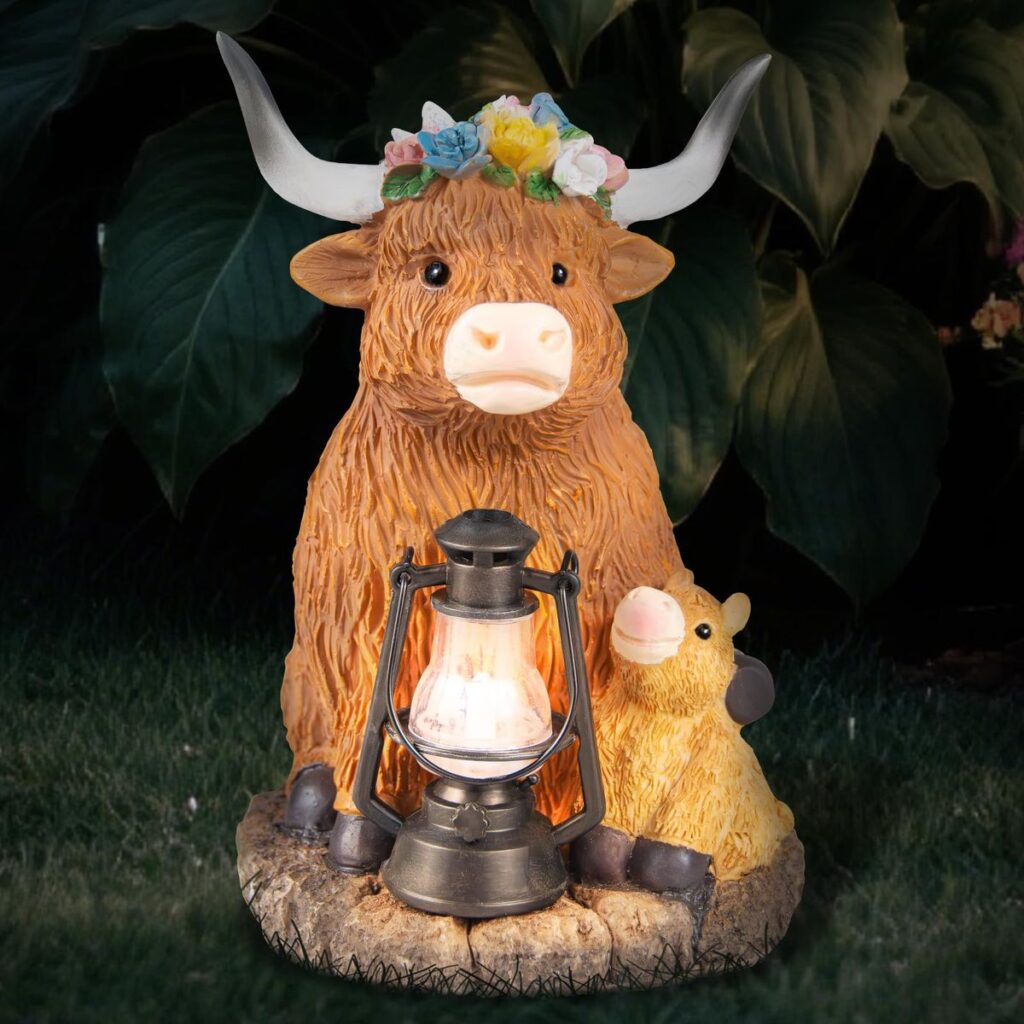
Lighted Cow Yard Decoration – A Fun & Rustic Outdoor Statement

If you’re looking for a way to bring personality, light, and a dash of farmhouse flair to your garden or yard, a lighted cow yard decoration might just be your…
Posted by Sameel Khan August 8, 2025
If you’ve ever owned both a dog and fish, you might’ve wondered: “Can dogs eat fish food?” Or maybe you're just exploring healthier options and stumbled upon fish dog food in a pet store. While it might sound unusual at first, fish-based diets for dogs are becoming increasingly popular—and for good reason. This blog post dives deep into the concept of fish dog food, separating fact from fiction and helping you decide whether it’s a smart move for your pet’s diet. Why Fish in Dog Food? Most traditional dog foods rely on meats like chicken, beef, or lamb. However, fish dog food offers a lean and nutrient-rich alternative. Here’s why many dog owners are making the switch: 1. High in Omega-3 Fatty Acids Fish like salmon, herring, and sardines are rich in Omega-3s, which: Promote healthy skin and shiny coats Reduce inflammation Improve joint health in senior dogs Support brain and eye development in puppies 2. Excellent Source of Protein Fish contains high-quality protein that helps build muscle and supports overall growth and repair in dogs. 3. Hypoallergenic Benefits Some dogs are allergic to common proteins like chicken or beef. Fish dog food is often used in hypoallergenic formulas, making it ideal for dogs with sensitive stomachs or skin issues. Is Fish Dog Food Safe? Yes, fish dog food is generally safe—as long as it's formulated for canine consumption. However, there are two very different interpretations of the term "fish dog food": ✅ 1. Commercial Fish-Based Dog Food This is food specifically made for dogs, with fish as the main protein. These are safe, nutritionally balanced, and vet-approved. ❌ 2. Fish Food for Aquariums (Not for Dogs!) This refers to the food we feed aquarium fish—flakes, pellets, or frozen worms. This is not meant for dogs and can be harmful if ingested in large quantities. If you're asking whether your dog can eat fish flakes by accident—yes, a small amount may not hurt. But it’s not designed for their system, and repeated exposure can cause issues. Key Ingredients to Look For in Fish Dog Food When choosing the best fish dog food, examine the ingredients list carefully. Here’s what to look for: ✅ High-Quality Fish Sources Salmon Whitefish Ocean fish Trout Sardines Avoid vague terms like “fish meal” unless the source is clearly identified (e.g., “salmon meal”). ✅ Omega-3 Enrichment Look for added fish oil or natural omega-rich fish to boost health benefits. ✅ Whole Grains or Grain-Free (Depending on Your Dog’s Needs) Some dogs thrive on grains like brown rice or oats, while others do better on grain-free formulas with sweet potatoes or peas. ✅ No Fillers or Artificial Preservatives Avoid products with corn, soy, wheat, or chemical preservatives like BHA/BHT. Best Fish Dog Food Brands (As of 2025) Here are some trusted brands known for high-quality fish-based dog food: Brand Fish Used Grain-Free Suitable For Orijen Six Fish 6 types of fish Yes All life stages Blue Buffalo Life Protection Whitefish No Adult dogs Taste of the Wild Pacific Stream Salmon Yes Dogs with sensitivities Wellness CORE Ocean Whitefish, Herring Yes Active dogs Natural Balance LID Fish & Sweet Potato Salmon Yes Dogs with allergies Homemade Fish Dog Food: Is It Worth It? Some dog owners prefer preparing fish meals at home. While this can work, it must be done carefully to ensure a balanced diet. Pros: You control the ingredients No preservatives or artificial fillers Can tailor meals for allergies Cons: Nutritional imbalance risk Takes time and effort Requires vet consultation Example Recipe: Simple Salmon & Veggie Bowl Ingredients: 1 cup cooked salmon (boneless, skinless) ½ cup boiled sweet potatoes ½ cup chopped spinach 1 tsp olive oil (for Omega-3 boost) Mix all ingredients and let cool before serving. Ensure you’re not adding any spices, garlic, or onions—these are toxic to dogs. What If Your Dog Eats Aquarium Fish Food? If your dog accidentally munches on fish food made for aquarium pets, here’s what you should do: 1. Stay Calm Small amounts are unlikely to cause major harm. 2. Check Ingredients Look for toxic ingredients like ethoxyquin, copper sulfate, or preservatives that may upset your dog’s stomach. 3. Monitor for Symptoms Watch for vomiting, diarrhea, or unusual behavior. If anything seems off, contact your vet immediately. When Fish Dog Food Is Not the Right Choice Fish-based diets are not suitable for all dogs. You should reconsider or consult a vet if your dog: Has a diagnosed seafood allergy Is prone to urinary issues (some fish may increase purine levels) Is on a prescription diet for kidney or liver conditions Always introduce new food gradually over 7–10 days to avoid gastrointestinal issues. Real-Life Story: How Fish Dog Food Helped Max’s Skin Allergies Max, a 6-year-old Golden Retriever, constantly battled itchy skin and hot spots. His owner, Sarah, tried different treatments—from shampoos to steroids—but nothing worked long-term. After a vet recommended switching to a fish dog food diet, Max’s condition improved within weeks. His coat grew shinier, scratching reduced dramatically, and his energy levels returned to normal. Sarah’s advice? “Don’t underestimate what a protein change can do. Fish dog food gave Max his life back.” Fish Dog Food vs. Traditional Meat-Based Dog Food Feature Fish Dog Food Traditional Dog Food Protein Source Fish (e.g., salmon, whitefish) Chicken, beef, lamb Omega-3 Content High Moderate to low Allergen Risk Lower Higher (especially chicken/beef) Taste Preference Some dogs love it, others don’t Generally accepted Digestibility High (especially in limited-ingredient diets) Varies by brand and meat used Conclusion: Should You Switch to Fish Dog Food? Fish dog food is an excellent option for many dogs—especially those with allergies, skin conditions, or digestive sensitivities. Rich in protein and Omega-3s, it offers real health benefits when sourced and used properly. However, it’s essential to ensure that you’re feeding your pup fish food meant for dogs, not food made for aquarium pets. Before making a switch, always consult your veterinarian, particularly if your dog has medical conditions. And remember, just like humans, every dog is different—what works for one may not work for another.
Posted inBlog

Fish Dog Food: Everything You Need to Know Before Feeding Your Pup

If you’ve ever owned both a dog and fish, you might’ve wondered: “Can dogs eat fish food?” Or maybe you're just exploring healthier options and stumbled upon fish dog food…
Posted by Sameel Khan August 8, 2025
Fishkeeping is more than just watching your aquatic friends swim—it's about creating a healthy, balanced ecosystem. And at the heart of that balance lies one of the most crucial factors: fish food. Whether you're a beginner setting up your first tank or a seasoned aquarist fine-tuning your care routine, understanding what to feed your fish can make all the difference. Let’s dive deep into the world of fish food and uncover what your fish really need to thrive. Why Choosing the Right Fish Food Matters The health of your fish depends directly on what you feed them. Just like humans, fish require a balanced diet rich in protein, fiber, vitamins, and minerals. But different species have different needs. Feeding your fish the wrong type of food can lead to: Nutritional deficiencies Digestive issues Poor coloration Reduced lifespan And in worst cases, it can impact water quality, leading to algae growth and health problems across the tank. Understanding the Different Types of Fish Food Not all fish food is created equal. Depending on your fish type, feeding habits, and tank conditions, you'll need to choose from several forms. 1. Flakes Best for: Top feeders like guppies, tetras, and bettas Pros: Easy to use, widely available, affordable Cons: Can lose nutrients quickly in water Flake fish food is a staple for many freshwater tanks. They float on the surface, making them ideal for top dwellers. However, if left uneaten, flakes can sink and pollute the substrate. 2. Pellets Best for: Mid-to-bottom feeders like angelfish, loaches, and cichlids Pros: Available in sinking or floating varieties, nutrient-dense Cons: May be too large for small fish Pellets come in different sizes and buoyancies. Choose sinking pellets for bottom dwellers and floating ones for surface feeders. 3. Freeze-Dried Food Best for: Carnivorous fish Pros: High in protein, long shelf-life, no parasites Cons: Lacks moisture, can cause constipation if overused Common freeze-dried options include bloodworms, daphnia, and brine shrimp. They’re great for occasional treats. 4. Frozen Food Best for: Sensitive or exotic species Pros: Retains nutrients, closer to natural diet Cons: Requires freezing, can be messy Ideal for picky eaters or breeding fish, frozen fish food offers high-quality nutrition in a more natural form. 5. Live Food Best for: Predator fish or breeding programs Pros: Stimulates natural hunting behavior Cons: Risk of introducing diseases, harder to store Options include live brine shrimp, blackworms, or feeder fish. Use sparingly and source from trusted suppliers. 6. Vegetable-Based Food Best for: Herbivorous fish like plecos or goldfish Pros: Aids digestion, balances protein-heavy diets Cons: Often overlooked in carnivore-focused tanks These foods include spirulina flakes, algae wafers, and even blanched vegetables like zucchini or spinach. How Often Should You Feed Your Fish? Overfeeding is one of the biggest mistakes new fishkeepers make. It can lead to bloating, poor water quality, and even death. So, what’s the right amount? General Rule: Feed your fish once or twice a day, offering only as much as they can eat in 2–3 minutes. For nocturnal or special species (like plecos), adjust timing accordingly. Pro Tip: Skip one feeding day a week to help their digestion and reduce waste buildup. Signs You’re Feeding Your Fish the Right Food Look out for these positive signs: Bright colors and shiny scales Active and responsive behavior Consistent growth rates Clean, clear tank water If you notice leftover food, cloudy water, or lethargic fish, you may need to reassess your feeding habits. Customizing Fish Food Based on Species Different fish have different nutritional requirements. Here are a few examples: Betta Fish Diet: High-protein; avoid plant-heavy foods Best Food: Betta-specific pellets, frozen bloodworms, daphnia Goldfish Diet: Omnivores, need more plant matter Best Food: Pellets, blanched veggies, goldfish flakes Cichlids Diet: Varies by species (some herbivores, some carnivores) Best Food: Cichlid-specific pellets, spirulina, shrimp Tetras and Guppies Diet: Omnivores Best Food: Micro pellets, flakes, occasional live/frozen treats Always research your specific fish species to fine-tune their feeding. Feeding Tips for a Healthy Aquarium Here are some tried-and-tested strategies from experienced aquarists: Soak dry food: Prevents air intake and bloating Rotate food types: Keeps diet balanced and interesting Feed after lights on: Fish are more active and ready to eat Remove uneaten food: Reduces waste and algae growth Common Mistakes to Avoid Feeding too much or too often Using expired or low-quality food Ignoring dietary needs of bottom dwellers Sticking to one food type only Not observing fish behavior during feeding Being mindful of these can drastically improve your fish's health. DIY Fish Food: Is It Worth Trying? If you want to go the extra mile, you can make your own fish food at home. Common ingredients include: Shrimp, fish fillet (protein) Spinach, peas, spirulina (vegetables) Gelatin or agar (binding agent) While homemade food can be more natural, it requires careful preparation to avoid nutritional imbalances or contamination. Sustainability and Ethical Choices in Fish Food The fish food industry is slowly shifting toward more ethical, sustainable practices. Look for brands that: Avoid overfishing Use insect-based protein or plant alternatives Employ eco-friendly packaging Maintain transparency about ingredients This not only helps your fish, but also supports the planet. Trusted Brands in Fish Food (for All Budgets) Here are a few well-known, reliable fish food brands: Tetra – Great for flakes and beginner-friendly food Hikari – High-quality pellets, especially for exotic fish API – Balanced formulas for all types of aquariums Omega One – Known for natural ingredients NorthFin – Premium, Canadian-made fish food Always check the label for ingredient transparency and species suitability. Conclusion: Feed Smart, Watch Your Tank Thrive Choosing the right fish food isn’t just about convenience—it’s about giving your aquatic pets the best chance at a vibrant, healthy life. By understanding what your fish eat, how they eat it, and how often, you're not just feeding fish—you're building a thriving underwater community. So next time you're at the pet store or browsing online, don’t just grab the first tub of flakes. Think about your tank, your fish, and the long-term benefits of feeding right. Your fish—and your water quality—will thank you. Looking to optimize your aquarium care? Check out our guides on [corner fish tank], [gravel for fish tank], and [aquarium fish tank decorations] for a holistic fishkeeping experience.
Posted inBlog

The Ultimate Guide to Fish Food: What Every Fish Owner Should Know

Fishkeeping is more than just watching your aquatic friends swim—it's about creating a healthy, balanced ecosystem. And at the heart of that balance lies one of the most crucial factors:…
Posted by Sameel Khan August 7, 2025
Ever dreamed of having your very own Finding Nemo fish tank at home? You’re not alone. The whimsical world of Nemo, Dory, and their colorful reef companions has captured the hearts of millions. And the good news? You can recreate that magical underwater scene right in your living room. Whether you're a Disney enthusiast, a beginner aquarist, or just want a unique and vibrant aquarium for your home, this guide will walk you through everything you need—from the right fish to themed decorations and tank setup tips. Let’s dive in! Why Choose a Finding Nemo Fish Tank? A Finding Nemo fish tank isn't just a tribute to the beloved Pixar movie—it's also a fantastic way to combine fun, education, and beauty into one compact aquatic ecosystem. Here’s why it’s a popular choice: Visually Stunning: Bright colors, coral-like decor, and active fish bring energy to any room. Kid-Friendly: Encourages curiosity and can help children learn responsibility. Themed Customization: Offers endless creativity with decor and character placement. Conversation Starter: Guests are instantly drawn to a familiar scene with a nostalgic touch. What Fish Do You Need for a Finding Nemo Fish Tank? Let’s start with the stars of the show. The following fish represent the key characters from Finding Nemo, and they’re all available in the aquarium trade. Be sure to check compatibility and care levels before mixing them. 1. Nemo – Clownfish (Ocellaris or Percula Clownfish) Size: Up to 4 inches Tank Size: Minimum 20 gallons Behavior: Peaceful, great for beginners Care Level: Easy This orange-and-white striped fish is a must-have. It's hardy, adaptable, and instantly recognizable. 2. Dory – Regal Blue Tang (Paracanthurus hepatus) Size: Up to 12 inches Tank Size: Minimum 75-100 gallons Behavior: Active swimmer, semi-aggressive Care Level: Intermediate to advanced While Dory is beautiful and iconic, she needs plenty of space and clean, stable water conditions. This is not the best choice for small tanks or beginner aquarists. 3. Gill – Moorish Idol (Caution) Alternative: Heniochus Butterflyfish (Longfin Bannerfish) Size: 6–8 inches Tank Size: 75+ gallons Care Level: Difficult (Moorish Idol) / Moderate (Heniochus) Moorish Idols are notoriously hard to keep alive in captivity. Consider a look-alike like the Heniochus instead. 4. Bubbles – Yellow Tang Size: Up to 8 inches Tank Size: 55 gallons minimum Behavior: Peaceful, can be territorial Care Level: Easy to moderate This bright yellow fish adds vibrant contrast to the tank and fits the theme perfectly. 5. Deb/Flo – Black and White Damselfish or Chromis Size: Up to 3 inches Behavior: Can be aggressive Tank Size: 30+ gallons Choose peaceful varieties of Damselfish or a Chromis if you want to avoid aggression. Tank Size & Setup Considerations Choosing the right tank size is crucial, especially if you plan to include multiple species like the Blue Tang or Yellow Tang. Recommended Minimum Tank Sizes: Fish Tank Size Clownfish 20 gallons Blue Tang 100 gallons Yellow Tang 55 gallons Heniochus Butterfly 75 gallons To safely house all these species together, a 100–125 gallon tank is ideal. Always consider the adult size of the fish and provide ample swimming space. Decorating Your Finding Nemo Fish Tank Now comes the fun part—setting the stage for your aquatic characters. 1. Background and Substrate Use a coral reef background or ocean-blue image for depth. For substrate, go with white or natural sand to mimic the movie’s reef floor. 2. Decorations & Ornaments Coral replicas: Vibrant soft and hard coral models (avoid sharp edges). Anemone lookalikes: Safe silicone anemones where your Clownfish can host. Movie-themed ornaments: Find “Nemo-themed” decorations like mini skulls, castles, or even a mini scuba diver helmet. Tip: Avoid overly cluttering the tank. Fish need open space to swim. 3. Lighting Use LED lighting to simulate daylight and highlight the colorful fish. Consider blue lighting for a calming, oceanic ambiance. Important Equipment for a Healthy Tank Even the most beautifully decorated Finding Nemo fish tank needs the right gear to keep your fish healthy. Heater & Thermometer: Maintain stable temperatures (72–78°F). High-Quality Filter: Choose one suitable for your tank size. Protein Skimmer (for saltwater): Helps maintain clean water. Water Test Kit: Monitor pH, ammonia, nitrates, and salinity. Wave Maker (optional): Replicates ocean currents for realism. Freshwater or Saltwater: Which One is Better? The authentic Finding Nemo fish tank is a saltwater aquarium, but many people opt for a freshwater alternative with look-alike species due to cost and ease of maintenance. Pros of Saltwater Tanks: Realistic marine species Vibrant colors and variety More accurate to the movie Pros of Freshwater Alternatives: Easier and cheaper to maintain Ideal for beginners Still colorful with proper selection If you’re new to aquariums, starting with a freshwater tank that mimics the look of Nemo’s reef is a great first step. Cost Breakdown: What to Expect Setting up a Finding Nemo fish tank can vary significantly in price depending on the setup type. Item Approximate Cost 100-gallon Tank Kit $400–$800 Filter & Heater $150–$300 Marine Fish (5–6 types) $200–$600 Decor & Substrate $100–$250 Salt Mix & Testing Kit $75–$150 Ongoing Maintenance/Month $30–$60 Total initial setup cost for a full marine Finding Nemo fish tank ranges from $800 to $2,000. Tips for Success with Your Finding Nemo Aquarium Cycle the tank before adding fish: This ensures water conditions are safe. Add fish gradually: Avoid overloading the system at once. Watch compatibility: Some fish may be territorial or aggressive. Perform weekly water changes: Helps maintain water quality. Feed balanced diets: Each fish may have different dietary needs. Common Mistakes to Avoid Overcrowding the tank A colorful tank is great, but fish need room to swim. Ignoring water parameters Especially in saltwater setups, test water frequently. Mixing incompatible species Just because they look nice doesn’t mean they get along. Skipping research Know what each fish needs before buying. Is a Finding Nemo Fish Tank Right for You? If you love the idea of a vibrant, themed aquarium that tells a story, the Finding Nemo fish tank is a magical and rewarding project. While the full saltwater version is more challenging and expensive, a simplified or freshwater alternative still provides charm and fun. Start small, do your research, and gradually build your underwater world—just like Marlin did when he journeyed across the ocean to find his son. Conclusion A Finding Nemo fish tank isn’t just an aquarium—it’s an experience. It combines creativity, learning, and nature in one captivating hobby. With the right fish, setup, and care, you’ll have a piece of Pixar’s ocean right in your home. Whether you're setting it up for your kids, yourself, or as a centerpiece for guests, this themed tank will bring endless joy. Just remember: fishkeeping is a journey. Be patient, stay curious, and let your underwater adventure begin.
Posted inBlog

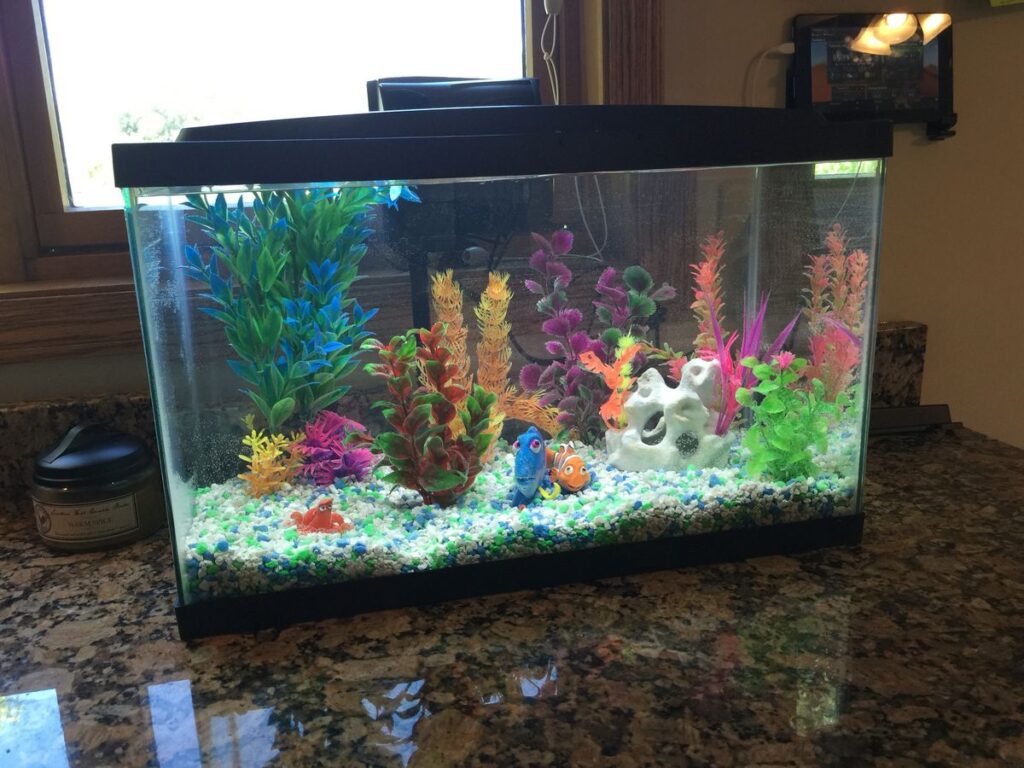
Finding Nemo Fish Tank: A Complete Guide to Recreating the Ocean’s Most Famous Aquarium

Ever dreamed of having your very own Finding Nemo fish tank at home? You’re not alone. The whimsical world of Nemo, Dory, and their colorful reef companions has captured the…
Posted by Sameel Khan August 6, 2025

Posts pagination

Previous page 1 2 3 4 5 6 … 8 Next page

Recent Posts

  • Dog Pampers: A Helpful Solution for Hygiene and Comfort
  • Slow Feeder Dog Bowl: Why It’s a Game-Changer for Your Dog’s Health
  • Dog Man Toys: The Ultimate Guide to Durable and Fun Dog Toys
  • Best Lint Brush for Clothes: Your Go-To Guide for Spotless Apparel
  • Washable Dog Pee Pads: A Smart Solution for Clean, Comfortable Homes

Recent Comments

  1. Cat Eye Sunglasses: Timeless Glamour with a Modern Twist on Cat Diapers: Everything You Need to Know Before Buying One
Copyright 2026 — Pet Products. All rights reserved.
Scroll to Top