Introduction
Cats are known for their natural grooming habits, but that doesn’t mean they don’t need a little help from their humans. Regular grooming keeps your cat’s coat healthy, reduces shedding, prevents hairballs, and even strengthens your bond. The key to successful grooming is using the right cat grooming tools.
Whether you’re a first-time cat parent or a seasoned feline enthusiast, this guide will walk you through every essential tool, how to use it, and tips to keep your kitty comfortable during grooming sessions.
Table of Contents
Why Grooming Your Cat is Important
Before we dive into the tools, let’s understand why grooming matters:
- Removes loose hair – Keeps your home cleaner and reduces fur on clothes.
- Prevents matting – Especially important for long-haired breeds.
- Distributes natural oils – Keeps fur shiny and skin healthy.
- Early health detection – Grooming allows you to spot lumps, fleas, or skin issues.
- Strengthens your bond – Cats love gentle grooming as part of affection.
Essential Cat Grooming Tools
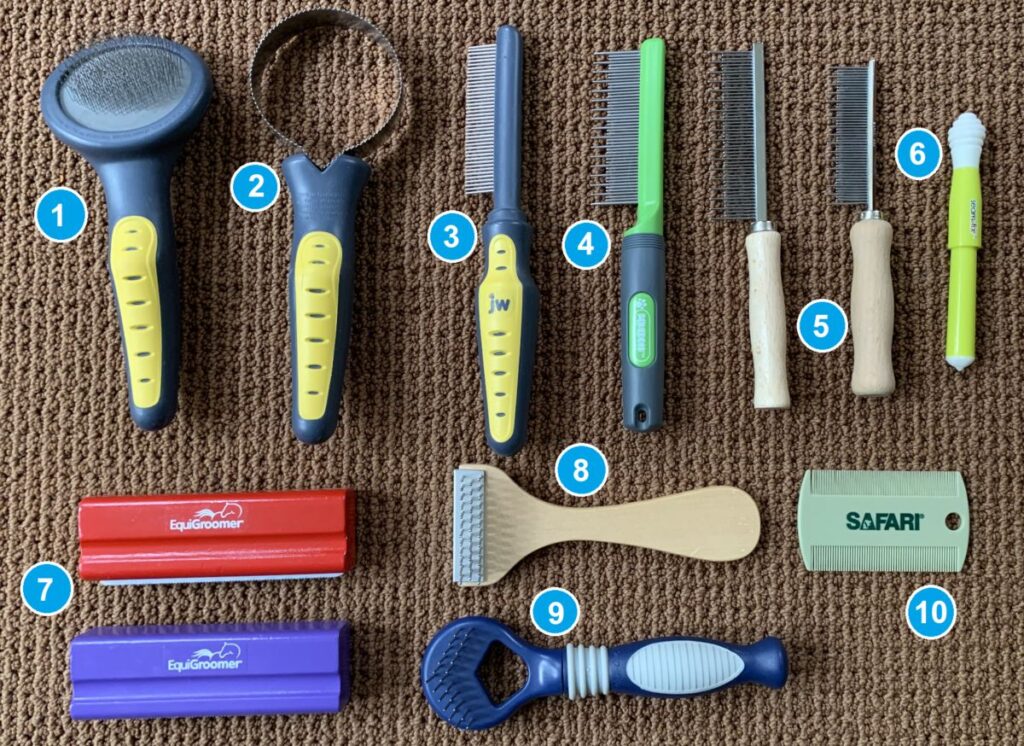
Here’s a breakdown of the must-have grooming tools for cats, including their uses:
1. Slicker Brush
- Best for: Removing tangles and loose fur.
- How to use: Brush in the direction of hair growth to avoid irritating the skin.
- Tip: Ideal for medium to long-haired cats.
2. Deshedding Tool
- Best for: Reducing shedding in both short and long-haired cats.
- How to use: Use once or twice a week to pull out loose undercoat hair.
- Tip: Choose a size that fits your cat’s body comfortably.
3. Grooming Comb
- Best for: Detangling and removing small knots.
- How to use: Work through mats gently, starting at the ends of the fur.
- Tip: Metal combs are more durable than plastic ones.
4. Cat Nail Clippers
- Best for: Trimming claws to prevent scratches and overgrowth.
- How to use: Clip only the transparent tip—avoid the pink quick.
- Tip: Use treats to keep your cat calm during nail trimming.
5. Grooming Gloves
- Best for: Cats who dislike traditional brushes.
- How to use: Simply pet your cat while wearing the gloves to remove loose fur.
- Tip: Great for nervous or first-time grooming experiences.
6. Flea Comb
- Best for: Detecting and removing fleas.
- How to use: Run through your cat’s fur and check for flea dirt.
- Tip: Use alongside flea treatments for best results.
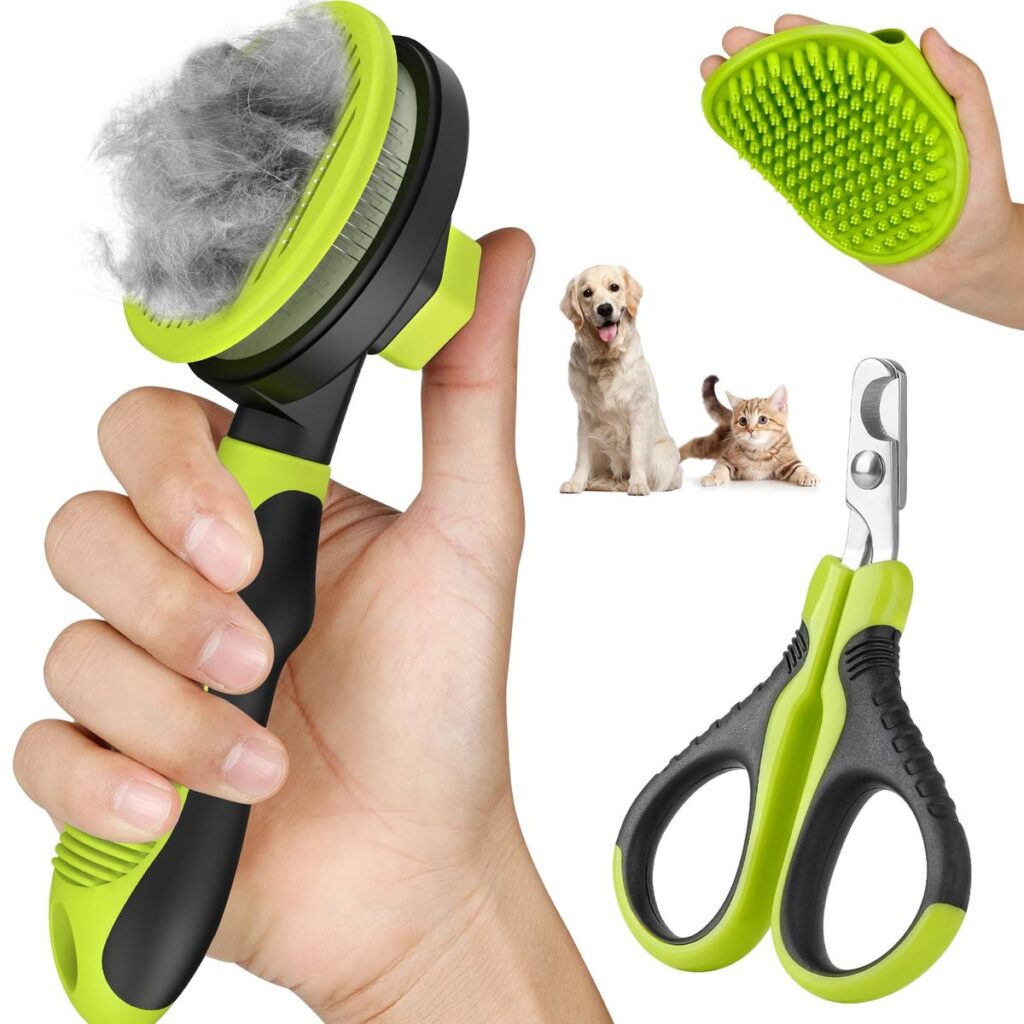
7. Cat Bathing Supplies
- Best for: Cats who require baths due to dirt, fleas, or skin conditions.
- How to use: Use cat-safe shampoo and warm water.
- Tip: Only bathe when necessary—most cats don’t need frequent baths.
How to Choose the Right Grooming Tools
When picking cat grooming tools, consider:
- Your cat’s coat length – Long-haired cats need more detangling tools.
- Your cat’s temperament – Nervous cats may prefer gloves over brushes.
- Quality and comfort – Choose ergonomic handles and gentle bristles.
Grooming Tips for a Stress-Free Experience
- Start young so your cat gets used to grooming.
- Keep sessions short and positive.
- Reward with treats or play afterward.
- Be gentle and patient—never force grooming.
Conclusion
Using the right cat grooming tools not only keeps your feline friend looking their best but also improves their overall health and comfort. A little time spent grooming each week can prevent bigger problems like mats, hairballs, and skin issues.
Whether you invest in a high-quality slicker brush, a deshedding tool, or grooming gloves, your cat will thank you with purrs and a healthier, shinier coat.