Introduction
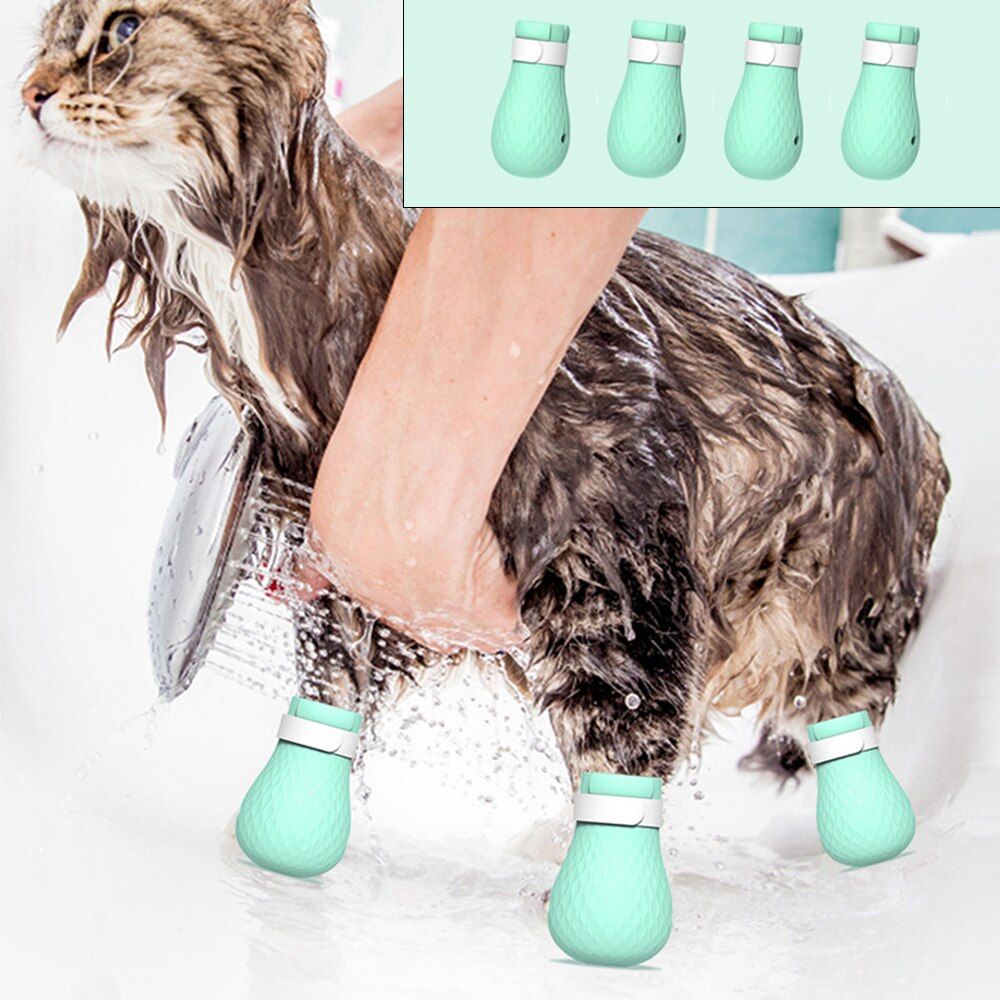
Bathing a cat can feel like a battle scene from an action movie — complete with claws, leaps, and lots of drama. While most cats groom themselves, there are times when a bath becomes necessary. Maybe your cat got into something sticky, has a skin condition, or is shedding excessively.
The right cat bathing tools can turn this stressful task into a manageable (and even pleasant) routine for both you and your feline friend. This guide covers everything you need to know — from essential gear to step-by-step bathing tips.
Table of Contents
Why the Right Cat Bathing Tools Matter
Cats are sensitive creatures. Loud noises, slippery tubs, and the wrong grooming products can lead to anxiety or even injury. Investing in the right tools ensures:
- Safety – Minimizes risk of slips and scratches.
- Comfort – Gentle tools keep your cat calm.
- Efficiency – Speeds up the bathing process.
- Better Hygiene – Thorough cleaning without harming your cat’s skin or coat.
Essential Cat Bathing Tools
1. Cat-Specific Shampoo
Never use human shampoo on cats — their skin pH is different. Choose a cat-friendly, hypoallergenic shampoo that’s:
- Sulfate-free and paraben-free
- Designed for your cat’s coat type (long or short hair)
- Medicated if your cat has skin issues
Pro Tip: For cats that hate water, consider waterless or foam shampoos.
2. Grooming Brush
Brushing before the bath removes tangles and loose fur, preventing matting when wet. Look for:
- Slicker Brushes – For long-haired cats
- Bristle Brushes – For short-haired cats
- Deshedding Tools – For heavy shedders
3. Non-Slip Bath Mat
Cats often panic when they can’t get a grip. A non-slip mat in the sink or tub keeps their paws stable and reduces stress.
4. Cat Bathing Tub or Sink Insert
A small, enclosed space makes cats feel more secure than a large bathtub. Many pet bathing tubs are portable and come with built-in restraints.
5. Handheld Sprayer or Cup
A gentle water flow is less scary than a loud faucet. Use:
- Pet sprayers with adjustable flow
- Plastic cups for pouring water slowly
6. Cotton Balls for Ears
Prevent water from getting inside your cat’s ears by placing soft cotton balls inside (don’t push too deep).
7. Cat Drying Towels
Cats often dislike blow dryers, so super-absorbent microfiber towels are your best bet. For cats tolerant of dryers, choose one with a quiet, low-heat setting.
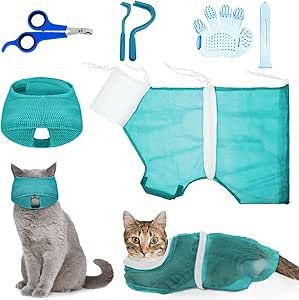
8. Cat Bathing Gloves
Thick, water-resistant gloves protect you from scratches and help maintain grip if your cat tries to wriggle away.
9. Cat Conditioner (Optional)
For long-haired breeds, a leave-in conditioner prevents tangling and keeps fur silky.
How to Use Cat Bathing Tools for a Stress-Free Wash
Step 1: Prepare Everything Beforehand
Place all tools within reach before bringing your cat into the bathroom. This reduces time spent holding a wet, unhappy cat.
Step 2: Brush Before Bathing
Remove knots and loose hair to make shampooing easier and more effective.
Step 3: Fill the Tub
Fill with lukewarm water (about 2–3 inches deep). Cats dislike deep water, so keep it shallow.
Step 4: Gently Wet Your Cat
Use a sprayer or cup to slowly wet the fur from neck to tail, avoiding the face.
Step 5: Apply Cat Shampoo
Massage the shampoo into the fur using gentle, circular motions. Follow instructions on the label.
Step 6: Rinse Thoroughly
Leftover shampoo can irritate the skin, so rinse until the water runs clear.
Step 7: Dry and Comfort
Wrap your cat in a microfiber towel and gently pat dry. Offer treats to create a positive association.
Pro Tips for First-Time Cat Bathers
- Keep the session short — under 10 minutes if possible.
- Work in a calm environment with minimal noise.
- Reward with treats and praise before, during, and after.
- If your cat gets too stressed, pause and try again later.
Common Mistakes to Avoid
❌ Using human shampoo — too harsh for cat skin.
❌ Forcing your cat into deep water.
❌ Skipping the pre-bath brush.
❌ Rushing and accidentally scratching your cat’s skin.
Best Cat Bathing Tool Recommendations
| Tool | Best For | Example Features |
|---|---|---|
| Hypoallergenic Cat Shampoo | Sensitive skin | pH-balanced, no harsh chemicals |
| Slicker Brush | Long-haired cats | Fine wire bristles, detangling |
| Non-Slip Mat | All cats | Rubber grip, easy to clean |
| Microfiber Towel | Quick drying | Super absorbent, soft |
| Cat Bath Tub | Secure bathing | Compact size, non-slip base |
FAQs About Cat Bathing Tools
Q1: How often should I bathe my cat?
For most cats, once every 4–6 weeks is enough, unless they get dirty.
Q2: Can I use baby shampoo for my cat?
No. Even mild human products can irritate a cat’s skin.
Q3: My cat hates baths — what should I do?
Try waterless shampoo or grooming wipes, and gradually introduce water over time.
Q4: Should I blow dry my cat?
Only if your cat tolerates it. Always use the lowest heat setting.
Conclusion
With the right cat bathing tools, the dreaded cat bath doesn’t have to be a stressful experience. The key is preparation, gentle handling, and using products made specifically for cats. Whether you’re dealing with a playful kitten or a grumpy senior, these tools can make bath time faster, safer, and less traumatic.
Clean cat, happy home — and maybe even fewer scratches for you.