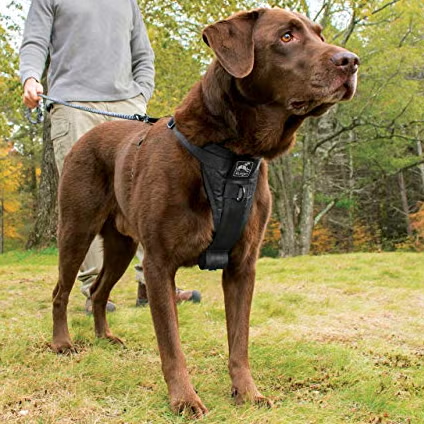
Introduction: Why Every Small Dog Needs the Right Body Leash
If you’ve ever struggled to control your energetic little pup during a walk, you’re not alone. Small dogs may be tiny, but they come with big personalities—and that means they need proper gear. One of the most important tools? A body leash for small dogs.
Unlike regular neck collars, a body leash (or harness) distributes pressure evenly across your dog’s body. It’s safer, more comfortable, and often easier to manage. But with so many options out there, how do you choose the right one?
Let’s dig deep and explore what makes a good body leash for small dogs—and how it can improve your daily walk routine.
Table of Contents
Why Choose a Body Leash Over a Traditional Collar?
Before diving into specific types and tips, it’s important to understand why a body leash for small dogs is often the better choice.
✅ Prevents Throat Injuries
Small breeds like Chihuahuas, Pomeranians, and Shih Tzus have delicate necks. A traditional collar can cause discomfort—or worse, damage to the trachea—if your dog pulls too hard. Here you found the best thing about body leash for small dogs if you want to find more like body leash for small dogs topics on our website and enjoy.
✅ Better Control
With a body leash, you’re guiding your dog from the torso rather than the neck. This gives you more control without causing harm or stress to your pet.
✅ Reduced Escaping Risk
Many small dogs are escape artists. A properly-fitted body harness makes it much harder for your pup to wiggle free.
Types of Body Leash for Small Dogs
There are a few main styles to consider, each with its own pros and cons:
1. Step-In Harness
- Easy to wear
- Great for dogs who don’t like things pulled over their head
- Secure fit
2. Overhead Harness
- Slides over the head and secures at the back or chest
- Often more padded
- Ideal for longer walks or active dogs
3. No-Pull Harness
- Designed to prevent tugging
- Comes with a front clip for extra control
- Excellent for training purposes
What to Look for in a Body Leash for Small Dogs
Choosing the right gear is about more than just size. Here’s what to consider when buying a body leash for small dogs:
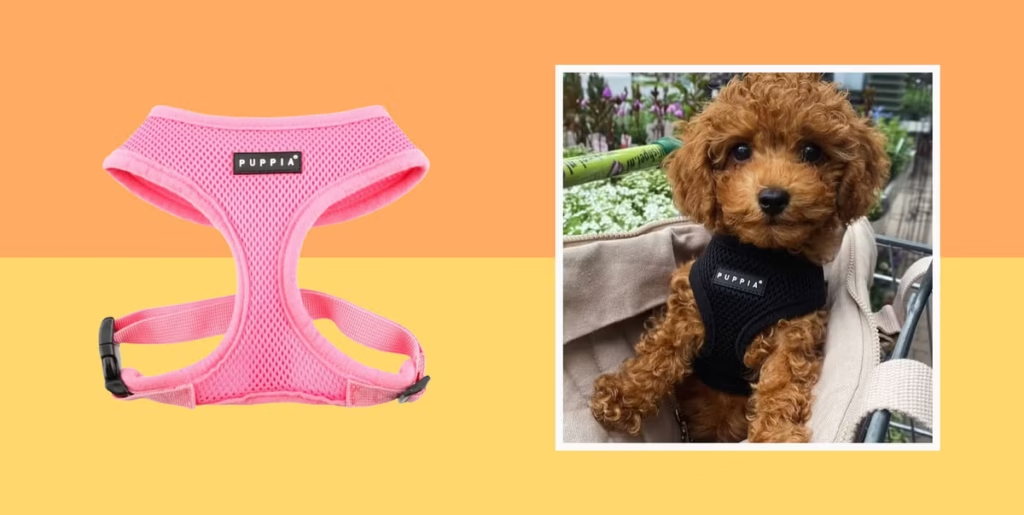
1. Proper Fit
Measure your dog’s chest and neck before purchasing. A too-tight harness can restrict movement, while a loose one could lead to escape.
2. Material & Padding
Look for breathable, lightweight materials like mesh or neoprene. Padding adds comfort, especially for longer walks.
3. Adjustability
The best body leashes come with multiple adjustable points to ensure a snug, custom fit.
4. Durable Clips & Buckles
Choose products with strong D-rings and high-quality clips that won’t snap under pressure.
5. Reflective Elements
If you walk at night or early morning, reflective strips are a safety must-have.
Personal Experience: What Worked for My Dog
When I first adopted my Yorkshire Terrier, Max, I started with a cute collar. Big mistake. Every time he tugged, he coughed, and I could tell he wasn’t comfortable. I switched to a body leash designed for small dogs, and everything changed.
Suddenly, he was more relaxed on walks. I wasn’t worried about choking or injuries. Most importantly, it gave me peace of mind knowing he was secure and happy.
Since then, I’ve tested multiple brands. The best ones all shared these traits: comfort, a snug fit, and solid construction.
Benefits of Using a Body Leash for Small Dogs
Let’s summarize the core benefits:
- Safety: Protects your dog’s neck and spine
- Comfort: Less strain on the body
- Control: Better leash handling and guidance
- Training Aid: Great for no-pull behavior correction
- Peace of Mind: Fewer escape attempts
How to Train Your Dog to Use a Body Leash
Some dogs resist wearing a harness at first. Here’s how to make the transition smoother:
Step 1: Introduce the Harness Gradually
Let your dog sniff and explore the body leash before putting it on.
Step 2: Use Treats
Reward your pup when they allow you to put it on. Create a positive association.
Step 3: Start Indoors
Let your dog wear the leash around the house to get used to it.
Step 4: Short Walks First
Begin with short, stress-free walks before extending the duration.
Common Mistakes to Avoid
When choosing or using a body leash for small dogs, avoid these missteps:
- Skipping Measurements: Guessing your dog’s size leads to poor fit.
- Using the Wrong Clip: Front clips are for training; back clips are for regular use.
- Forgetting Adjustments: Dogs grow, lose weight, or gain weight. Recheck the fit regularly.
- Neglecting Quality: Cheap materials often fray or break, putting your pet at risk.
Popular Small Dog Breeds That Benefit from Body Leashes
Here are some small breeds that do especially well with body harnesses:
- Pomeranians
- French Bulldogs
- Dachshunds
- Chihuahuas
- Maltese
- Shih Tzus
- Miniature Poodles
These dogs tend to have sensitive tracheas, rounded chests, or active energy levels—all reasons to go for a well-fitted harness.
How Often Should You Replace a Dog Body Leash?
If your body leash shows signs of wear—like fraying straps, broken buckles, or stretched-out fabric—it’s time for a new one. On average, replace it every 6–12 months depending on usage and quality.
Conclusion: Give Your Pup the Best Walking Experience
Walking your dog should be a joy, not a battle. With the right body leash for small dogs, you’re not only improving their comfort and safety, but also enhancing the bond you share.
Invest in a high-quality leash that fits well, feels comfortable, and offers you better control. Your dog will thank you—with more tail wags, relaxed walks, and fewer vet visits from accidental injuries. Please visit our website to get more data.