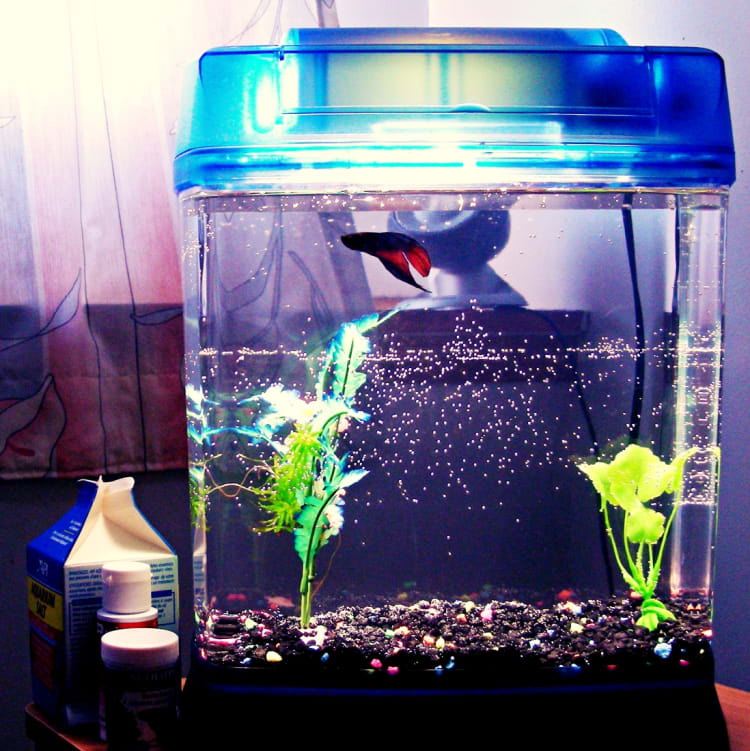
Betta fish are among the most popular freshwater fish—and for good reason. With their stunning colors and elegant fins, bettas are often a beginner’s first pick. But there’s more to betta care than just placing them in a bowl. A proper betta fish tank is essential to ensure your fish lives a long, healthy life.
In this comprehensive guide, we’ll walk you through how to set up, maintain, and care for your betta with the right tank size, equipment, and expert insights you won’t find in generic tutorials.
Table of Contents
Why the Right Betta Fish Tank Matters
A common myth is that bettas thrive in tiny bowls. In reality, these intelligent and active fish need space, clean water, and stimulation to stay healthy.
Key Reasons to Upgrade from a Bowl:
- Water quality declines fast in small, unfiltered containers.
- Lack of space leads to boredom, stress, and fin rot.
- No heater or filter means unstable conditions.
A well-designed betta fish tank promotes both physical and mental wellness, helping your betta display natural behaviors like swimming, exploring, and even building bubble nests.
What Is the Ideal Size for a Betta Fish Tank?
The minimum tank size for a single betta should be 5 gallons, though 10 gallons or more is even better.
| Tank Size | Suitable For | Pros | Cons |
|---|---|---|---|
| 1-2 gallons | Not recommended | Cheap, space-saving | Poor water quality, no space |
| 5 gallons | Minimum recommended | Easy to maintain, stable environment | Limited swimming space |
| 10 gallons | Ideal choice | More stable, room for plants & decor | Slightly more expensive |
A 5-gallon tank is manageable for beginners but provides enough room for your betta to swim, hide, and explore. If you plan to add live plants or tank mates like shrimp or snails, consider a 10-gallon betta fish tank for added space and stability.
Betta Fish Tank Essentials: What You Really Need
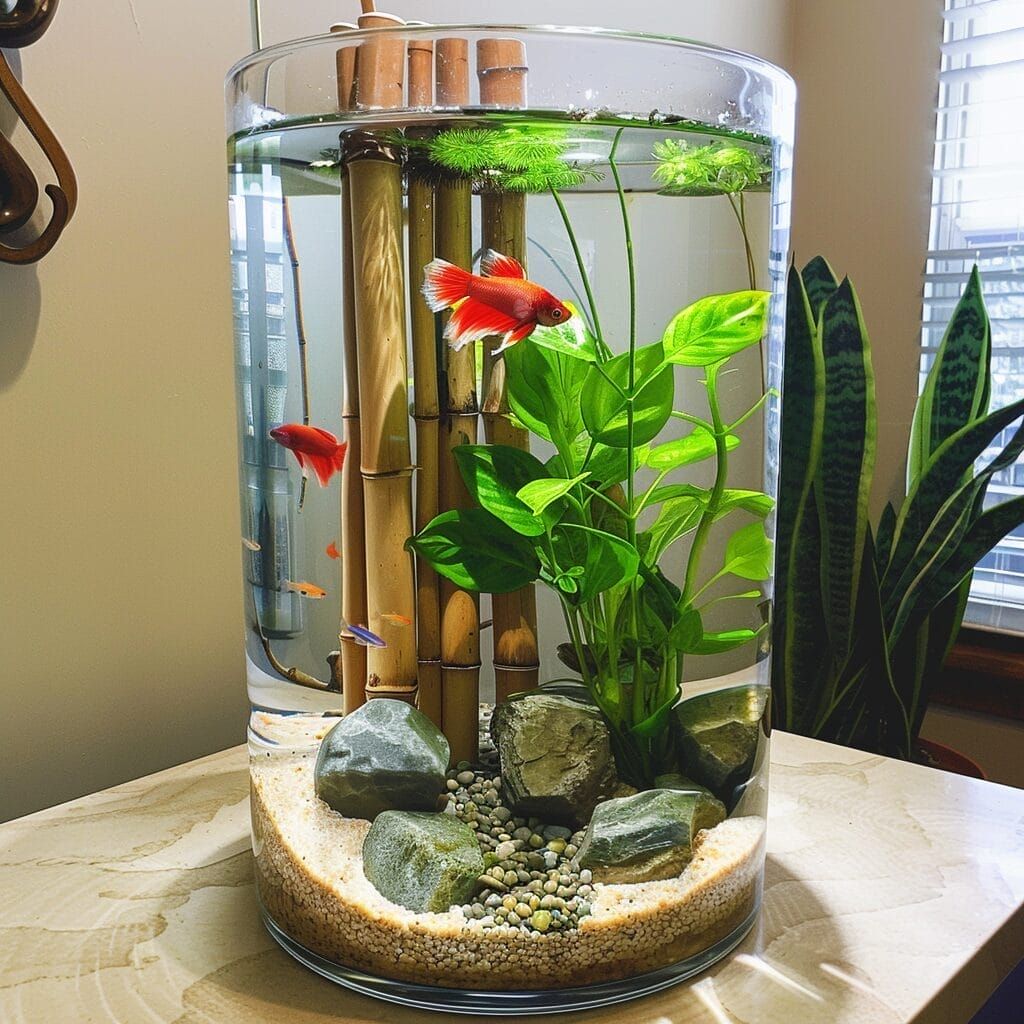
Here’s what you’ll need to properly set up a betta fish tank:
1. Aquarium (5 to 10 gallons)
Look for a tank with a secure lid—bettas can jump!
2. Heater
Bettas are tropical fish and need a water temperature of 76–82°F. A submersible heater with a thermostat keeps the temperature steady.
3. Filter
A gentle, adjustable filter helps maintain water quality. Avoid strong currents that may stress your betta.
4. Lighting
Bettas do well with regular lighting cycles. LED lights are energy-efficient and enhance tank visuals.
5. Thermometer
Monitor water temperature daily to prevent thermal shock.
6. Water Conditioner
Tap water contains chlorine and heavy metals. Use a conditioner to make it safe for your betta.
7. Substrate & Decorations
Gravel or sand works well. Add silk or live plants, caves, and hiding spots to mimic natural environments.
Setting Up Your Betta Fish Tank: Step-by-Step
Creating a healthy environment takes a bit of time and planning. Here’s a simplified setup guide:
Step 1: Clean the Tank and Equipment
Rinse everything with warm water—no soap. Place the tank on a flat, stable surface away from direct sunlight.
Step 2: Add Substrate
Add 1–2 inches of gravel or sand. Rinse it thoroughly beforehand to avoid cloudiness.
Step 3: Place Decorations and Plants
Add hiding spots like caves or driftwood. Live plants such as Anubias, Java Fern, or Amazon Sword are excellent for betta tanks.
Step 4: Install Equipment
Attach the filter and heater. Place the thermometer in an easy-to-read spot. Set the light on a timer for 8–10 hours per day.
Step 5: Fill the Tank
Fill with dechlorinated tap water. Use a plate or bowl to pour water gently and avoid disturbing the setup.
Step 6: Cycle the Tank
Before adding your betta, cycle the tank to build beneficial bacteria. This process typically takes 3–5 weeks but is crucial for a stable ecosystem.
Betta Fish Tank Maintenance Tips
Routine care keeps your betta fish tank clean and your betta happy.
Weekly Tasks:
- Change 20–30% of the water
- Test water parameters (pH, ammonia, nitrite, nitrate)
- Remove uneaten food and waste
Monthly Tasks:
- Rinse filter media in tank water (never tap water)
- Trim live plants
- Deep clean decorations if algae forms
Avoid overfeeding—bettas eat small portions. Feed high-quality pellets once or twice a day, offering only what your betta can eat in 2 minutes.
Live Plants for a Betta Fish Tank
Adding live plants not only looks beautiful but also improves water quality and provides enrichment.
Top Choices:
- Java Fern: Hardy and low maintenance
- Anubias Nana: Ideal for beginners
- Marimo Moss Balls: Reduce nitrates and offer play
- Amazon Sword: Great for larger tanks
- Floating Plants (Duckweed, Frogbit): Mimic natural cover
Live plants support a healthy nitrogen cycle and give your betta plenty of surfaces to explore and rest on.
Betta Fish Behavior: What to Expect
Understanding your betta’s personality helps you provide better care. Bettas are intelligent and can even recognize their owners.
Common Behaviors:
- Bubble Nesting: Indicates comfort and health
- Flaring: Defensive or territorial display
- Exploring: Bettas are curious and enjoy new decorations
- Resting on Leaves: Normal behavior when relaxed
If your betta is sluggish, not eating, or showing color loss, check the water quality first—it’s often the root cause.
Can Betta Fish Have Tank Mates?
Yes—but with caution. Bettas are territorial and can become aggressive.
Safe Tank Mates (for 10+ gallon tanks):
- Mystery Snails
- Nerite Snails
- Amano Shrimp
- Corydoras Catfish (in groups of 3+)
Avoid other colorful or long-finned fish like guppies or angelfish, as they can trigger aggression.
Personal Tips from Experience
After years of keeping bettas, here are some personal insights:
- Skip the bowl: I learned this the hard way. My first betta survived only a few months due to cramped, unfiltered conditions.
- Heater is non-negotiable: Temperature swings cause stress and disease.
- Every betta is different: One may tolerate shrimp, while another sees them as a snack.
- Add enrichment: Change decor layout occasionally. Bettas love novelty.
Bettas aren’t “easy” fish—they’re hardy, yes, but they thrive only when given a proper, consistent environment.
Common Mistakes to Avoid
- Skipping the nitrogen cycle
- Using sharp decorations that tear fins
- Neglecting water changes
- Overfeeding or feeding low-quality food
- Placing the tank in a high-traffic or loud area
Correct these early, and your betta fish tank becomes a peaceful, low-maintenance feature of your space.
Is a Betta Fish Tank Right for You?
If you’re seeking a vibrant pet that’s interactive, calming, and beautiful to observe, a betta fish tank is a fantastic choice. Just remember: a healthy betta tank is more than a decorative bowl—it’s a miniature aquatic ecosystem that requires care, consistency, and a bit of curiosity.
When you invest in the right setup from the beginning, you’re rewarded with a pet that can live 3–5 years (and even longer with excellent care). Whether you’re setting up a solo tank or a lush aquascape with shrimp and snails, this guide should help you build a home your betta will love.