Rabbit Houses Outdoor: Creating a Safe and Comfortable Home for Your Bunny Providing a secure and comfortable shelter is essential when keeping rabbits outside. A well-designed rabbit houses outdoor protects your furry friend from weather extremes, predators, and stress while offering a cozy retreat. This guide covers why outdoor rabbit houses are important, types available, key features to look for, and maintenance tips to keep your bunny safe and happy. Why Do Rabbits Need Outdoor Houses? Protection from weather: Shields from rain, wind, heat, and cold. Safety from predators: Secure construction prevents access from dogs, cats, foxes, and birds of prey. Comfort: Provides a quiet space where rabbits can rest and hide. Space to roam: Outdoor houses often come with attached runs for exercise. Types of Rabbit Houses Outdoor 1. Hutch with Attached Run Traditional design combining an enclosed house with a secure fenced area. Pros: Provides shelter and exercise space. Cons: Needs space and regular cleaning. 2. Weatherproof Wooden Hutches Built from treated wood with waterproof roofs and insulated walls. Pros: Durable and comfortable in various weather. Cons: Can be heavy and expensive. 3. Plastic or Resin Hutches Lightweight, easy to clean, and resistant to weather damage. Pros: Low maintenance and portable. Cons: Less natural appearance, less insulation. 4. DIY Rabbit Houses Custom-built using materials like wood pallets, plastic crates, or repurposed furniture. Pros: Customizable and budget-friendly. Cons: Requires DIY skills and time. Key Features to Look for in Outdoor Rabbit Houses Weather Resistance: Waterproof roofs, raised floors to avoid dampness. Ventilation: Proper airflow without drafts to maintain healthy air quality. Predator Proof: Secure locks, strong wire mesh, and enclosed design. Size: Enough space for your rabbit to move comfortably (at least 12 sq ft). Ease of Cleaning: Removable trays or accessible doors for hygiene. Tips for Setting Up an Outdoor Rabbit House Place the house in a shaded area to avoid overheating. Ensure the run is fully enclosed and predator-proof. Use bedding such as straw or hay to keep your rabbit warm. Regularly clean the house and run to prevent odors and illness. Check for signs of wear or damage and repair promptly. Personal Experience: Why a Good Outdoor Rabbit House Matters When I first moved my rabbits outdoors, they were restless and vulnerable in a poorly built hutch. Upgrading to a sturdy, weatherproof rabbit houses outdoor with a secure run made a big difference — they seemed more relaxed, playful, and safe. Expert Recommendations Rabbit care experts stress that outdoor housing must prioritize safety and comfort. According to Dr. Helen Marshall: “A well-designed outdoor rabbit house prevents stress and health issues by providing shelter from the elements and predators.” Comparison Table: Popular Outdoor Rabbit Houses Type Best For Material Weather Resistance Price Range Hutch with Run Exercise + shelter Wood + wire mesh Moderate to high $$-$$$ Weatherproof Wooden Durability and comfort Treated wood High $$$ Plastic/Resin Easy maintenance Plastic/Resin High $$ DIY Houses Custom fit and budget Various Varies $-$$ When to Replace or Upgrade Your Rabbit House If the structure is damaged or leaking. When your rabbit outgrows the space. If predator access becomes easy. Key Takeaways Rabbit houses outdoor provide essential shelter, safety, and comfort. Choose weather-resistant, predator-proof, and well-ventilated designs. Proper placement and maintenance ensure your bunny’s health and happiness. Conclusion Investing in the right rabbit houses outdoor creates a safe, comfortable haven for your rabbit to thrive in nature. Whether you choose a traditional hutch, a weatherproof model, or a DIY solution, the key is protection and space. With careful choice and upkeep, your rabbit will enjoy a happy outdoor life.

Rabbit Houses Outdoor: Creating a Safe and Comfortable Home for Your Bunny

Providing a secure and comfortable shelter is essential when keeping rabbits outside. A well-designed rabbit houses outdoor protects your furry friend from weather extremes, predators, and stress while offering a cozy retreat.

This guide covers why outdoor rabbit houses are important, types available, key features to look for, and maintenance tips to keep your bunny safe and happy.


Why Do Rabbits Need Outdoor Houses?

  • Protection from weather: Shields from rain, wind, heat, and cold.
  • Safety from predators: Secure construction prevents access from dogs, cats, foxes, and birds of prey.
  • Comfort: Provides a quiet space where rabbits can rest and hide.
  • Space to roam: Outdoor houses often come with attached runs for exercise.

Types of Rabbit Houses Outdoor

1. Hutch with Attached Run

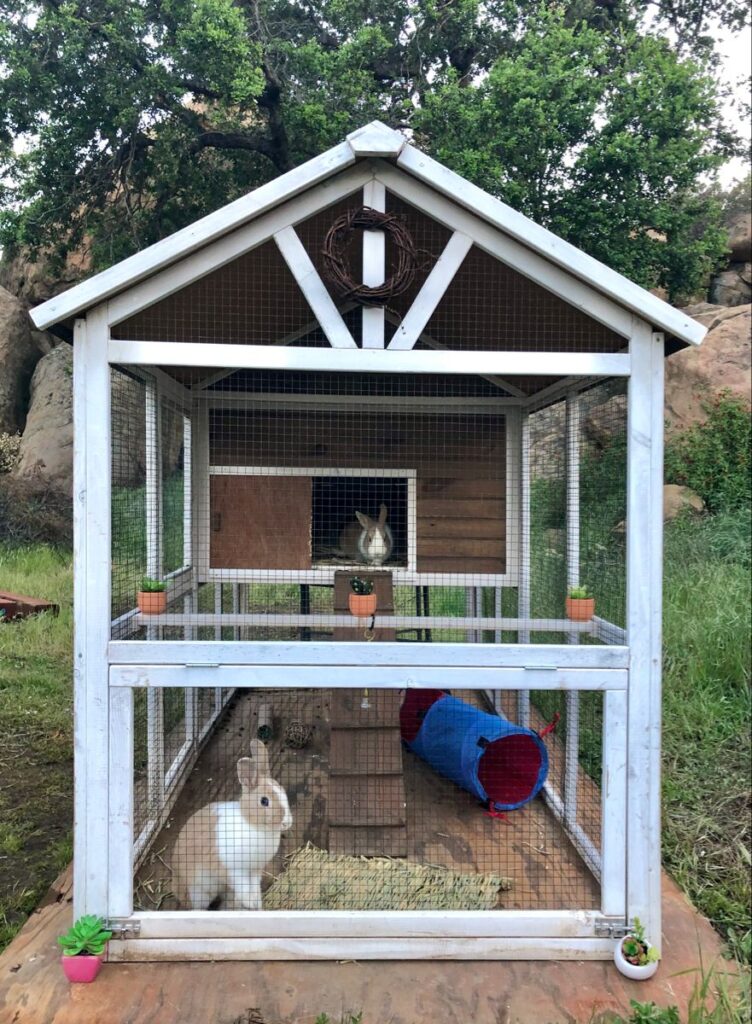
Traditional design combining an enclosed house with a secure fenced area.

  • Pros: Provides shelter and exercise space.
  • Cons: Needs space and regular cleaning.

2. Weatherproof Wooden Hutches

Built from treated wood with waterproof roofs and insulated walls.

  • Pros: Durable and comfortable in various weather.
  • Cons: Can be heavy and expensive.

3. Plastic or Resin Hutches

Lightweight, easy to clean, and resistant to weather damage.

  • Pros: Low maintenance and portable.
  • Cons: Less natural appearance, less insulation.

4. DIY Rabbit Houses

Custom-built using materials like wood pallets, plastic crates, or repurposed furniture.

  • Pros: Customizable and budget-friendly.
  • Cons: Requires DIY skills and time.

Key Features to Look for in Outdoor Rabbit Houses

  • Weather Resistance: Waterproof roofs, raised floors to avoid dampness.
  • Ventilation: Proper airflow without drafts to maintain healthy air quality.
  • Predator Proof: Secure locks, strong wire mesh, and enclosed design.
  • Size: Enough space for your rabbit to move comfortably (at least 12 sq ft).
  • Ease of Cleaning: Removable trays or accessible doors for hygiene.

Tips for Setting Up an Outdoor Rabbit House

  • Place the house in a shaded area to avoid overheating.
  • Ensure the run is fully enclosed and predator-proof.
  • Use bedding such as straw or hay to keep your rabbit warm.
  • Regularly clean the house and run to prevent odors and illness.
  • Check for signs of wear or damage and repair promptly.

Personal Experience: Why a Good Outdoor Rabbit House Matters

When I first moved my rabbits outdoors, they were restless and vulnerable in a poorly built hutch. Upgrading to a sturdy, weatherproof rabbit houses outdoor with a secure run made a big difference — they seemed more relaxed, playful, and safe.

Rabbit Houses Outdoor: Creating a Safe and Comfortable Home for Your Bunny
Providing a secure and comfortable shelter is essential when keeping rabbits outside. A well-designed rabbit houses outdoor protects your furry friend from weather extremes, predators, and stress while offering a cozy retreat.

This guide covers why outdoor rabbit houses are important, types available, key features to look for, and maintenance tips to keep your bunny safe and happy.

Why Do Rabbits Need Outdoor Houses?
Protection from weather: Shields from rain, wind, heat, and cold.

Safety from predators: Secure construction prevents access from dogs, cats, foxes, and birds of prey.

Comfort: Provides a quiet space where rabbits can rest and hide.

Space to roam: Outdoor houses often come with attached runs for exercise.

Types of Rabbit Houses Outdoor
1. Hutch with Attached Run
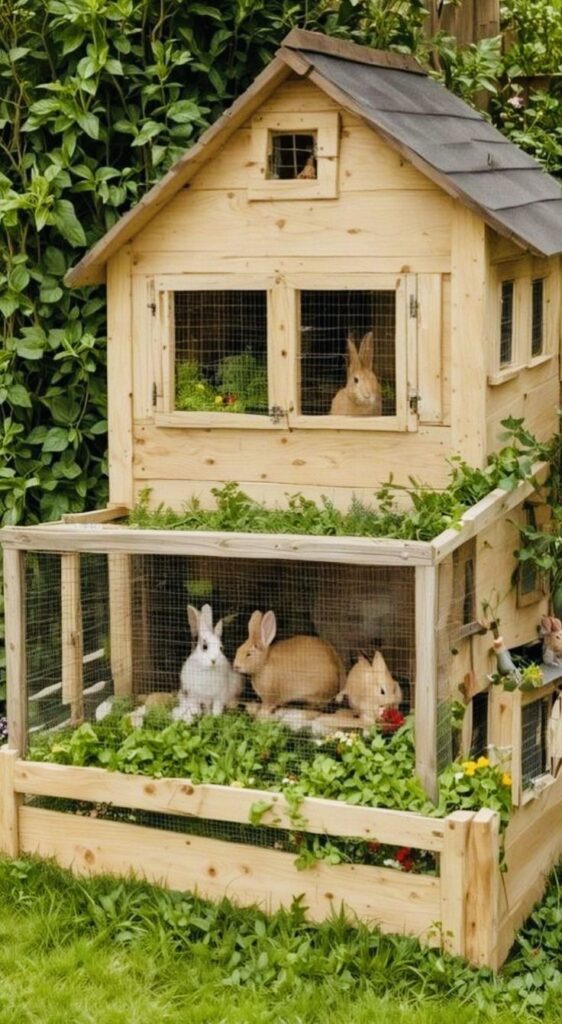
Traditional design combining an enclosed house with a secure fenced area.

Pros: Provides shelter and exercise space.

Cons: Needs space and regular cleaning.

2. Weatherproof Wooden Hutches
Built from treated wood with waterproof roofs and insulated walls.

Pros: Durable and comfortable in various weather.

Cons: Can be heavy and expensive.

3. Plastic or Resin Hutches
Lightweight, easy to clean, and resistant to weather damage.

Pros: Low maintenance and portable.

Cons: Less natural appearance, less insulation.

4. DIY Rabbit Houses
Custom-built using materials like wood pallets, plastic crates, or repurposed furniture.

Pros: Customizable and budget-friendly.

Cons: Requires DIY skills and time.

Key Features to Look for in Outdoor Rabbit Houses
Weather Resistance: Waterproof roofs, raised floors to avoid dampness.

Ventilation: Proper airflow without drafts to maintain healthy air quality.

Predator Proof: Secure locks, strong wire mesh, and enclosed design.

Size: Enough space for your rabbit to move comfortably (at least 12 sq ft).

Ease of Cleaning: Removable trays or accessible doors for hygiene.

Tips for Setting Up an Outdoor Rabbit House
Place the house in a shaded area to avoid overheating.

Ensure the run is fully enclosed and predator-proof.

Use bedding such as straw or hay to keep your rabbit warm.

Regularly clean the house and run to prevent odors and illness.

Check for signs of wear or damage and repair promptly.

Personal Experience: Why a Good Outdoor Rabbit House Matters
When I first moved my rabbits outdoors, they were restless and vulnerable in a poorly built hutch. Upgrading to a sturdy, weatherproof rabbit houses outdoor with a secure run made a big difference — they seemed more relaxed, playful, and safe.

Expert Recommendations
Rabbit care experts stress that outdoor housing must prioritize safety and comfort. According to Dr. Helen Marshall:

“A well-designed outdoor rabbit house prevents stress and health issues by providing shelter from the elements and predators.”

Comparison Table: Popular Outdoor Rabbit Houses
Type	Best For	Material	Weather Resistance	Price Range
Hutch with Run	Exercise + shelter	Wood + wire mesh	Moderate to high	$$-$$$
Weatherproof Wooden	Durability and comfort	Treated wood	High	$$$
Plastic/Resin	Easy maintenance	Plastic/Resin	High	$$
DIY Houses	Custom fit and budget	Various	Varies	$-$$

When to Replace or Upgrade Your Rabbit House
If the structure is damaged or leaking.

When your rabbit outgrows the space.

If predator access becomes easy.

Key Takeaways
Rabbit houses outdoor provide essential shelter, safety, and comfort.

Choose weather-resistant, predator-proof, and well-ventilated designs.

Proper placement and maintenance ensure your bunny’s health and happiness.

Conclusion
Investing in the right rabbit houses outdoor creates a safe, comfortable haven for your rabbit to thrive in nature. Whether you choose a traditional hutch, a weatherproof model, or a DIY solution, the key is protection and space. With careful choice and upkeep, your rabbit will enjoy a happy outdoor life.

Expert Recommendations

Rabbit care experts stress that outdoor housing must prioritize safety and comfort. According to Dr. Helen Marshall:

“A well-designed outdoor rabbit house prevents stress and health issues by providing shelter from the elements and predators.”


TypeBest ForMaterialWeather ResistancePrice Range
Hutch with RunExercise + shelterWood + wire meshModerate to high$$-$$$
Weatherproof WoodenDurability and comfortTreated woodHigh$$$
Plastic/ResinEasy maintenancePlastic/ResinHigh$$
DIY HousesCustom fit and budgetVariousVaries$-$$

When to Replace or Upgrade Your Rabbit House

  • If the structure is damaged or leaking.
  • When your rabbit outgrows the space.
  • If predator access becomes easy.

Key Takeaways

  • Rabbit houses outdoor provide essential shelter, safety, and comfort.
  • Choose weather-resistant, predator-proof, and well-ventilated designs.
  • Proper placement and maintenance ensure your bunny’s health and happiness.

Conclusion

Investing in the right rabbit houses outdoor creates a safe, comfortable haven for your rabbit to thrive in nature. Whether you choose a traditional hutch, a weatherproof model, or a DIY solution, the key is protection and space. With careful choice and upkeep, your rabbit will enjoy a happy outdoor life.

Comments

No comments yet. Why don’t you start the discussion?

Leave a Reply

Your email address will not be published. Required fields are marked *