Introduction – Why Choosing the Best Cat Brush Matters
Every cat owner knows that grooming isn’t just about making your kitty look cute—it’s about keeping them healthy and comfortable. Cats naturally groom themselves, but they still need help, especially when it comes to removing excess fur, preventing mats, and keeping their skin in great shape.
Choosing the best cat brush isn’t a one-size-fits-all situation. The right brush depends on your cat’s fur length, texture, and sensitivity. In this guide, we’ll explore different types of cat brushes, what makes them effective, and which one might be perfect for your furry friend.
Table of Contents
Benefits of Using the Best Cat Brush
Regular grooming with a high-quality brush can make a huge difference in your cat’s health and happiness:
| Benefit | Why It Matters |
|---|---|
| Reduces Shedding | Keeps loose fur off your furniture and clothes |
| Prevents Hairballs | Less loose fur means fewer hairballs when cats groom themselves |
| Improves Skin Health | Stimulates blood circulation and distributes natural oils |
| Prevents Matting | Especially important for long-haired breeds |
| Bonding Time | Grooming sessions strengthen your relationship with your cat |
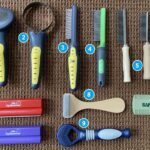
Types of Cat Brushes and Their Uses
Not all cat brushes are created equal. Here are the main types and who they’re best for:
1. Slicker Brush
- Best for: Long-haired cats or cats prone to tangles
- Features: Fine, short wires close together
- Pros: Great for removing loose fur and untangling mats
- Cons: Can be too harsh for cats with sensitive skin if used too firmly
2. Bristle Brush
- Best for: Short-haired cats
- Features: Soft bristles that remove loose hair and dust
- Pros: Gentle and ideal for daily grooming
- Cons: Not effective for deep mats
3. Grooming Glove
- Best for: Cats who dislike traditional brushes
- Features: Rubber tips on a glove
- Pros: Feels like petting, great for nervous cats
- Cons: Not as effective for thick mats
4. De-Shedding Tool
- Best for: Heavy shedders like Maine Coons or Persians
- Features: Metal edge designed to reach undercoats
- Pros: Dramatically reduces shedding
- Cons: Should be used occasionally to avoid skin irritation
Top Tips for Using the Best Cat Brush
- Start Slowly: If your cat isn’t used to brushing, begin with short sessions.
- Brush in the Direction of Hair Growth: This prevents discomfort.
- Be Gentle: Apply light pressure to avoid irritating the skin.
- Reward Your Cat: Offer treats to create positive associations.
- Check for Skin Issues: Look out for dryness, redness, or bumps while grooming.
Best Cat Brush Recommendations
| Brush Type | Best For | Key Features |
|---|---|---|
| Slicker Brush | Long-haired breeds | Removes mats and tangles |
| Bristle Brush | Short-haired cats | Soft and gentle |
| Grooming Glove | Nervous cats | Comfortable, petting-like experience |
| De-Shedding Tool | Heavy shedders | Removes loose undercoat hair |
Conclusion – A Happier, Healthier Cat
Investing in the best cat brush means more than keeping your feline looking fabulous—it’s about their overall comfort, health, and well-being. By selecting the right brush for your cat’s coat type and using it regularly, you can prevent shedding problems, reduce hairballs, and make grooming an enjoyable bonding experience.
Your cat may not thank you in words, but their shiny coat, happy purrs, and extra snuggles will say it all.