Skip to content
Pet Products Pet Products
  • Home
  • About us
  • Contact us
  • Cookies Policy
  • Privacy Policy
  • Terms and Conditions

Posts by Sameel Khan

About Sameel Khan
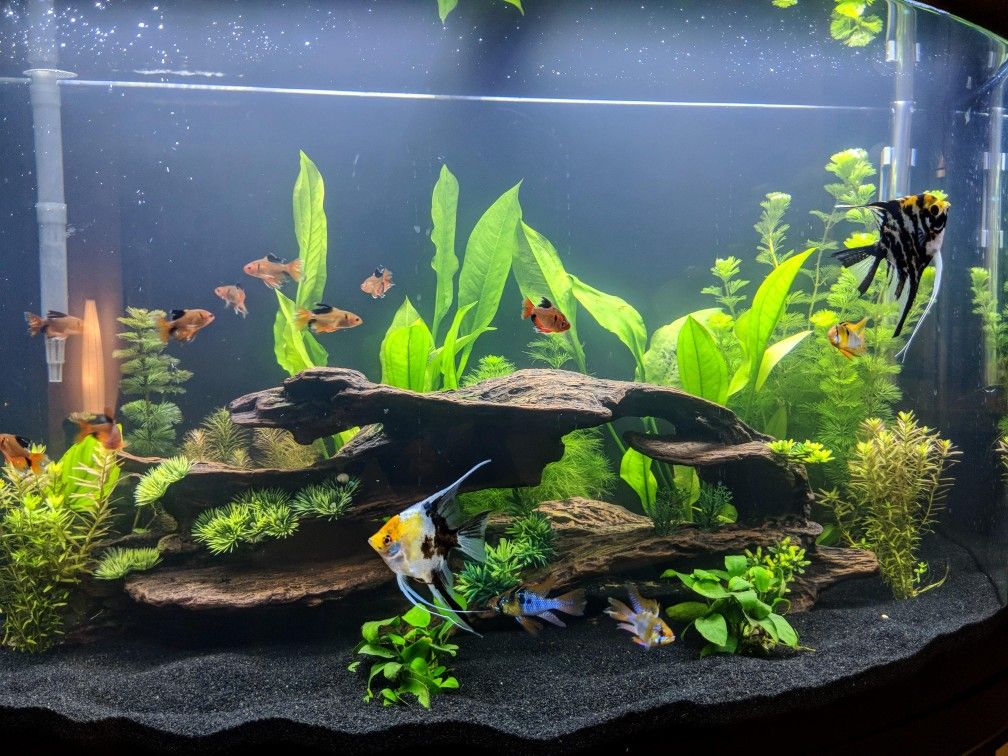
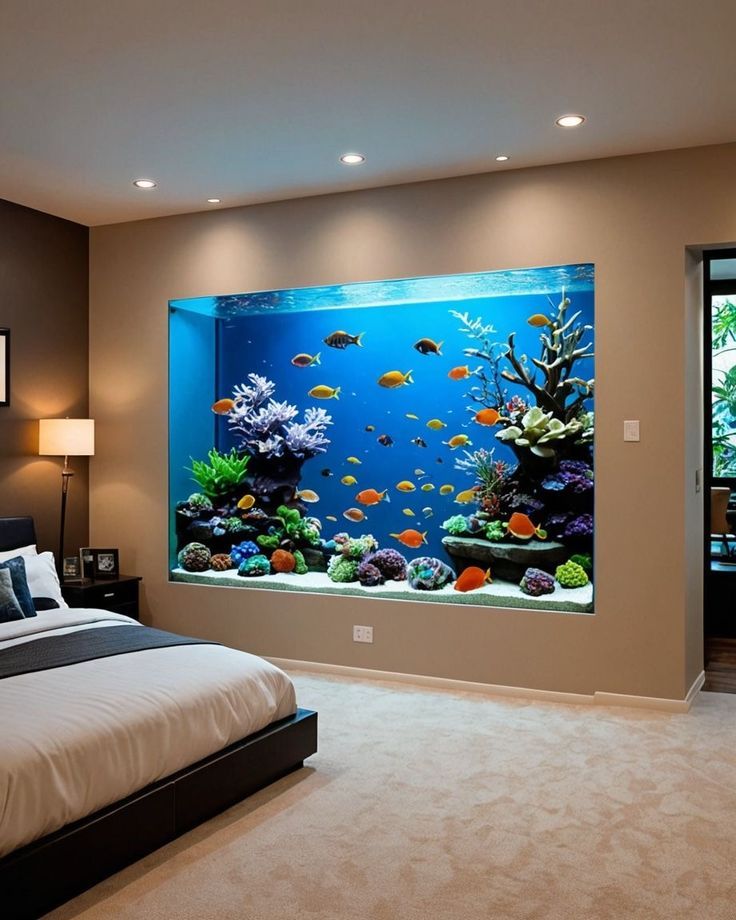
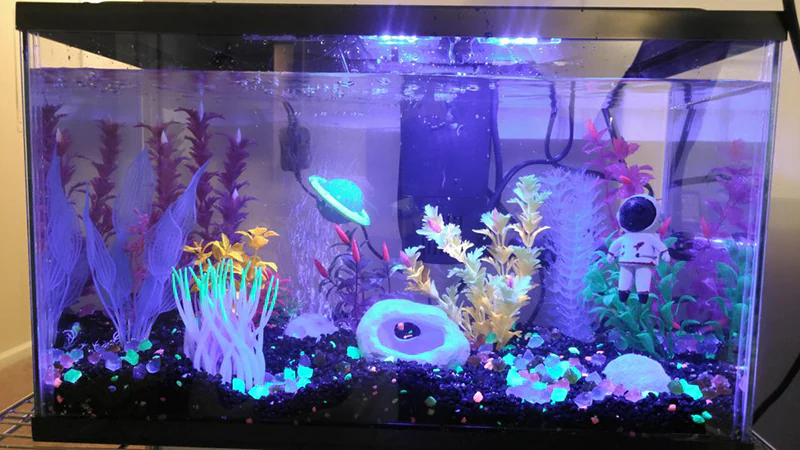
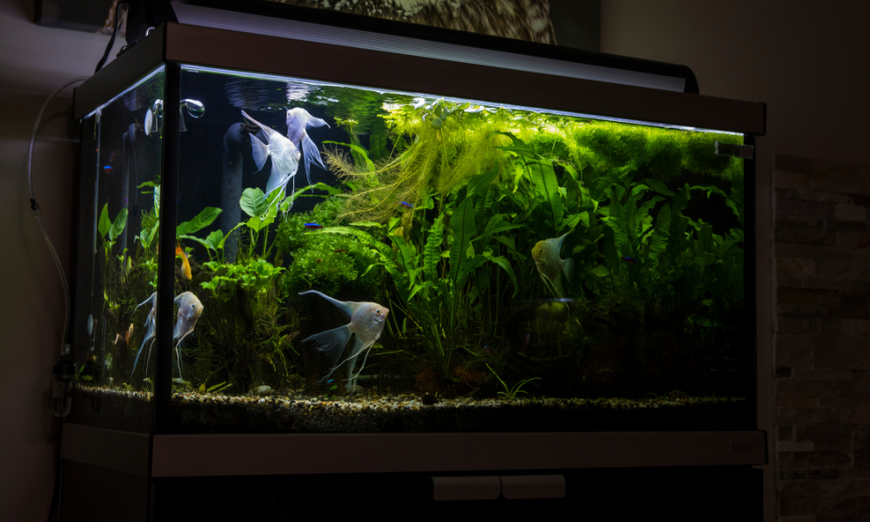
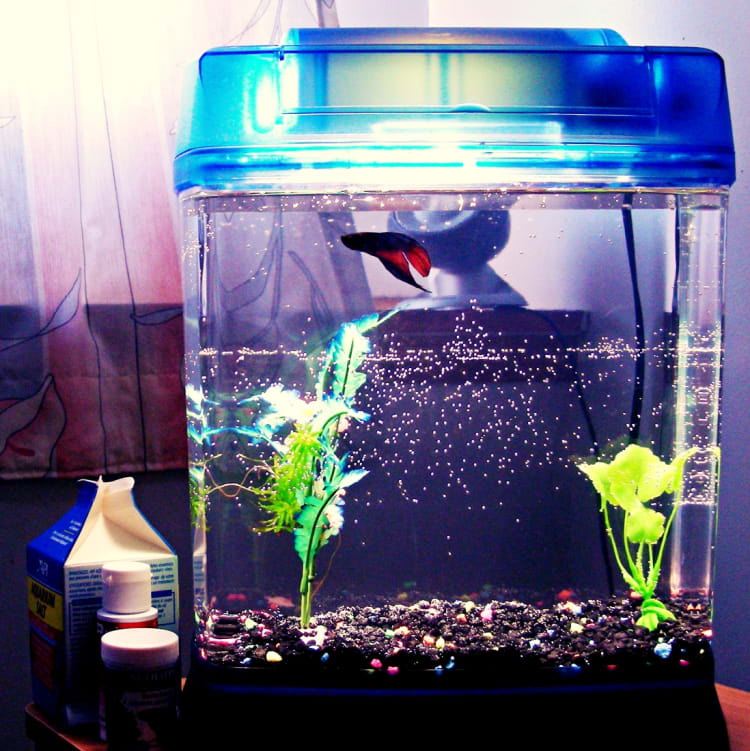
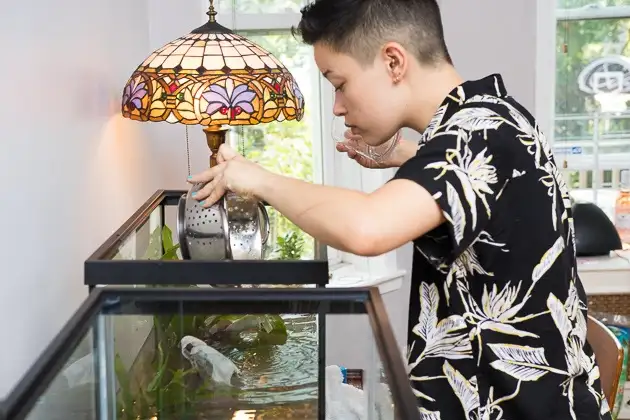
Have you ever walked into a room and been instantly drawn to the calm movement of colorful fish gliding through crystal-clear water? That’s the quiet magic an aquarium fish tank for home can bring. Aquariums do more than just beautify a space—they create a peaceful environment, spark joy, and provide a rewarding hobby that brings both learning and relaxation. But with so many options out there, where do you even begin? In this complete guide, we’ll walk you through everything you need to know about choosing, setting up, and maintaining an aquarium fish tank for your home. Whether you live in a small apartment or a spacious house, there's a perfect fish tank waiting for you. Why You Should Have an Aquarium Fish Tank at Home Before we dive into types and setups, let’s take a moment to talk about why having an aquarium at home is such a good idea. 1. Stress Relief Numerous studies show that watching fish reduces anxiety, lowers heart rate, and creates a sense of calm. 2. Decorative Appeal Aquariums add a living, moving element to any space—serving as a centerpiece or even a subtle background feature. 3. Educational for Kids and Adults Fish tanks offer daily lessons in biology, ecosystems, water chemistry, and responsibility. 4. Customizable for Any Space Whether you have a corner to fill or a wall to decorate, there’s a tank that fits. Choosing the Right Aquarium Fish Tank for Home Getting the right tank depends on a few key factors—space, budget, experience, and style. Let’s explore the main types of tanks and who they’re best for. 1. Standard Glass or Acrylic Tank Available in all sizes Simple, clear design Ideal for beginners Pros: Easy to find, affordable, and fits any room Cons: Requires a stand or solid surface 2. Corner Aquarium Fits snugly into corners Great for small spaces Unique panoramic view Best for: Apartments, bedrooms, or offices 3. Wall-Mounted or In-Wall Tank Built into or mounted on the wall High-end, modern look Best for: Homeowners looking for a sleek aesthetic Note: Usually requires professional installation 4. Nano or Desktop Tanks Compact tanks under 10 gallons Ideal for desktops or shelves Great for: Bettas, shrimp, or one small fish Caution: Smaller tanks are more sensitive to changes in temperature or water quality 5. Custom-Built Tanks Tailored to your space and design preferences Perfect for: Large homes, luxury designs, or unique placements Best Locations for an Aquarium Fish Tank at Home Placement plays a major role in the health of your fish and the overall appearance of the tank. Do: Place near a power outlet Ensure it’s on a flat, stable surface Keep away from direct sunlight (prevents algae growth) Choose a visible spot where you can enjoy it daily Don’t: Place next to windows or heaters Put it in high-traffic areas where it can get bumped Install on unstable or unlevel furniture What Size Aquarium Should You Get? Size affects everything: how many fish you can keep, how stable the water stays, and how easy the tank is to maintain. Tank Size Ideal For Notes 5–10 gallons Beginners, Betta tanks Easy to manage, good for one fish 20–30 gallons Community tanks More stable, allows small groups of fish 40+ gallons Advanced setups Requires more space and support 75+ gallons Saltwater or showpiece tanks Ideal for experienced aquarists Tip: Bigger is often better. Larger tanks are easier to maintain because they offer more stable conditions. Equipment You’ll Need An aquarium fish tank for home isn’t just a glass box with water. It needs the right equipment to function smoothly. Basic Essentials: Filter: Keeps water clean and oxygenated Heater (for tropical fish): Maintains stable water temperature Lighting: Supports fish health and plant growth Gravel or Substrate: Adds visual appeal and anchors decorations Thermometer: Lets you monitor temperature daily Water Conditioner: Removes chlorine from tap water Optional but useful: Air pump and air stone Automatic feeder Background poster Aquarium test kit Setting Up Your Aquarium Fish Tank for Home Setting up an aquarium is exciting but requires patience. Follow these steps to start right: Step 1: Rinse Everything Always rinse your gravel, decorations, and tank with plain water (no soap). Step 2: Add Substrate and Decorations Layer your gravel first, then add decorations like rocks, driftwood, and artificial or live plants. Step 3: Install Equipment Position your filter, heater, and thermometer, but don’t plug them in yet. Step 4: Fill with Water Use room-temperature water. Add a dechlorinator before turning on your equipment. Step 5: Cycle the Tank Let the tank run for at least 1-2 weeks to establish beneficial bacteria before adding fish. Best Fish for a Home Aquarium Choose fish that match your tank size and maintenance preference. For Small Tanks (5–10 gallons): Betta fish Guppies Shrimp Neon tetras For Medium Tanks (20–40 gallons): Mollies Platies Cory catfish Zebra danios For Large Tanks (50+ gallons): Angelfish Gouramis Rainbowfish Clown loaches Avoid mixing aggressive and peaceful species. Always research compatibility before stocking. Decoration Ideas to Personalize Your Tank Your aquarium fish tank for home should match your personal style. Nature-Inspired: Driftwood River rocks Live plants Themed: Pirate shipwreck Castle ruins Space or fantasy decor Minimalist: White sand Bonsai driftwood Simple background Tip: Always use aquarium-safe materials. Avoid painted items or anything with sharp edges. Routine Maintenance Tips A clean tank is a healthy tank. Here’s what you should do: Daily: Check fish behavior Monitor temperature Remove uneaten food Weekly: Change 10–20% of the water Test pH and ammonia levels Clean glass with an algae scraper Monthly: Rinse filter media in tank water Deep-clean decorations Check equipment for wear Common Mistakes to Avoid Even seasoned fishkeepers make these errors: Skipping the cycling process Overfeeding (causes cloudy water and ammonia spikes) Overstocking (more fish = more waste) Inconsistent maintenance Using tap water without conditioner By avoiding these mistakes, you’ll give your fish a healthier, happier home. Final Thoughts: A Beautiful Aquarium Starts with the Right Choices Setting up an aquarium fish tank for home is a journey that combines creativity, care, and curiosity. Whether you’re looking for a small desk companion or a grand aquatic centerpiece, the right setup can bring tranquility and joy into your space. Remember: Pick the right size and type for your needs Place it where it’s both safe and visible Cycle before adding fish Keep it clean and consistent Once your tank is up and running, you’ll not only be watching fish—you’ll be watching your own little world come to life.
Posted inBlog

Aquarium Fish Tank for Home: Everything You Need to Know to Get Started

Have you ever walked into a room and been instantly drawn to the calm movement of colorful fish gliding through crystal-clear water? That’s the quiet magic an aquarium fish tank…
Posted by Sameel Khan August 6, 2025
When setting up an aquarium, many people focus on the tank, fish, and decorations—but overlook one crucial component: gravel for fish tank setups. At first glance, gravel might seem purely decorative, but it plays a far bigger role. It influences your tank’s water chemistry, supports beneficial bacteria, anchors plants, and shapes the entire look of your aquatic world. Whether you’re a beginner or a hobbyist looking to upgrade, this guide walks you through everything you need to know about fish tank gravel—from choosing the right type to maintaining it properly. Why Gravel Matters in Your Fish Tank Gravel does a lot more than make your tank look pretty. It serves as the foundation of your aquarium’s ecosystem. Key Benefits of Using Gravel: Biological Filtration: Gravel houses beneficial bacteria that break down fish waste and uneaten food. Aesthetic Appeal: Available in natural and vibrant colors to match your tank’s theme. Anchoring Plants: Essential for securing live or artificial plants. Comfort for Bottom Dwellers: Fish like corydoras and loaches love to sift and burrow. Prevents Cloudy Water: Unlike bare-bottom tanks, gravel traps debris at the bottom, reducing particles floating around. Types of Gravel for Fish Tank Setups Gravel isn’t one-size-fits-all. The right type depends on your tank type, fish species, and whether you have live plants. 1. Standard Aquarium Gravel Medium-sized, rounded stones Comes in natural or bright colors Easy to clean and ideal for most freshwater tanks Best for: Beginner tanks, artificial plant setups, community fish. 2. Pea Gravel Slightly larger than standard gravel Natural-looking and smooth Less likely to trap waste Best for: Goldfish tanks or tanks with larger species. 3. Gravel for Planted Tanks (Nutrient-Rich) Specially designed with nutrients like iron and potassium Promotes healthy root growth for live plants Best for: Aquascaped tanks or tanks with rooted plants like Amazon swords. 4. Sand vs. Gravel While not gravel, sand is often compared. Feature Gravel Sand Cleaning Easier Tricky—can compact Bacteria Growth Excellent Moderate Fish Compatibility Most species Best for bottom-feeders Aesthetic Rocky, colorful Soft, smooth look Tip: You can even mix fine gravel with sand for a hybrid look. Choosing the Right Gravel for Fish Tank Before you purchase a bag of gravel, consider the following factors: 1. Fish Type Some fish prefer finer gravel, others do better with larger grains. Bottom-dwellers (loaches, corydoras): Soft, smooth gravel to protect their barbels. Goldfish: Larger gravel reduces the risk of accidental swallowing. Planted tanks: Fine gravel or plant substrate blends are best. 2. Tank Size Smaller tanks look better with finer gravel, while large tanks can handle chunkier varieties. 3. Color Choose natural tones (browns, grays) for a realistic look or vibrant colors for fun, kid-friendly tanks. Note: Bright colors can reflect light and stress some fish, especially in low-light setups. 4. Material Stick to aquarium-safe gravel only—avoid using gravel from construction sites or outdoor landscaping unless properly treated. How Much Gravel Do You Need? A good rule of thumb is 1 to 2 pounds of gravel per gallon of water. For example: 10-gallon tank: 10–20 lbs of gravel 20-gallon tank: 20–40 lbs Depth Tip: 1 to 2 inches is ideal for fish-only tanks. Go up to 3 inches if planting live flora. How to Prepare Gravel Before Adding to Your Tank Even if labeled "pre-washed," you should always rinse gravel to remove dust or debris. Steps: Pour gravel into a large bucket. Rinse with cold water. Swirl with your hand until the water runs clear. Drain completely before placing it in your tank. Never use soap or chemicals—they’re toxic to fish. Decorating with Gravel for Fish Tank Flair Gravel doesn’t have to be plain or boring. Use it to enhance your overall tank design: Design Ideas: Layered Look: Combine two colors (dark back, light front) for depth. Pathways: Use light gravel to create a “river” through darker substrate. Gravel & Stones: Pair with natural rocks for a mountain-scape feel. Color Blocking: Use colored gravel in sections for a bold, artistic look. Keep decorations stable so fish can’t move or knock them over. Maintenance Tips for Gravel To keep your tank healthy and clean, maintain your gravel regularly. Weekly: Use a gravel vacuum to remove waste and food particles. Stir gravel gently to prevent gas build-up (especially in deeper beds). Monthly: Deep-clean one-third of the gravel using tank water. Tip: Never clean all gravel at once—preserve beneficial bacteria. Common Mistakes to Avoid with Gravel Let’s help you avoid the biggest pitfalls: Skipping the rinse: Dirty gravel clouds the tank. Overstocking substrate: Too deep = trapped waste and harmful gases. Wrong type for your fish: Sharp gravel can harm sensitive species. Ignoring water flow: Fine gravel may clog filters if too loose. Live Plants and Gravel: Do They Work Together? Absolutely! But not all gravel is plant-friendly. For rooted plants: Choose fine, nutrient-rich gravel. Consider mixing with plant-specific substrates or adding root tabs. Anchor plants properly to prevent them from floating up. Best plants for gravel tanks: Java fern Anubias Amazon sword Vallisneria These species don’t need deep planting and thrive with minimal substrate. Gravel vs. Bare-Bottom Tanks Some aquarists choose bare-bottom tanks for easy cleaning, especially in breeding or hospital tanks. Gravel Pros: Looks natural and vibrant Supports bacteria and plant life Enhances fish behavior Bare-Bottom Pros: Easy to clean and spot waste Ideal for breeding tanks or temporary setups Ultimately, using gravel adds aesthetic appeal and biological benefits—but it comes with a bit more maintenance. Final Thoughts: Setting the Foundation Right Choosing the right gravel for fish tank setups is about much more than picking a color. It’s about creating a healthy environment for your fish, designing a visually appealing tank, and supporting beneficial bacteria and plants. With the right gravel, you lay the groundwork—literally—for a thriving aquarium. From functional support to visual impact, it’s one of the most important decisions in your tank-building journey. Take your time. Choose wisely. Rinse well. And enjoy watching your aquatic world come to life.
Posted inBlog

Gravel for Fish Tank: Guide to Choosing the Best Substrate

When setting up an aquarium, many people focus on the tank, fish, and decorations—but overlook one crucial component: gravel for fish tank setups. At first glance, gravel might seem purely…
Posted by Sameel Khan August 5, 2025
aquarium fish tank decorations​
Posted inBlog

Aquarium Fish Tank Decorations: Crafting the Perfect Underwater World

Ever looked at an aquarium and felt instantly calm? That feeling often goes beyond the fish—it’s the atmosphere, the colors, and the design working together in harmony. That’s the power…
Posted by Sameel Khan August 4, 2025
corner fish tank
Posted inBlog

Corner Fish Tank: The Smart Solution for Stylish Spaces

Imagine walking into a room and catching a glimpse of gentle bubbles rising in a beautifully lit glass corner. That calming movement of fish gliding through water not only draws…
Posted by Sameel Khan August 3, 2025
fish tank filters​
Posted inBlog

Fish Tank Filters: The Heart of a Healthy Aquarium

When we think of aquariums, our minds usually jump to vibrant fish, bubbling plants, and peaceful water. But behind that serene setup is a silent worker—the fish tank filter—doing all…
Posted by Sameel Khan August 2, 2025
saltwater fish tank​
Posted inBlog

Saltwater Fish Tank: A Complete Beginner’s Guide to Marine Aquariums

Introduction: Why a Saltwater Fish Tank Is Worth It If you’ve ever walked past a glowing marine aquarium filled with vibrant coral reefs and exotic fish, you know the magic…
Posted by Sameel Khan August 2, 2025
fish tank decorations​
Posted inBlog

Fish Tank Decorations Guide: Safe, Stylish, and Creative Ideas for Every Aquarium

Decorating an aquarium isn’t just about aesthetics—it’s about creating a healthy and enriching environment for your aquatic pets. The right fish tank decorations offer more than visual appeal; they provide…
Posted by Sameel Khan August 2, 2025
fish tank stand
Posted inBlog

Fish Tank Stand Guide: How to Choose the Best Stand for Your Aquarium

A fish tank is more than just a glass box—it's a thriving ecosystem that requires a stable foundation. Whether you're setting up a 10-gallon betta tank or a 55-gallon community…
Posted by Sameel Khan August 1, 2025
betta fish tank​
Posted inBlog

Betta Fish Tank Guide: Everything You Need for a Thriving Betta

Betta fish are among the most popular freshwater fish—and for good reason. With their stunning colors and elegant fins, bettas are often a beginner's first pick. But there's more to…
Posted by Sameel Khan August 1, 2025
10 gallon fish tank
Posted inBlog

The Complete Guide to a 10 Gallon Fish Tank: Setup, Stocking & Success

A 10 gallon fish tank might seem small at first glance, but don’t be fooled—it offers an exciting challenge for aquarists of all levels. Whether you're a beginner looking for…
Posted by Sameel Khan August 1, 2025

Posts pagination

Previous page 1 … 3 4 5 6 7 8 Next page

Recent Posts

  • Dog Pampers: A Helpful Solution for Hygiene and Comfort
  • Slow Feeder Dog Bowl: Why It’s a Game-Changer for Your Dog’s Health
  • Dog Man Toys: The Ultimate Guide to Durable and Fun Dog Toys
  • Best Lint Brush for Clothes: Your Go-To Guide for Spotless Apparel
  • Washable Dog Pee Pads: A Smart Solution for Clean, Comfortable Homes

Recent Comments

  1. Cat Eye Sunglasses: Timeless Glamour with a Modern Twist on Cat Diapers: Everything You Need to Know Before Buying One
Copyright 2026 — Pet Products. All rights reserved.
Scroll to Top