Skip to content
Pet Products Pet Products
  • Home
  • About us
  • Contact us
  • Cookies Policy
  • Privacy Policy
  • Terms and Conditions

Posts by Sameel Khan

About Sameel Khan
cow bathroom decor​
Posted inBlog

Cow Bathroom Decor – Bringing Rustic Farmhouse Charm to Your Home

If you’re a fan of the cozy, rustic, and playful vibe that farmhouse style brings, cow bathroom decor is the perfect way to add personality to your space. From wall…
Posted by Sameel Khan August 19, 2025
cow skull decor​
Posted inBlog

Cow Skull Decor: Timeless Rustic Charm for Modern Homes

When it comes to home décor, there's something uniquely captivating about pieces that tell a story. Cow skull decor is one such element that blends rustic charm, symbolism, and artistic…
Posted by Sameel Khan August 18, 2025
Inflatable Costumes Cow: Udderly Hilarious and Crowd-Pleasing Fun! Looking for a costume that will turn heads, create laughs, and bring instant joy wherever you go? Enter the world of inflatable costumes cow – the perfect mix of humor, comfort, and creativity. Whether you're attending a costume party, shooting funny content, or just in the mood to moo-ve with flair, an inflatable cow costume is your golden ticket. In this guide, we'll explore everything from types of cow inflatable costumes to where to buy, how to wear them, safety tips, and fun ideas you might not have thought of. Let’s milk this trend to the max! Why Choose an Inflatable Cow Costume? Inflatable cow costumes have exploded in popularity for good reasons: Eye-catching and fun – You can’t be ignored when you walk in wearing a giant puffy cow suit. Easy to wear – Most come with built-in battery-operated fans. All-ages appeal – Great for kids, teens, and adults. Social media gold – Ideal for TikTok, Instagram, or YouTube skits. Event-ready – Perfect for birthdays, parades, Halloween, office pranks, and mascot roles. Types of Inflatable Cow Costumes There are several fun variants available, depending on your personality and the vibe you're going for. Type Description Best For Classic Cow Black and white Holstein-style with udders. Parties, school events, Halloween Riding Cow Makes it look like you're riding a cow. Comedy skits, TikTok, pranks Baby Cow Suit Cute and mini version for toddlers. Family matching costumes Pink Cow A fun twist with pink and white design. Gender reveal parties, funny social content Cowboy Cow Cow wearing a cowboy hat or sheriff belt. Western-themed events, rodeos Features to Look For Choosing the best inflatable costumes cow requires more than just the look. Here’s what to consider: 1. Material Quality Look for durable polyester or waterproof nylon. Reinforced seams prevent air leakage during movement. 2. Fan Efficiency Battery-operated fans (usually AA or USB rechargeable). Should fully inflate in 30-60 seconds. 3. Ventilation & Comfort Breathable mesh near the face. Internal straps to help the costume stay upright. 4. Size & Fit Most are one-size-fits-all for adults (150cm–190cm). Kids’ sizes vary—check the height/weight guidelines. 5. Ease of Cleaning Wipe-clean materials are a must after long events or outdoor wear. How to Wear an Inflatable Cow Costume Wearing one is easier than you think: Step into the costume like a jumpsuit. Zip or secure the suit completely. Turn on the fan – Wait 30-60 seconds. Adjust internal straps if available for better fit. Walk slowly – Be mindful of your visibility and mobility. Stay hydrated – These suits can get warm inside. Where to Use an Inflatable Cow Costume You don’t need to wait for Halloween. Cow costumes are perfect for: Birthday parties – Especially farm or barnyard-themed. Parades and charity runs – You’ll stand out in the crowd. Social media videos – Think dances, skits, or funny challenges. Pranks – Surprise coworkers, friends, or even strangers (ethically, of course). School plays or mascot roles – An instant hit with kids. Gender reveals – Pink or blue cows are trending. Cow Costume Care Tips To make your costume last longer: Don’t overinflate – Follow the fan’s guide. Avoid sharp objects – A tear ruins the inflation. Wipe after use – Sweat and dirt build-up can smell. Store in a dry area – Avoid mold or mildew. Remove batteries when storing – Prevents corrosion. Best Places to Buy Inflatable Cow Costumes Some top options include: Amazon – Great variety, fast shipping. Party City – In-store or online options. Etsy – Custom and handmade styles. Walmart/Target – Budget-friendly choices. AliExpress/Shein – Cheap, but watch delivery times. DIY Cow Costume vs. Inflatable: Why Inflatable Wins While a DIY cow costume might seem fun, here’s why inflatable is better: Feature DIY Costume Inflatable Costume Setup Time Long 1 minute Humor Moderate High Mobility Better Slightly restricted Comfort Can vary Surprisingly comfy Crowd Reaction Good Amazing Reusability Lower High, if stored well Cow Costume Party Theme Ideas Planning a party? Make it a "Cow-medy Night" or a "Barnyard Bash." Include: Cow-print decor Moo-licious snacks (milkshakes, cupcakes, etc.) Cow dance challenges Costume contests with prizes Encourage friends to join in the fun with other inflatable animals like pigs, chickens, or even a giant farmer! FAQs: Inflatable Costumes Cow Q1: Can kids wear inflatable cow costumes? Yes. Many brands offer child sizes, but always check weight and height compatibility. Q2: Are these costumes noisy? They can make a low hum due to the fan, but it’s barely noticeable in noisy settings like parties. Q3: How long do batteries last? Most fans last 4–6 hours on AA batteries. Rechargeable packs may extend time. Q4: Can I sit in an inflatable cow costume? It’s not recommended while inflated, but you can deflate briefly to sit down comfortably. Q5: Is it washable? You can’t toss it in a washing machine. Spot clean with a damp cloth only. Final Thoughts An inflatable costumes cow isn’t just a quirky outfit—it’s an experience. From bringing joy to kids to generating viral videos, it’s a surprisingly versatile pick. Just slip in, inflate, and become the life of the party! If you're ready to udderly impress, grab your inflatable cow costume today and start moo-ving toward the fun!
Posted inBlog

Inflatable Costumes Cow: Udderly Hilarious and Crowd-Pleasing Fun!

Looking for a costume that will turn heads, create laughs, and bring instant joy wherever you go? Enter the world of inflatable costumes cow – the perfect mix of humor,…
Posted by Sameel Khan August 17, 2025
LED Lighting Fish Tank: A Complete Guide for Aquarists Lighting is more than just decoration in a fish tank — it's essential for the health of your fish, the growth of plants, and the overall visual appeal of your aquarium. In recent years, LED lighting for fish tanks has become the top choice among aquarists. But why is it so popular? This guide will walk you through everything you need to know: the benefits of LED lighting, how to choose the right one, and the best setup ideas to brighten your aquatic world. Why Choose LED Lighting for Your Fish Tank? LED (Light Emitting Diode) technology has taken over the aquarium world for several good reasons: 1. Energy Efficiency LED lights consume significantly less electricity than traditional fluorescent or incandescent bulbs. They are ideal for long-term use and help reduce your energy bill. 2. Long Lifespan Most LED lights last up to 50,000 hours, meaning you won’t have to replace them often. That’s years of reliable lighting. 3. Adjustable Spectrum Modern LED lights offer adjustable spectrums — from daylight to moonlight. You can mimic the natural day-night cycle to reduce stress in your fish. 4. Low Heat Output Unlike traditional bulbs, LED lights emit very little heat. This keeps your tank from overheating and helps maintain a stable water temperature. 5. Color Customization LEDs come in various colors and intensities, helping you highlight the vivid colors of your fish and décor. Types of LED Lights for Aquariums Choosing the right LED lighting for fish tank depends on the type of tank and what lives inside it. Let’s look at different types: LED Type Best For Features Standard White LED Freshwater tanks Balanced brightness and low heat RGB LED Community tanks or display tanks Customizable color effects Full Spectrum LED Planted tanks Promotes plant growth Actinic Blue LED Marine/saltwater tanks Enhances coral fluorescence Adjustable Timer LEDs All types Set day-night cycle automatically Best LED Lighting Fish Tank Options Here are some top-rated LED lighting systems for fish tanks, suitable for both beginners and advanced aquarists: 1. NICREW ClassicLED Aquarium Light Affordable and reliable Ideal for freshwater tanks Easy to install with extendable brackets 2. Finnex Planted+ 24/7 CRV Best for planted tanks Offers a full spectrum and 24/7 auto cycle Excellent PAR for plant growth 3. Hygger Aquarium LED Light Sleek design with dimmable settings Comes in multiple sizes Great for mid-sized tropical tanks 4. Current USA Satellite Plus Pro High-end with full customization Bluetooth control Vibrant effects like storm, cloud, and sunrise How to Choose the Best LED Lighting for Your Aquarium When picking LED lighting for fish tank, consider the following factors: ✓ Tank Size Match the light to the length of your tank. Some LEDs are extendable, others come in fixed sizes. ✓ Aquarium Type Planted tanks need stronger, full-spectrum lighting. Fish-only tanks can manage with standard white LEDs. ✓ Light Intensity (PAR Value) The higher the PAR (Photosynthetically Active Radiation), the better for plant and coral growth. Most fish-only tanks don’t need high PAR. ✓ Programmability Do you want automatic sunrise/sunset? Some LEDs offer timers and remote control options for convenience. ✓ Budget You can find great LED lights under $30, but advanced features may cost $100 or more. Pick what fits your needs. Benefits of LED Lights for Fish and Plants Here’s why LED lighting fish tank setups are good for more than just looks: 🐠 For Fish: Mimics natural light cycles, reducing stress Highlights vibrant colors Creates a calm environment with moonlight modes 🌿 For Plants: Stimulates photosynthesis Promotes healthy, lush growth Reduces algae if spectrum is properly balanced LED Lighting Setup Tips To get the best results from your fish tank LED lighting, keep these tips in mind: Avoid overlighting: Too much light promotes algae growth. Use timers: Automate your light cycle (8–10 hours/day). Check waterproof rating: Especially for submersible lights. Clean regularly: Dust and water spots can dim the brightness. LED Lighting Ideas for Fish Tanks Need some inspiration? Try these fish tank LED lighting ideas: 1. Moonlight Effect Use blue LEDs at night for a calm, serene ambiance that mimics moonlight. It’s soothing for fish and visually stunning. 2. Color Cycling RGB LEDs can cycle through colors, perfect for parties or visual enjoyment — just don’t overdo it to avoid stressing the fish. 3. Highlight Zones Use targeted spot LEDs to highlight certain areas like caves, driftwood, or tall plants. 4. Daylight Simulation Full-spectrum white LEDs recreate the sun’s natural daylight — great for tropical fish and live plants. Common Mistakes to Avoid Even the best LED lights won’t help if used incorrectly. Avoid these mistakes: Leaving lights on 24/7 (causes stress and algae) Using strong reef lights in freshwater tanks Not considering plant/fish compatibility Buying non-waterproof fixtures near open tanks FAQs about LED Lighting Fish Tanks Q1: Can I use any LED light for my aquarium? No. Standard household LEDs lack the spectrum and waterproofing needed. Always choose aquarium-specific LED lights. Q2: How long should I leave the LED light on? For planted tanks: 8–10 hours. For fish-only tanks: 6–8 hours is enough. Use a timer for consistency. Q3: Do LED lights increase algae growth? Not if used properly. Algae thrive under excessive light or poor spectrum. Choose a balanced full-spectrum light and monitor exposure. Q4: Are LED lights safe for all fish types? Yes, when properly installed and not overly intense. Make sure to mimic a natural light cycle. Q5: Can LED lights go underwater? Only submersible LEDs are safe underwater. Always check the IP waterproof rating. Final Thoughts LED lighting for your fish tank is more than just about making things look pretty — it’s a vital tool for maintaining a healthy and vibrant underwater world. Whether you have a lush planted tank, a peaceful tropical community, or a stunning aquascape, the right LED lighting setup can truly transform your aquarium. Remember: balance is key. Get the correct spectrum, intensity, and duration, and your aquatic life will thrive under the glow.
Posted inBlog

LED Lighting Fish Tank: A Complete Guide for Aquarists

led lighting fish tank is more than just decoration in a fish tank — it's essential for the health of your fish, the growth of plants, and the overall visual…
Posted by Sameel Khan August 16, 2025
Light for Fish Tank: Choosing the Right Glow for Your Aquarium Lighting isn’t just about making your aquarium look good—it’s essential for the health of your fish, the growth of live plants, and even the balance of your tank’s ecosystem. But finding the right light for fish tank setups can feel overwhelming with so many choices: LED, fluorescent, full spectrum, blue light, and more. In this post, we’ll break it all down. Whether you're designing a planted aquascape, housing tropical fish, or simply want your aquarium to look vibrant and alive, this guide will help you choose the best lighting for your needs. Why Lighting Matters in an Aquarium Before jumping into lighting types, let’s understand why lighting is crucial in any fish tank: Fish Behavior and Stress: Fish use light cues to establish day-night cycles. Inconsistent lighting can cause stress, affecting health and behavior. Plant Photosynthesis: Live plants need light to grow, just like plants in your garden. Without enough light, they wilt or die. Aesthetic Appeal: Proper lighting brings out the color in fish and decor, creating that jaw-dropping underwater landscape. Algae Control: Too much or the wrong type of light can fuel algae growth, turning your crystal-clear tank into a green mess. Types of Light for Fish Tank Setups Different types of aquariums require different lighting. Here's a breakdown of popular light sources: 1. LED Lighting Pros: Energy-efficient and long-lasting Available in various colors and intensities Ideal for most setups, including planted and reef tanks Cons: Slightly higher initial cost than fluorescent lights Best for: All-around use, especially planted tanks and aquascaping LEDs are the most popular light for fish tank systems today. They’re easy to control, often come with programmable timers, and emit less heat—making them safe for aquatic life. 2. Fluorescent Lighting Pros: Affordable and widely available Good for basic freshwater setups Cons: Shorter lifespan than LEDs Generates more heat Best for: Beginners or budget-friendly aquariums Standard fluorescent tubes are suitable for low-light plants and fish-only tanks but may not provide the full spectrum needed for high-growth planted aquariums. 3. Full Spectrum (Daylight) Bulbs These mimic natural sunlight and are great for planted tanks. A full spectrum light (usually 6500K to 7000K) supports plant growth and brings out the colors in fish. Best for: Heavily planted aquariums Natural-looking tanks 4. Blue Light (Actinic Light) While more common in saltwater reef tanks, blue lights are often used to create moonlight effects or simulate nighttime in freshwater setups. Use blue lights carefully. Too much can promote algae growth or stress nocturnal species. How to Choose the Right Light for Your Aquarium Finding the right light for fish tank isn’t a one-size-fits-all solution. Here’s how to decide: 1. Know Your Tank Type Fish-Only Tank: Basic LED or fluorescent light is sufficient. Planted Tank: Use full-spectrum LEDs to support photosynthesis. Saltwater Tank: Requires specific spectrum LEDs (including actinic blue). Aquascape Show Tank: Invest in programmable, high-intensity LED systems. 2. Check the Kelvin Rating The Kelvin scale (K) tells you the color temperature: 6,500K mimics daylight – ideal for plants. 10,000K–20,000K suits reef tanks. Below 5,000K can make your tank look yellowish. 3. Consider Light Intensity (Lumen Output) Lumen refers to brightness. High-light plants need 30–50 lumens per liter. Low-light plants can thrive at 10–20 lumens per liter. Light Duration: How Many Hours of Light Does a Tank Need? Too much light = algae explosion. Too little light = stressed fish and dying plants. General recommendation: Fish-only tanks: 8–10 hours/day Planted tanks: 10–12 hours/day Reef tanks: Depends on species but typically 10–12 hours/day Use a timer to maintain consistency. Fish and plants thrive with regular light-dark cycles, much like we do. LED vs Fluorescent: What’s Better? Let’s compare: Feature LED Lights Fluorescent Lights Energy Use Low Higher Lifespan 5–10 years 6 months–1 year Heat Output Very low Moderate Plant Support Excellent (full spectrum) Fair (unless full spectrum) Price Higher upfront Cheaper initially Verdict: LED lights win in most categories. They cost more initially but pay off long-term in efficiency and control. Lighting for Specific Aquarium Types 1. Lighting for Planted Tanks Plants like Java Fern, Anubias, and Amazon Sword need light to thrive. Look for: Full-spectrum LEDs (6500K–7000K) Adjustable brightness At least 8–12 hours of lighting Tip: Combine light with CO₂ injection and fertilizer for lush plant growth. 2. Lighting for Tropical Fish Tanks Tropical fish like bettas, guppies, and tetras love natural light cycles. Avoid overly intense lighting. Go for soft white LED or full-spectrum that enhances color without stressing them. 3. Lighting for Nano and Self-Cleaning Tanks Smaller tanks heat up faster. Use low-wattage LEDs that don’t overheat the water. Some nano tank kits come with built-in lights optimized for small spaces. How to Prevent Algae with Lighting Algae is a common nuisance caused by excessive light or poor tank hygiene. Prevent algae by: Using a timer to regulate exposure Avoiding direct sunlight near the tank Limiting light to 8–10 hours daily Cleaning tank walls regularly Adding algae eaters (snails, shrimp, or fish like otocinclus) Common Mistakes in Aquarium Lighting Avoid these lighting pitfalls: Leaving lights on 24/7 – Fish need darkness too. Buying the wrong spectrum – Not all white lights are plant-friendly. Placing tank in direct sunlight – This fuels algae and causes temperature swings. Ignoring maintenance – Clean light covers and replace worn-out bulbs. Personal Experience: The Day My Tank Transformed I once upgraded from a basic fluorescent to a full-spectrum LED system in my 20-gallon planted tank. The result? Within two weeks: My Java Fern sprouted new shoots My betta became more active and colorful The water looked clearer, and algae reduced The lighting changed everything—from aesthetics to health. If you're still on basic lighting, consider this a sign to upgrade. Final Thoughts Choosing the right light for fish tank setups is about more than just brightness. It’s about balancing function and aesthetics while supporting your fish and plants' well-being. Remember: Use LED for flexibility and plant support Avoid excessive lighting to prevent algae Adjust duration with a timer Match the spectrum to your tank’s needs The right lighting can turn your fish tank from just a container of water into a glowing, living underwater world. And trust me—once you get it right, you’ll never go back.
Posted inBlog

Light for Fish Tank: Choosing the Right Glow for Your Aquarium

Lighting isn’t just about making your aquarium look good—it’s essential for the health of your fish, the growth of live plants, and even the balance of your tank’s ecosystem. But…
Posted by Sameel Khan August 16, 2025
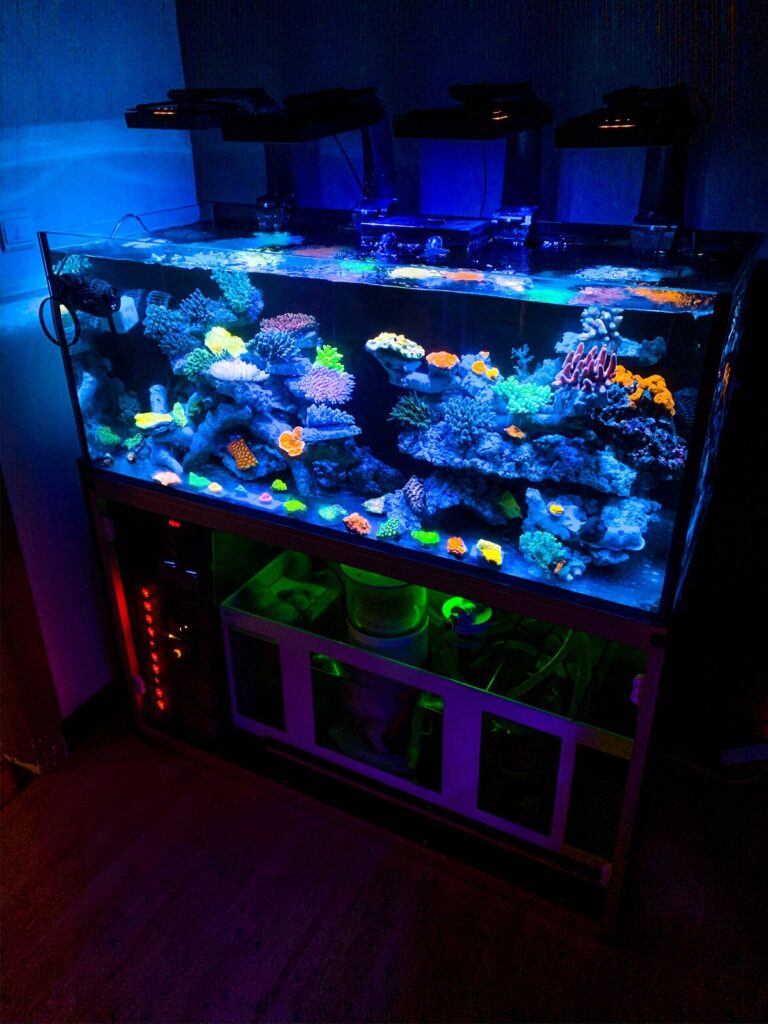
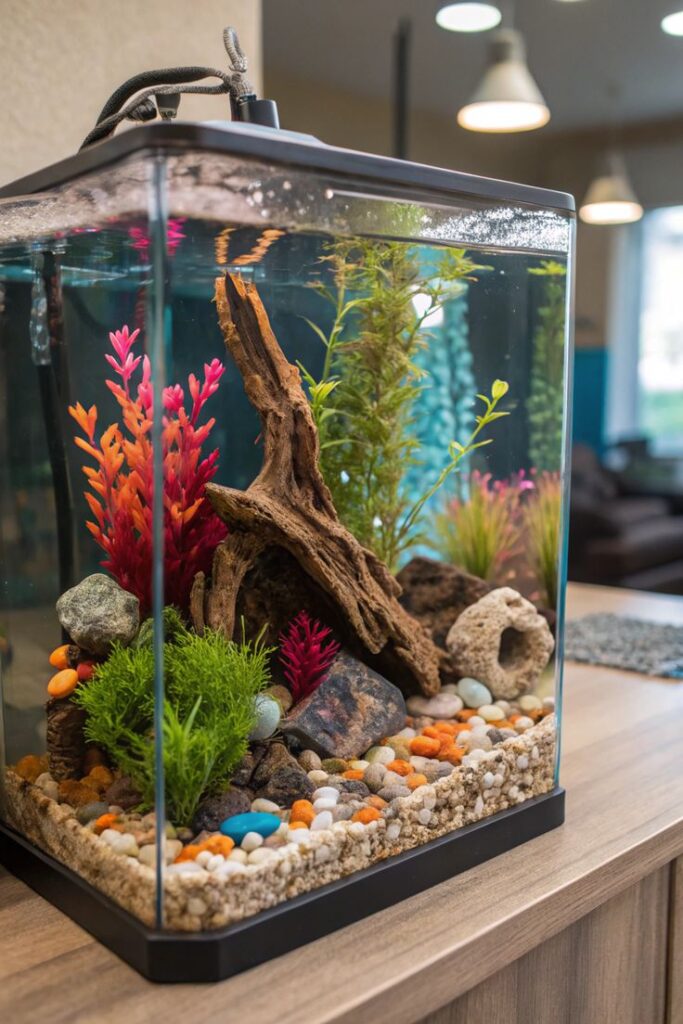
tropical fish tank​
Posted inBlog

Tropical Fish Tank: The Complete Home Aquarium Experience

There’s something enchanting about a tropical fish tank. The vibrant colors, dynamic movement, and serene water environment have the power to transform any room into a living piece of art.…
Posted by Sameel Khan August 15, 2025
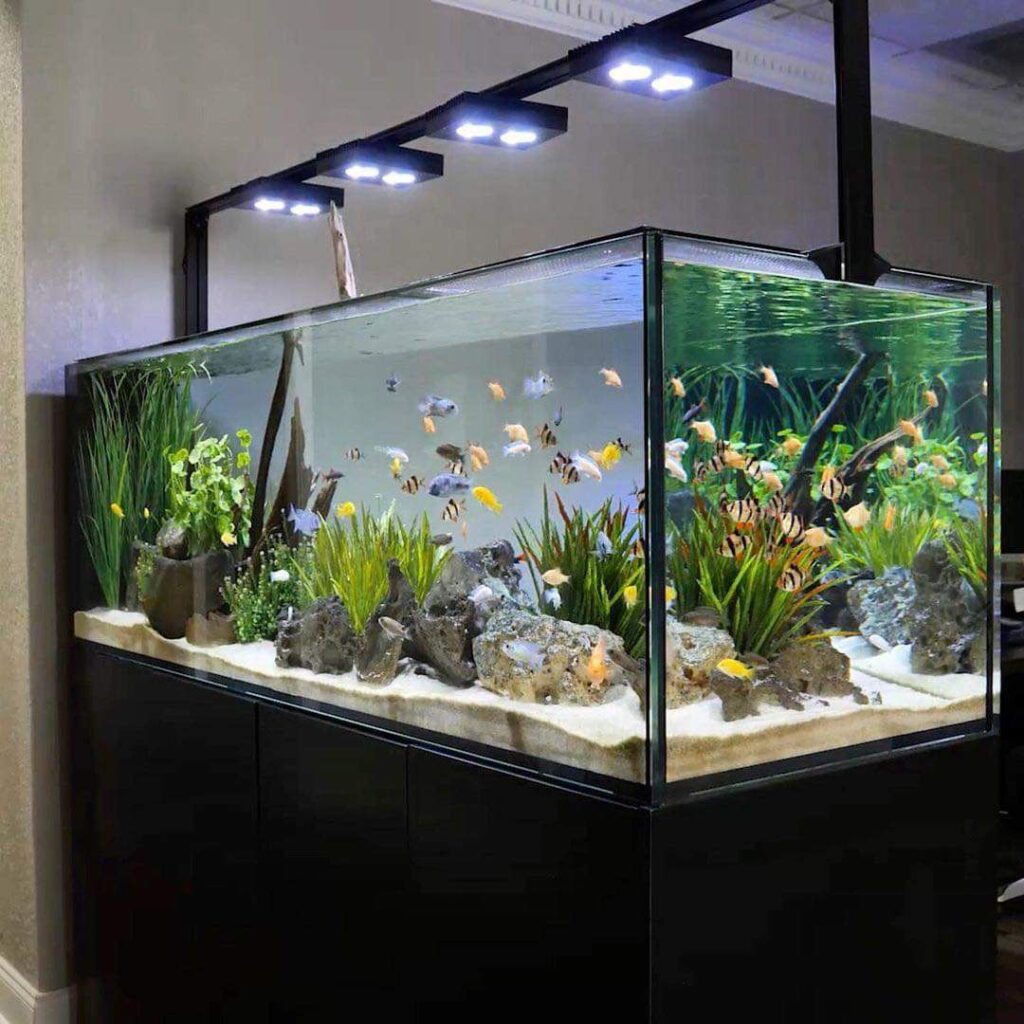
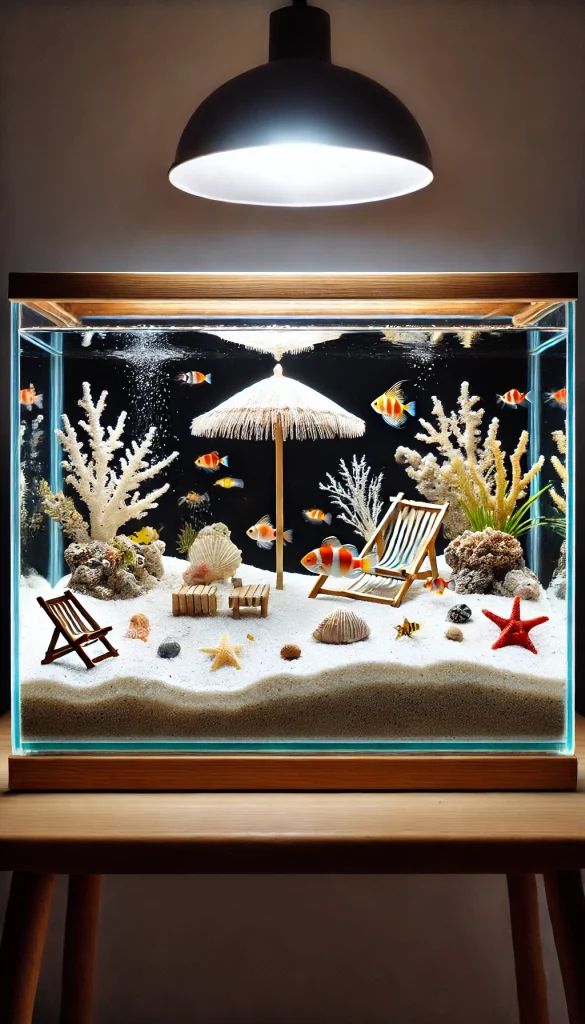
fish tank ideas​
Posted inBlog

Fish Tank Ideas to Spark Your Creativity and Transform Your Space

There’s something undeniably calming about watching fish swim gracefully in their aquatic world. But beyond the soothing effect, your aquarium can be a stunning centerpiece of design, creativity, and personality.…
Posted by Sameel Khan August 14, 2025
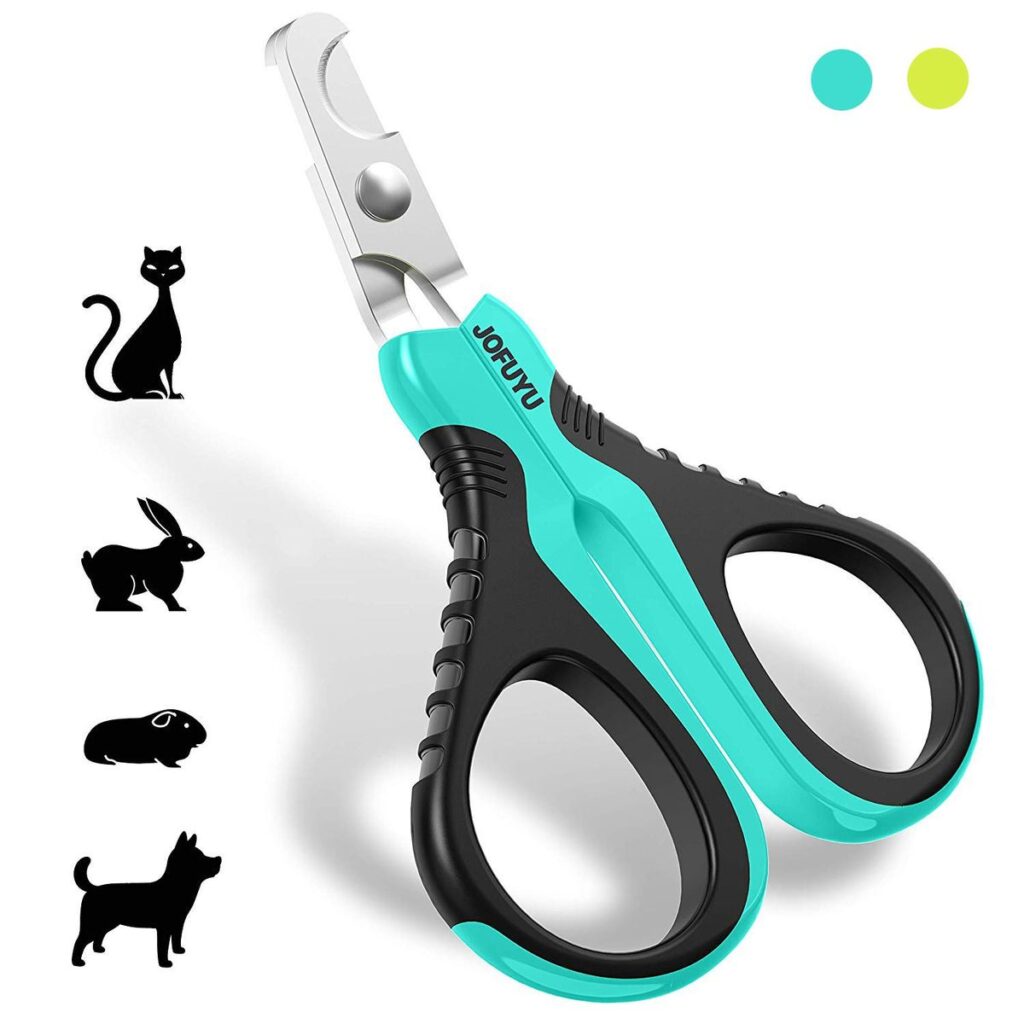
rabbit nail clippers​
Posted inBlog

Rabbit Nail Clippers: Essential Grooming Tools for Healthy Nails

Grooming your pet rabbit is an important part of keeping them healthy and comfortable. One key grooming task is trimming their nails regularly using the right rabbit nail clippers. Proper…
Posted by Sameel Khan August 14, 2025
Self Cleaning Fish Tank: The Smart Way to Keep Fish with Less Work Introduction: A Simple Solution for Fish Lovers with Busy Lives Let’s face it—cleaning a fish tank isn’t exactly fun. Between changing water, scrubbing algae, and managing filters, traditional aquariums can feel more like a chore than a calming hobby. That’s where the self cleaning fish tank comes in. Whether you’re a first-time fish owner, a parent setting up a kid-friendly tank, or just someone with a busy schedule, a self cleaning system promises a low-maintenance way to enjoy the beauty of fish without the constant upkeep. But are these tanks too good to be true? In this guide, we’ll explore how self cleaning fish tanks work, their pros and cons, the best models available, and whether they’re the right choice for your home. What Is a Self Cleaning Fish Tank? A self cleaning fish tank is designed to reduce the manual effort required to keep aquarium water clean and healthy. These tanks use different methods—some mechanical, others biological—to automatically remove waste, debris, or toxins. They don’t eliminate maintenance entirely, but they dramatically cut down on time and effort, making them ideal for beginners or those who want a more hands-off aquarium experience. How Do Self Cleaning Fish Tanks Work? Self cleaning tanks generally fall into two categories: H2: 1. Gravity-Based Systems These systems rely on gravity to push dirty water out of the tank while replacing it with clean water. Typically found in small desktop tanks You pour in clean water, and an equal amount of dirty water drains out through a tube Great for bettas or small fish Low-tech but effective for tiny setups H2: 2. Integrated Filter Systems More advanced tanks use built-in filtration and circulation systems. Internal pumps pull water through mechanical, chemical, and biological filters Waste gets trapped, and clean water circulates back into the tank Found in larger tanks or smart aquariums Often include LED lighting and digital controls Some systems even use aquaponics—growing plants above the tank that absorb nutrients (fish waste) as fertilizer, further cleaning the water naturally. Advantages of a Self Cleaning Fish Tank Choosing a self cleaning fish tank comes with real perks—especially for those new to aquarium keeping. ✅ 1. Less Frequent Water Changes Thanks to built-in cleaning features, these tanks stay cleaner for longer, reducing the need for weekly maintenance. ✅ 2. Beginner-Friendly Many models are plug-and-play, requiring minimal setup knowledge or experience. ✅ 3. Compact & Stylish Most self cleaning tanks are small and sleek, making them great for desktops, bedrooms, or small apartments. ✅ 4. Educational for Kids They provide an easy introduction to fish keeping without overwhelming young or first-time aquarists. Limitations You Should Know While convenient, a self cleaning fish tank isn’t a miracle device. It’s important to understand what these tanks can and cannot do. ⚠️ 1. Size Limitations Most models are under 5 gallons. That limits your fish choices and bio-load capacity. ⚠️ 2. Not Truly “Maintenance-Free” You’ll still need to feed fish, test water quality, and occasionally clean components. ⚠️ 3. Limited Fish Options These tanks are best for single fish like bettas, small shrimp, or snails—not community setups. Best Fish for Self Cleaning Tanks Because of their smaller size and lower filtration capacity, choose fish that thrive in smaller, low-current environments. Ideal Choices: Betta Fish – Best suited for solitary life in small tanks Cherry Shrimp – Fun, active, and help clean the tank Snails – Like nerite or mystery snails, which eat algae White Cloud Mountain Minnows – Hardy and peaceful Avoid goldfish—they grow large and produce too much waste for small, low-maintenance setups. Popular Self Cleaning Fish Tank Models If you’re ready to buy, here are some of the top-rated options based on user reviews and ease of use: H2: 1. EcoQube C Aquarium Uses aquaponics to clean water with basil or mint plants Sleek design with LED light and filtration Great for bettas 1.5-gallon capacity H2: 2. AquaSprouts Garden Large 10-gallon tank with an aquaponics grow bed on top Perfect for classrooms or home offices Grows herbs or leafy greens while keeping fish healthy Requires more setup but offers a hands-on eco-learning experience H2: 3. Back to the Roots Water Garden A compact 3-gallon aquaponics system Great for small spaces or educational purposes Comes with starter seeds and grow media Best for small fish or shrimp H2: 4. My Fun Fish Tank Gravity-based water exchange Designed for kids Easy to clean with a quick pour of clean water Basic setup for a single betta or small shrimp Setting Up a Self Cleaning Fish Tank: What to Expect Even though these tanks are easier to manage, proper setup is still essential. Step 1: Choose a Good Location Avoid direct sunlight Ensure easy access to power (for pumps or lights) Keep out of reach of children or pets Step 2: Rinse Substrate and Accessories Even pre-packaged kits may contain dust or residue—rinse thoroughly with clean water. Step 3: Add Water Conditioner Tap water contains chlorine, which can harm fish. Always treat it with a water conditioner before adding fish. Step 4: Cycle the Tank (Don’t Skip This!) Allow the tank to run for 1–2 weeks before introducing fish. This builds up beneficial bacteria that process waste. Maintenance Tips for Long-Term Success Even a self cleaning fish tank needs occasional attention. Follow these tips for a healthy environment: Feed lightly – Overfeeding is the #1 cause of dirty water Top off evaporated water weekly Test water parameters every 2 weeks Clean the filter sponge or tubing monthly Trim or replant aquaponic plants if using aquaponics Routine observation will also help you spot issues like cloudiness, algae buildup, or sick fish before they escalate. Are Self Cleaning Fish Tanks Worth It? Let’s weigh the pros and cons based on your lifestyle and fish-keeping goals. ✅ Ideal For: People with tight schedules Kids or beginner fish keepers Small living spaces Low-maintenance pets like bettas or shrimp ❌ Not Ideal For: Advanced hobbyists or aquascapers Large community tanks or high bio-load fish Those who want complete control over water chemistry Conclusion: If you’re looking for a simple, attractive way to keep a single fish or a few aquatic pets, a self cleaning fish tank can absolutely be worth the investment. But it’s not a replacement for good aquarium practices—it’s a tool to make them easier. Personal Experience: How a Self Cleaning Tank Helped Me Stay Consistent When I bought my first self cleaning fish tank, it was more about convenience than passion. I had a betta named Loki, and between work and life, I struggled with regular maintenance. The tank’s gravity-based cleaning system was a game changer. Instead of siphoning or scrubbing every week, I just topped off the water and drained out waste in seconds. Loki thrived, and for the first time, I enjoyed fish keeping without the guilt of neglect. It wasn’t just easier—it was empowering. It gave me the confidence to eventually move on to more complex setups. Final Thoughts: Simplify Without Sacrificing A self cleaning fish tank is proof that keeping fish doesn’t have to be complicated. Whether you're a busy adult or a curious kid, it lowers the barrier to entry while keeping the fun and beauty of aquarium life intact. With proper setup, light maintenance, and the right species, you can enjoy a clear, clean, and calming fish tank—without the stress of constant cleaning.
Posted inBlog

Self Cleaning Fish Tank: The Smart Way to Keep Fish with Less Work

Introduction: A Simple Solution for Fish Lovers with Busy Lives Let’s face it—cleaning a fish tank isn’t exactly fun. Between changing water, scrubbing algae, and managing filters, traditional aquariums can…
Posted by Sameel Khan August 13, 2025
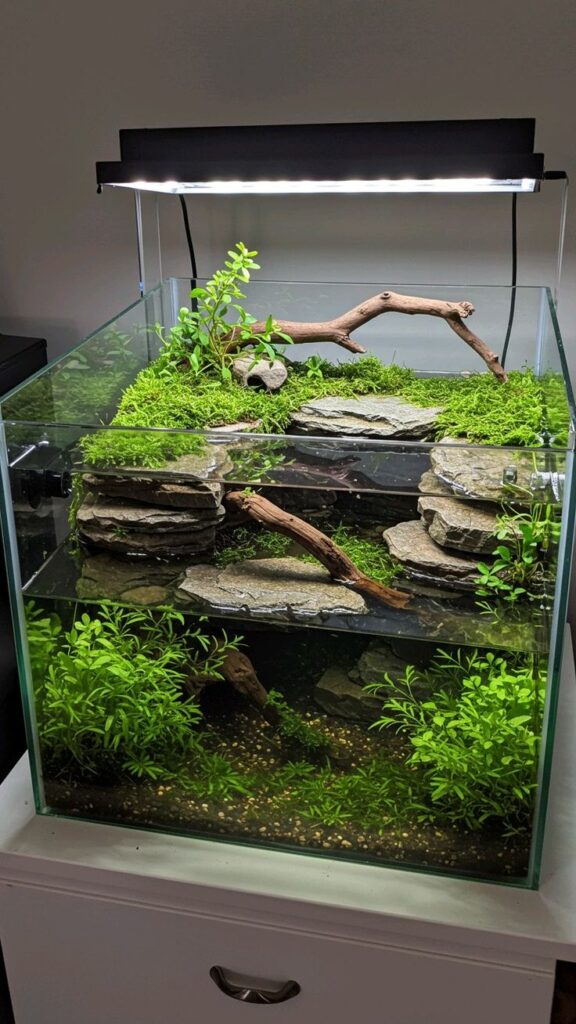
planted fish tank
Posted inBlog

Planted Fish Tank: Creating a Thriving Underwater Garden at Home

Introduction: Why Choose a Planted Fish Tank? Imagine this: your aquarium isn't just a glass box filled with water and fish—it's a living ecosystem, a green aquatic paradise that’s self-sustaining,…
Posted by Sameel Khan August 13, 2025

Posts pagination

Previous page 1 2 3 4 5 … 8 Next page

Recent Posts

  • Dog Pampers: A Helpful Solution for Hygiene and Comfort
  • Slow Feeder Dog Bowl: Why It’s a Game-Changer for Your Dog’s Health
  • Dog Man Toys: The Ultimate Guide to Durable and Fun Dog Toys
  • Best Lint Brush for Clothes: Your Go-To Guide for Spotless Apparel
  • Washable Dog Pee Pads: A Smart Solution for Clean, Comfortable Homes

Recent Comments

  1. Cat Eye Sunglasses: Timeless Glamour with a Modern Twist on Cat Diapers: Everything You Need to Know Before Buying One
Copyright 2026 — Pet Products. All rights reserved.
Scroll to Top