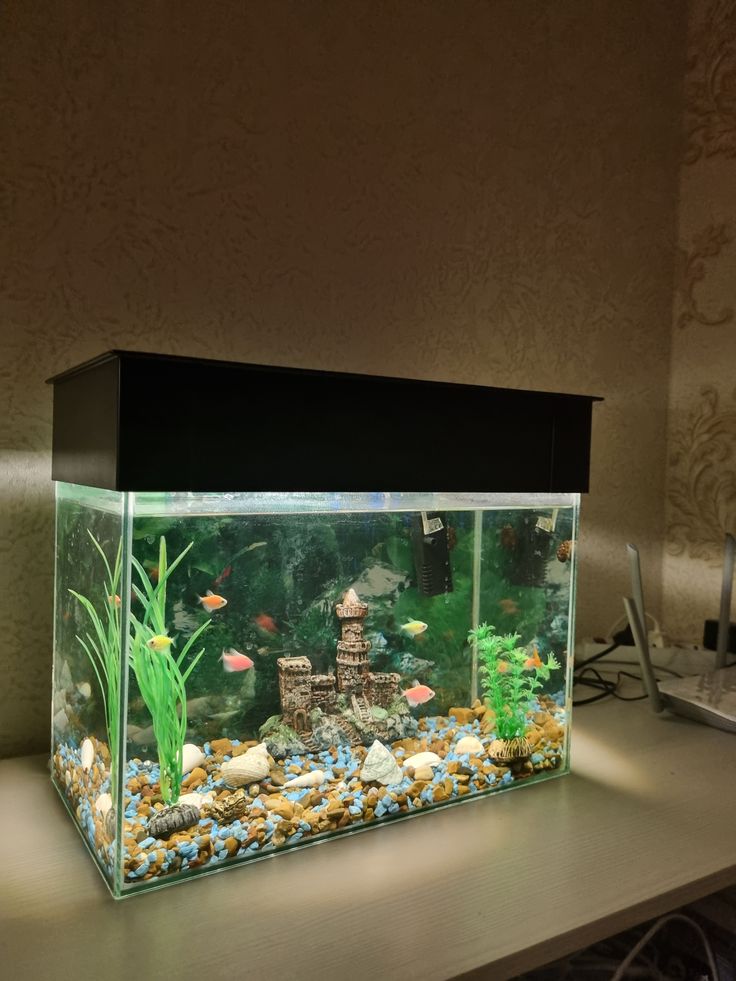
Introduction: Why an Aquarium Fish Tank for Home Is More Than Just Decor
Ever stood in front of a well-lit fish tank and felt instantly calmer? There’s a reason for that. Adding an aquarium fish tank for home isn’t just about aesthetics—it’s a gateway to a peaceful, therapeutic experience. From easing stress to enhancing your living space with vibrant life, aquariums offer something unique.
And the best part? You don’t need to be a marine biologist or have a massive budget to get started.
In this guide, we’ll walk you through everything you need to know about setting up the perfect aquarium fish tank for home—from choosing the right size and design to maintaining a healthy aquatic environment. Whether you’re a beginner or looking to upgrade your existing setup, we’re diving deep to bring clarity and excitement to your aquarium journey.
Table of Contents
The Real Benefits of Having an Aquarium at Home
1. Stress Reduction Backed by Science
Studies have shown that watching fish swim can lower blood pressure and reduce anxiety. It’s why you’ll find aquariums in places like dentist offices and hospitals. They have a therapeutic, meditative effect that can’t be overstated.
2. Natural Home Décor
Unlike a painting or indoor plant, a fish tank is dynamic. It brings a natural focal point into any room, especially when matched with stylish lighting and carefully selected aquascaping.
3. Educational Value for Kids and Adults
An aquarium provides a hands-on way to learn about ecosystems, biology, and responsibility. It’s one of the most interactive teaching tools you can have right in your living room.
Choosing the Right Aquarium Fish Tank for Home
Before you buy the first tank you see online, pause. Not every aquarium is suitable for every home.
H2: Types of Aquariums
H3: Freshwater Aquariums
- Easier to maintain
- Budget-friendly
- Great for beginners
- Hosts a variety of colorful species like guppies, tetras, and bettas
H3: Saltwater Aquariums
- More visually striking
- Higher maintenance and cost
- Requires precise salinity levels
- Hosts exotic species like clownfish and tangs
H3: Brackish Aquariums
- A mix between freshwater and saltwater
- Less common, but rewarding
- Fish like mollies and archerfish thrive here
H2: Tank Sizes and Their Impact
Tank size matters. A common mistake is going too small, thinking it’s easier. In fact, smaller tanks are harder to manage due to rapid changes in water quality.
| Tank Size | Ideal For | Maintenance Level |
|---|---|---|
| 5-10 gallons | Betta fish or shrimp | High – limited space for error |
| 20-30 gallons | Small community tanks | Moderate |
| 50+ gallons | Multiple species or saltwater | Lower (more stable) |
Pro Tip: Go as big as your space and budget allow. Larger tanks offer more room for creativity and fewer health issues for your fish.
What to Look for in an Aquarium Kit
If you’re just starting out, buying a full aquarium kit can be a great decision. But not all kits are created equal.
Must-Haves in a Good Aquarium Kit:
- Tank with lid (prevents fish from jumping and reduces evaporation)
- Lighting (LEDs are energy-efficient and enhance colors)
- Filter system (crucial for water quality)
- Heater (for tropical fish)
- Thermometer (to monitor water temperature)
- Water conditioner (removes harmful chlorine)
- Aquarium test kit (tests pH, ammonia, nitrate, nitrite levels)
Many reputable brands like Fluval, Marina, and Aqueon offer starter kits tailored for home use.
Setting Up Your Aquarium Fish Tank for Home
Let’s break it down step-by-step:
Step 1: Find the Right Location
- Avoid direct sunlight (causes algae growth)
- Choose a spot away from noise and vibrations
- Ensure the surface is level and can support the tank’s weight (1 gallon = ~8.3 lbs)
Step 2: Install Substrate and Decorations
- Use aquarium-safe gravel or sand
- Add rocks, driftwood, and plants for hiding spots
- Rinse all decorations to remove dust or chemicals
Step 3: Add Water and Conditioner
- Fill the tank with room-temperature water
- Add a dechlorinator to neutralize tap water chemicals
Step 4: Start the Filter and Heater
- Let the tank run for at least 24-48 hours
- This “cycling” phase is crucial for developing beneficial bacteria
Step 5: Introduce Fish Slowly
Don’t dump in 10 fish at once. Start with 2–3 hardy fish and gradually increase over weeks. Monitor water parameters closely.
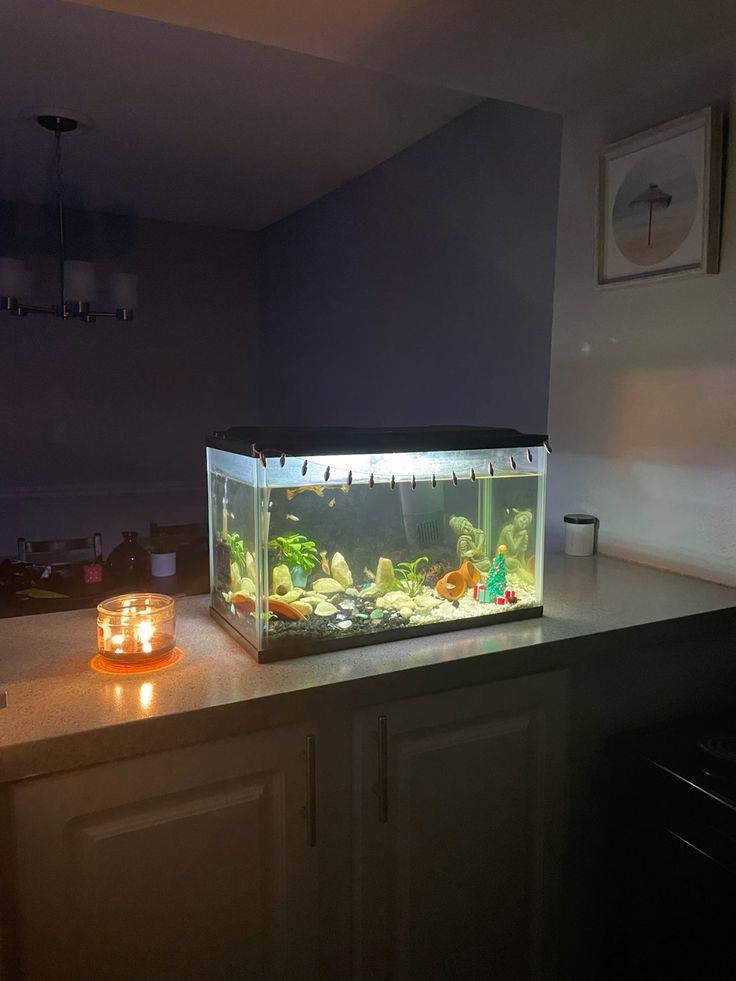
Top Fish for Home Aquariums
Not all fish are suited for beginners. Here are some reliable, beautiful, and peaceful species to consider:
Freshwater Options
- Neon Tetras – Colorful and peaceful
- Guppies – Hardy and breed easily
- Corydoras Catfish – Great tank cleaners
- Betta Fish – Best kept alone, stunning colors
- Platies and Mollies – Active and easygoing
Saltwater Favorites
- Clownfish – Hardy and charismatic
- Damselfish – Small but vibrant
- Royal Gramma – Peaceful and bright
Important: Always research the compatibility of species. Some fish don’t get along, and overcrowding leads to stress and disease.
Maintenance: Keeping Your Aquarium Healthy
Keeping a fish tank isn’t “set it and forget it.” Consistent care is key to healthy, happy fish.
Weekly Tasks
- Check water temperature
- Test water for ammonia, nitrites, nitrates, and pH
- Top off evaporated water
- Wipe glass (inside and outside)
Bi-Weekly Tasks
- Change 20-30% of the water
- Clean filter media with tank water (not tap water)
- Vacuum substrate to remove debris
Monthly Tasks
- Deep clean decorations
- Trim live plants
- Evaluate fish for any signs of illness
Troubleshooting Common Issues
Cloudy Water?
- Often caused by bacterial bloom
- Solution: Reduce feeding, perform water change
Fish Gasping at the Surface?
- Low oxygen levels or poor water quality
- Solution: Improve aeration and check filter function
Algae Overgrowth?
- Caused by too much light or nutrients
- Solution: Reduce light hours, add algae eaters like snails or plecos
Personal Perspective: My First Tank Experience
My first aquarium fish tank for home was a modest 10-gallon setup with a handful of guppies. I made every rookie mistake: overcrowded the tank, skipped water changes, and overfed them daily. Within weeks, the tank was a mess.
But I learned quickly. Research, patience, and routine turned everything around.
Six months later, that small tank became the centerpiece of my living room. Friends would gather around to watch the fish interact, and I found myself de-stressing every evening just by sitting beside it. It became more than a hobby—it was a lifestyle shift.
Fresh Design Ideas to Elevate Your Aquarium Fish Tank for Home
If you want your tank to stand out, think beyond the basics.
Aquascaping Styles
- Nature Aquarium – Mimics forests or rivers
- Iwagumi – Zen-style with rock formations
- Dutch Aquarium – Focused on lush plant arrangements
Placement Tips
- Place tanks near light-colored walls to reflect more light
- Use LED lighting with timers for consistency
- Hide cords and equipment using cabinet-style stands or DIY backgrounds
Budget Breakdown: What to Expect
| Item | Estimated Cost (USD) |
|---|---|
| 20-Gallon Tank Kit | $100–$150 |
| Gravel and Decorations | $30–$60 |
| Fish (5–10) | $20–$50 |
| Food and Supplies | $15–$25/month |
| Water Testing Kit | $15–$30 |
| Replacement Filters | $10–$20/month |
Total setup cost: $200–$350
Ongoing maintenance: $25–$50/month
It’s a modest investment for something that adds tranquility and beauty to your space.
Final Thoughts: Why an Aquarium Fish Tank for Home is Worth It
Adding an aquarium fish tank for home can transform your living space in ways few other things can. It’s a blend of art, science, and personal connection. Whether you’re into vibrant aquatic plants, exotic fish, or the serene sounds of bubbling water, there’s a setup for you.
Start small if you need to. Learn, adjust, and enjoy the journey.
Because once you do it right, your home won’t just be a place you live—it’ll be a place that lives with you.