Have you ever wanted to keep pet fish but felt overwhelmed by large aquariums and high-maintenance setups? A fish jar might be the perfect solution. Compact, aesthetic, and surprisingly easy to manage, this trend has taken off among minimalists, students, and small space dwellers alike.
But is a fish jar really a healthy environment for fish? What kind of setup works best? And how do you balance design with the well-being of your aquatic pets?
Let’s dive deep into the world of fish jars and find out what makes them special—and how to create one that’s both beautiful and functional.
Table of Contents
What is a Fish Jar?
A fish jar is exactly what it sounds like—a clear glass jar (often a large one) used as a small aquarium for keeping one or more fish. It’s a minimalist approach to fish keeping that fits well in bedrooms, desktops, kitchens, or even small apartments.
Fish jars usually range from 1 to 5 gallons in capacity and are often cylindrical or spherical. While they may resemble old-fashioned fish bowls, modern versions come with better filtration and design improvements to support healthier fish lives.
Why Choose a Fish Jar Over a Traditional Aquarium?
Here are a few compelling reasons people choose a fish jar:
- Space-saving: Perfect for tiny apartments, desks, or kitchen counters.
- Aesthetic appeal: Their clear, symmetrical design blends well with modern or rustic decor.
- Budget-friendly: Compared to full-sized aquariums, a fish jar setup costs significantly less.
- Educational: A great introduction to fish keeping for kids and beginners.
- Portable: Lightweight and easy to relocate.
However, a fish jar isn’t a substitute for a fully equipped aquarium. It requires thoughtful setup and regular care.
Best Fish Species for a Fish Jar
Not every fish can thrive in such a confined environment. The best fish jar inhabitants are small, hardy, and adaptable to variable conditions.
Top choices include:
- Betta Fish
- Single betta per jar (they’re territorial)
- Gorgeous colors, low oxygen demand
- Needs regular water changes
- Guppies (1-2 only)
- Small, active, and colorful
- Prefer stable temperatures
- Endler’s Livebearers
- Close relatives of guppies
- Ideal for nano tanks and jars
- Shrimp or Snails (optional)
- Like Cherry shrimp or Nerite snails
- Help keep the jar clean by eating algae
Avoid goldfish, tetras, and cichlids, as they require more space and oxygen.
How to Set Up a Fish Jar: Step-by-Step
Setting up your fish jar properly is essential for the health of your pet fish. Follow these steps to ensure a safe and appealing mini-aquarium.
1. Choose the Right Jar
- Use a jar that holds at least 1-2 gallons (larger is better).
- Opt for clear glass with a wide mouth for access and oxygen exchange.
- Avoid jars with narrow necks or unusual shapes that restrict airflow.
2. Add Gravel or Substrate
- Use aquarium-safe gravel or fine sand.
- Rinse thoroughly to remove dust or chemicals.
- A 1-inch layer is enough to anchor plants and provide some biological filtration.
3. Add Live or Artificial Plants
- Live plants like Java Moss, Anubias, or Hornwort can thrive in jars.
- They help absorb nitrates, improve oxygenation, and create a more natural habitat.
- Artificial plants also work, but they don’t improve water quality.
4. Decorate Carefully
- Avoid overloading with decorations—space is limited.
- Use smooth, non-toxic decor like small driftwood, pebbles, or a mini castle.
5. Fill with Dechlorinated Water
- Use conditioned tap water or pre-treated water to remove chlorine and chloramine.
- Maintain a stable temperature (ideally 75-80°F for most species).
6. Optional: Add a Small Filter or Heater
- For jars over 2 gallons, a small sponge filter or nano heater can greatly improve fish health.
- In smaller jars, consistent water changes become even more critical.
How to Maintain a Fish Jar
While a fish jar is low-maintenance, it still requires regular attention to ensure a safe and comfortable environment for its inhabitants.
Weekly Tasks:
- Water Change: Replace 30-50% of the water with fresh, dechlorinated water.
- Gravel Cleaning: Gently stir or siphon the gravel to remove debris.
- Temperature Check: Ensure consistent warmth, especially in colder regions.
Monthly Tasks:
- Plant Trimming: Remove dead leaves to avoid water contamination.
- Glass Cleaning: Wipe down inside walls to remove algae buildup.
Feeding:
- Feed once daily or every other day.
- Remove uneaten food within 5 minutes.
- Overfeeding is a common cause of water issues in jars.
Common Mistakes to Avoid
Many new fish jar owners make critical errors that can harm or even kill their fish. Here’s what to watch out for:
- Overcrowding: One fish is plenty for a small jar.
- Lack of filtration: While jars can function without filters, poor water quality is dangerous.
- Skipping water changes: Even a day or two can lead to toxin buildup.
- Using tap water without conditioning: Chlorine is lethal to fish.
- Adding incompatible fish: Avoid mixing species or adding aggressive tank mates.
Fish Jar Design Inspirations
Want to go beyond the basics? Here are a few themed ideas for decorating your fish jar:
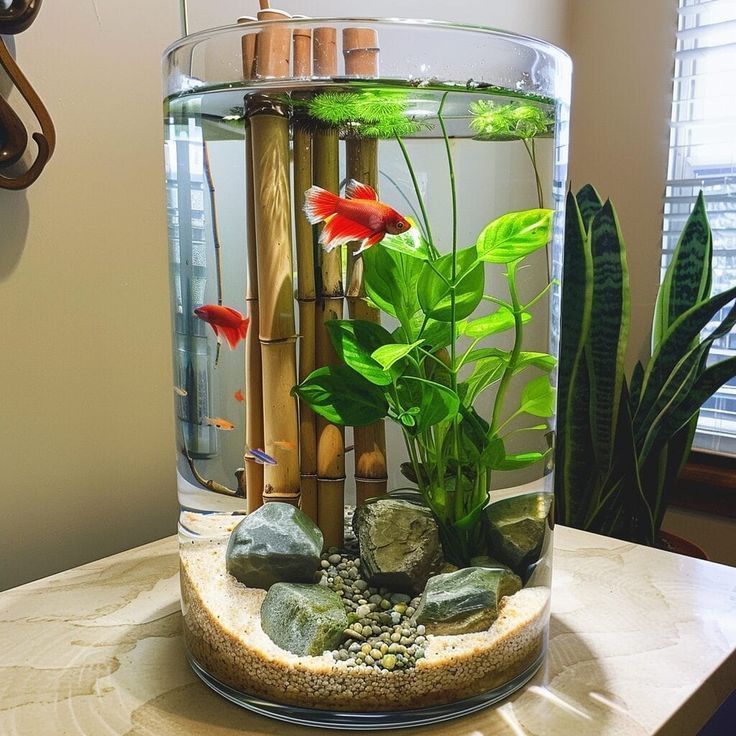
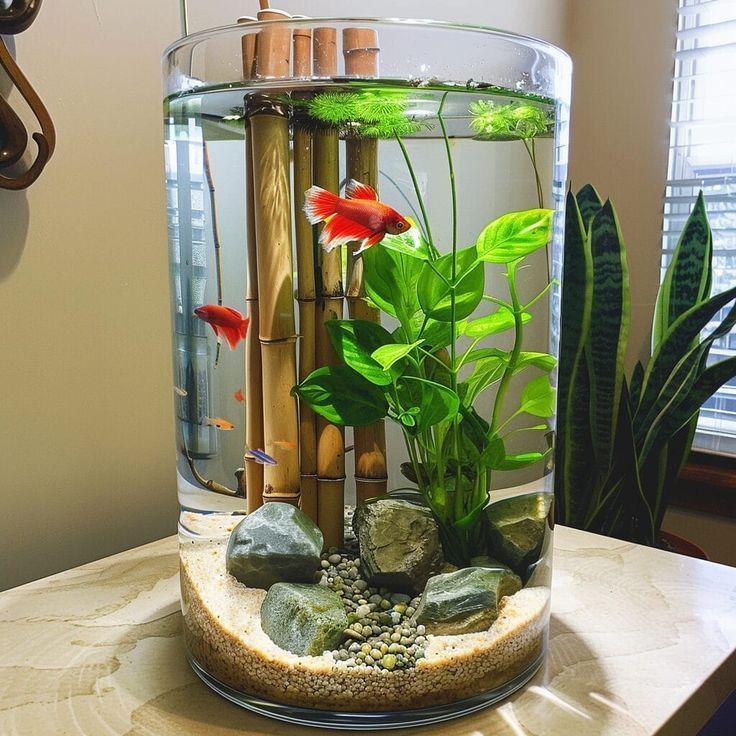
1. Zen Garden Jar
- White sand, smooth pebbles, a single plant.
- Great for bettas and minimalists.
2. Undersea Fantasy
- Blue gravel, fake coral, pirate chest ornament.
- Ideal for kids and whimsical rooms.
3. Jungle Look
- Heavily planted with Java Fern, moss balls, and driftwood.
- Natural and lush atmosphere.
Each theme can make your fish jar a centerpiece in any room while still offering comfort for your fish.
Is a Fish Jar Right for You?
A fish jar is an excellent choice if you’re:
- Living in a dorm or studio apartment
- Looking for a low-budget, aesthetic pet project
- Interested in starting small before committing to a larger tank
- Responsible and willing to do weekly maintenance
But if you want to keep multiple fish or species with specific needs, it’s better to invest in a proper tank with full equipment.
Final Thoughts
A fish jar is more than just a decorative piece—it’s a living, breathing ecosystem in a glass world. With the right care and attention, even a small jar can become a thriving aquatic environment and a conversation starter in your space.
Whether you’re a beginner aquarist or simply someone who loves combining nature with home décor, this minimalist approach might be your ideal entry into the world of fish keeping.