Training a dog can feel like a never-ending cycle of repetition, frustration, and the occasional chewed-up shoe. If you’re tired of yelling commands that go ignored or trying methods that just don’t stick, you’re not alone. Thankfully, there’s a smart tool making waves in the pet training world: the dog training box.
In this guide, we’ll unpack everything you need to know—from what a dog training box is, how it works, and why it’s gaining popularity among trainers and pet parents alike.
Table of Contents
What Is a Training Box?
A dog training box isn’t just a literal box. It’s a training aid designed to shape your dog’s behavior through a combination of structure, cues, and consistency. Some boxes are physical platforms; others are interactive, treat-dispensing devices or kits with clickers and guides.
Main Types of Training Boxes:
- Clicker & Treat Boxes
– These often include a clicker, training treats, and step-by-step guidance. Great for basic obedience and positive reinforcement. - Platform Boxes (Place Training)
– Raised platforms or mats used to teach dogs to “stay,” “place,” or “settle.” It encourages calm behavior and sharpens focus. - Interactive Training Toys/Boxes
– Think puzzle toys or smart boxes that reward dogs for completing tasks. These boost mental stimulation and cognitive engagement.
Why Use a Dog Training Box?
A dog training box provides structure, consistency, and a controlled environment—crucial for effective learning. Here’s why it’s a game-changer:
1. Focus & Boundaries
The box helps define a specific space for the dog to engage or stay. This clarity improves responsiveness and lowers anxiety.
2. Positive Reinforcement
Most dog training boxes use treats, clicks, or praise to reinforce good behavior—an evidence-based training method approved by veterinarians and behaviorists.
3. Mental Stimulation
These tools challenge your dog to think, solve, and learn—especially important for high-energy breeds that get bored easily.
4. Suitable for All Ages
Whether you have a new puppy or an older dog needing a refresher, a training box adapts to your dog’s pace.
Real-Life Experiences: Do They Work?
Take Mira, a rescue dog with boundless energy and little discipline. After struggling with leash pulling and ignoring commands, her owner tried a platform-style dog training box. Within two weeks, Mira had learned to “go to place” during dinner and wait calmly—something that seemed impossible before.
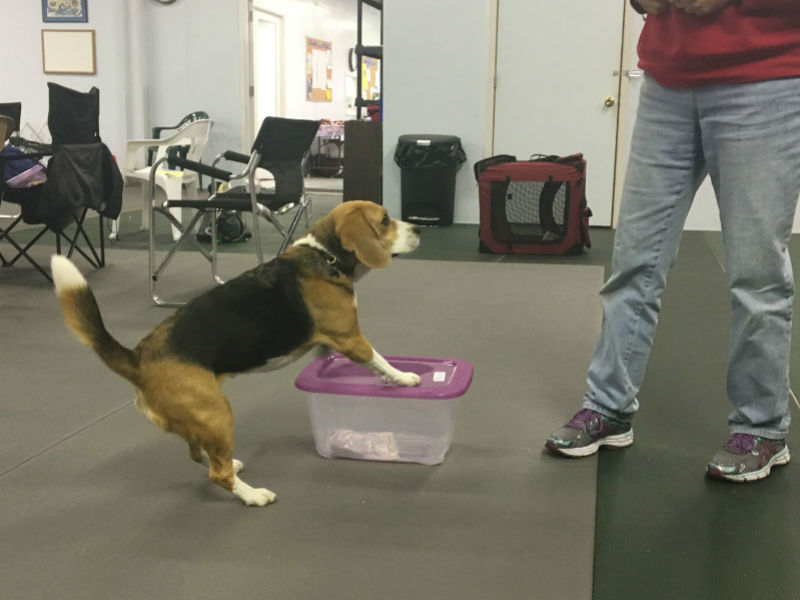
Or consider Leo, a stubborn beagle with a nose for trouble. Using a treat-dispensing training box, his family turned mealtimes into structured training sessions. Leo now responds to basic commands and shows more patience, even with distractions around.
Comparison: Dog Training Box vs Traditional Training

| Feature | Dog Training Box | Traditional Training |
|---|---|---|
| Structure & Focus | High – Offers a defined area | Medium – Depends on handler control |
| Ease of Use | Easy – Step-by-step instructions | Varies – Requires knowledge |
| Positive Reinforcement | Built-in with many kits | Optional – Trainer dependent |
| Mental Engagement | High – Especially interactive boxes | Medium – May focus on obedience only |
| Portability | Compact and portable | Depends on method used |
How to Use a Training Box (Step-by-Step)
Step 1: Introduce the Box
Place it in a quiet area. Let your dog sniff and explore it freely.
Step 2: Associate with Positive Rewards
Use treats or praise to create a positive connection. Click or reward every time your dog interacts calmly.
Step 3: Introduce Commands
Start with simple commands like “place” or “stay” as your dog steps onto or near the box. Be consistent.
Step 4: Increase Duration
Gradually increase the time your dog stays in the box before receiving a reward.
Step 5: Add Distractions
Once your dog is consistent, start training with light distractions to reinforce focus.
Common Mistakes to Avoid
- Overuse of Treats: Balance rewards with verbal praise and play to avoid dependency.
- Inconsistency: Mixed signals confuse dogs. Stick to clear commands and routines.
- Skipping Steps: Don’t rush the learning process—reinforcement takes time.
Tips for Choosing the Right Dog Training Box
When shopping for a dog training box, consider:
- Size: Ensure it fits your dog’s breed and age.
- Material: Look for durable, non-slip surfaces.
- Purpose: Choose based on your goals—obedience, stimulation, behavior correction.
- Portability: If you travel or train outdoors, lightweight and collapsible models are ideal.
Expert Insights
According to Dr. Patricia McConnell, a certified applied animal behaviorist, training success hinges on timing, reinforcement, and clarity. A dog training box helps bridge the gap between communication and behavior by offering a structured space and consistent reward patterns.
Certified trainers from the Association of Professional Dog Trainers (APDT) also recommend using tools like these to complement verbal and physical cues.
Alternatives to Dog Training Boxes
While dog training boxes are effective, you might also consider:
- Target Sticks – Useful for teaching movement-based tasks.
- Crate Training – For structure but often more for confinement than training.
- Mat Training – Similar to place boxes, but softer surfaces.
- Treat Puzzle Games – For mental enrichment but less controlled than box training.
Each tool has its place—combining methods can often yield the best results.
Conclusion: Is a Dog Training Box Worth It?
Absolutely. Whether you’re starting basic obedience or addressing behavior issues, a dog training box offers a powerful, easy-to-use solution. It brings structure, focus, and fun into your routine—making training enjoyable for both you and your dog.
Consistency is key, but with the right tool in your hands (and paws), you’re well on your way to a well-mannered canine companion. Want to visit our website.