
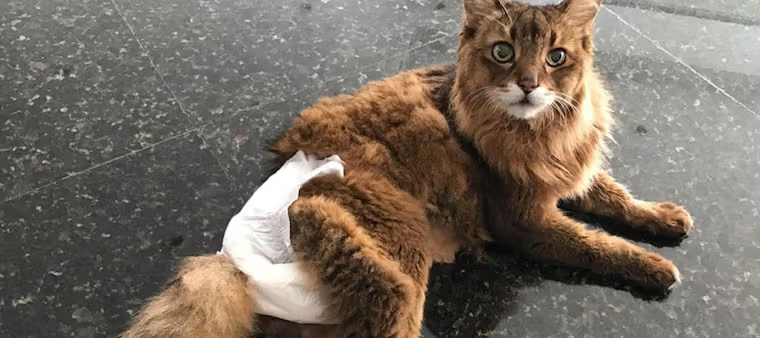
If you’re like most cat parents, the idea of using diapers on your cat may sound strange at first. After all, cats are naturally clean creatures who instinctively use a litter box. But life with pets isn’t always predictable—and that’s where cat diapers come in.
Whether your feline is dealing with incontinence, recovery from surgery, or behavioral spraying, cat diapers can be a game-changer. But choosing and using them correctly requires more than just picking the right size.
In this article, we’ll walk you through everything you need to know—from types and uses to personal tips and practical insights—so you can make an informed decision for your cat’s comfort and well-being.
Table of Contents
Why Would a Cat Need Diapers?
Let’s start with the basics. Not every cat needs diapers, but in certain circumstances, they offer relief for both the cat and the owner.
Common reasons to use cat diapers:
- Incontinence due to age or illness
- Post-surgical recovery where movement is limited
- Paralysis or mobility challenges
- Urinary tract infections causing frequent accidents
- Spraying or marking inside the house
- Travel or long trips with no access to a litter box
When used correctly, cat diapers can prevent messes, reduce stress, and support hygiene—without compromising your cat’s dignity.
Understanding the Different Types of Cat Diapers
Cat diapers come in various forms, each designed for different needs. Choosing the right type can make a big difference in your cat’s comfort and your daily routine.
1. Disposable Cat Diapers
Single-use diapers similar to baby diapers, made with absorbent padding and leak-proof outer layers.
Best for: Short-term use, travel, or post-surgery care
Pros:
- Convenient, no washing required
- Leak-proof and highly absorbent
Cons: - Not eco-friendly
- Long-term cost adds up
2. Washable Cat Diapers
Reusable cloth diapers that can be washed and used multiple times.
Best for: Daily or long-term use
Pros:
- Cost-effective over time
- Environmentally friendly
- Soft and breathable materials
Cons: - Requires frequent washing
- May stain over time
3. Male Wraps / Belly Bands
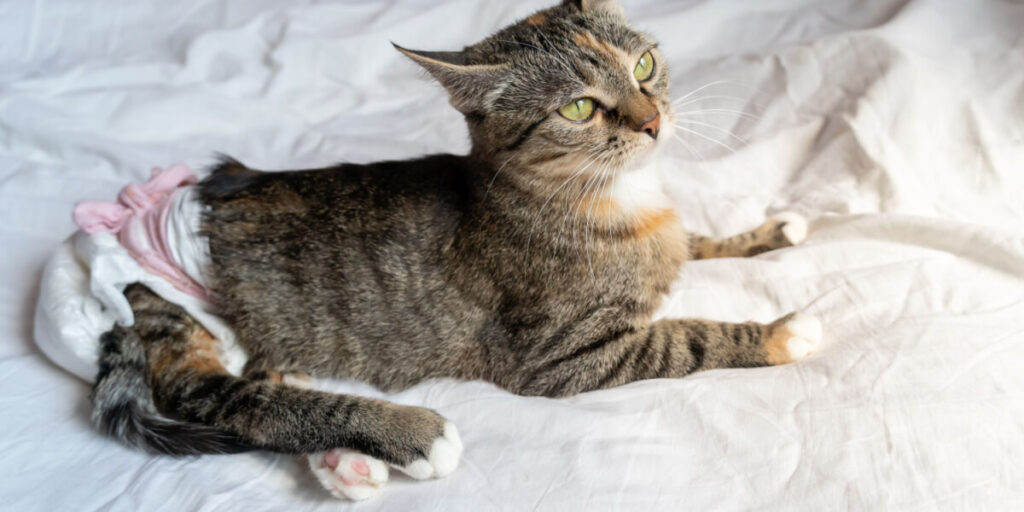
Designed for male cats, these wrap around the lower abdomen to catch urine.
Best for: Male cats with spraying or urinary issues
Pros:
- Targeted protection
- Less bulky
Cons: - Not suitable for fecal incontinence
What to Look For in the Best Cat Diapers
Not all cat diapers are created equal. The key is finding a diaper that fits snugly without restricting movement, and keeps your cat dry and comfortable.
✅ Fit & Size
Measure your cat’s waist and weight before purchasing. Most brands offer a size chart. A too-loose diaper will leak, while one too tight can cause discomfort or chafing.
✅ Absorbency
Look for diapers with strong inner linings and moisture-locking technology, especially for cats with severe incontinence.
✅ Breathability
Your cat’s skin needs to breathe. Diapers made from soft, breathable fabrics help prevent rashes and irritation.
✅ Tail Hole Design
A good cat diaper should have a secure, elasticized tail hole to allow natural tail movement without leakage.
✅ Fastening Mechanism
Hook-and-loop (Velcro) closures are ideal for adjustability. Snap or button designs are more secure but harder to put on a squirming cat.
Real-World Experience: What I Learned Using Cat Diapers
As a cat parent to an elderly feline with kidney disease, transitioning to cat diapers was not something I had ever considered—until it became a necessity.
Initially, I tried disposable diapers, but my cat resisted wearing them. The crinkly material seemed uncomfortable, and the sizing felt off despite measurements.
Switching to a washable cloth diaper made all the difference. The fabric was softer, and I could customize the fit with Velcro. We built a routine: I’d change her diaper every few hours, check for skin irritation, and clean gently with fragrance-free wipes.
There were challenges—learning the right diaper-changing technique and keeping her calm during the process—but within a week, it became just another part of her care routine. Her stress decreased, and my home stayed clean.
The biggest lesson? It’s not just about managing mess—it’s about giving your cat dignity and comfort during a vulnerable time.
How to Put on Cat Diapers: Step-by-Step Guide
Putting a diaper on a cat isn’t always easy, but with patience and consistency, it becomes manageable.
Step 1: Calm Your Cat
Pick a time when your cat is relaxed, such as after eating or playing.
Step 2: Prep the Diaper
Open the diaper and ensure the tail hole is facing downward.
Step 3: Slide the Tail In
Gently guide the tail through the opening.
Step 4: Secure the Waist
Wrap the diaper around your cat’s waist snugly but not too tight. Fasten the Velcro or snaps evenly on both sides.
Step 5: Check the Fit
Ensure the diaper covers the private areas fully without restricting movement. Watch for signs of discomfort.
Tips for Keeping Your Cat Comfortable in Diapers
- Start slow: Let your cat sniff and explore the diaper before putting it on.
- Use treats: Reward your cat for cooperating.
- Keep sessions short: At first, let them wear the diaper for short periods and gradually increase.
- Monitor for irritation: Check daily for signs of rash, redness, or hair loss.
- Maintain cleanliness: Change diapers regularly and clean your cat’s fur gently.
Diaper Alternatives: Do You Really Need Them?
Before committing to cat diapers, consider these alternatives:
- Litter box re-training (for behavioral issues)
- Protective coverings like waterproof pads or washable bedding
- Urinating aids for disabled cats (cat wheelchairs or drag bags)
However, if your cat has medical or physical conditions that prevent control or movement, diapers often remain the most hygienic option.
Common Concerns & Misconceptions
“Isn’t it cruel to put a diaper on a cat?”
Not at all—when done correctly. Diapers can help your cat stay clean, dry, and healthy. The key is ensuring comfort, fit, and hygiene.
“Won’t my cat just tear it off?”
Possibly—at first. That’s why it’s essential to use a diaper with strong fasteners and introduce it gradually.
“Do cat diapers cause infections?”
Only if neglected. With regular changes, cleaning, and monitoring, the risk is minimal.
Frequently Asked Questions
Q1: How long can my cat wear a diaper?
Change the diaper every 3–4 hours or sooner if it’s soiled. Never leave a diaper on for more than 6 hours.
Q2: Can kittens wear cat diapers?
Yes, but choose the smallest size and monitor closely. Kittens are more sensitive to chafing and irritation.
Q3: Are cat diapers safe overnight?
Only if checked before bedtime and your cat is not prone to over-soiling. Use a highly absorbent diaper and check for leaks in the morning.
Q4: How many washable diapers should I buy?
Start with 4–6, so you always have clean spares while washing used ones.
Q5: Can I use dog diapers for my cat?
In some cases, yes—if they fit well and have a tail hole. But cat-specific designs provide a better fit.
Final Thoughts: Embracing Cat Diapers with Confidence
Cat diapers may not be something most cat owners consider—until necessity forces the decision. But rather than a last resort, they can be a compassionate solution for health, mobility, and quality of life.
From elderly cats to those with temporary injuries, diapers offer a practical way to maintain hygiene and reduce stress—for both the cat and the caregiver.
Remember, your cat’s comfort is key. The right fit, the right material, and a little patience can go a long way in helping your feline friend live a clean, comfortable, and dignified life—even with diapers.If you want to learn more about pet products you can visit our website.


Pingback: Cat Eye Sunglasses: Timeless Glamour with a Modern Twist