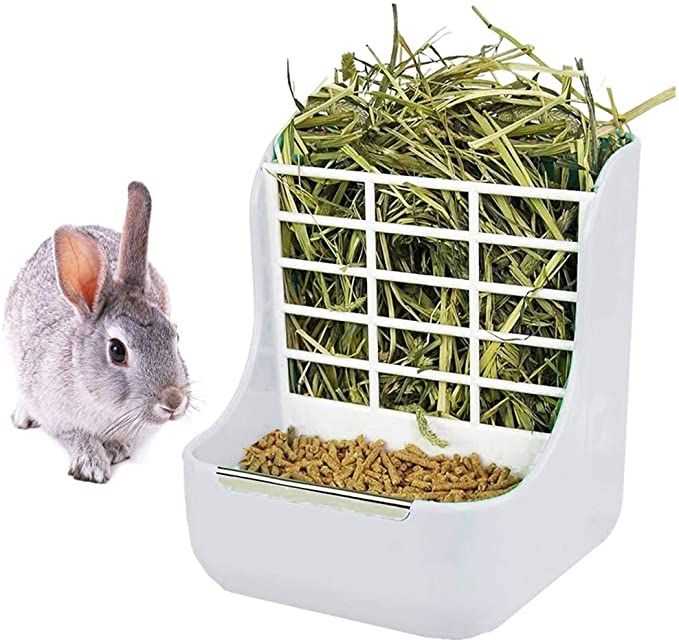
Feeding your pet rabbit properly is crucial for its health and happiness. A good rabbit feeder ensures that your bunny’s food stays fresh, clean, and easily accessible, helping prevent waste and mess.
In this guide, we’ll explore why a quality rabbit feeder matters, types of feeders available, and tips for choosing the best one for your furry friend.
Table of Contents
Why Use a Rabbit Feeder?
A rabbit feeder offers several benefits:
- Keeps food clean: Protects pellets and hay from dirt, bedding, and moisture.
- Reduces waste: Prevents rabbits from scattering food on the floor.
- Encourages proper eating habits: Easy access helps maintain regular feeding.
- Easy to refill and clean: Simplifies daily care routines.
Types of Rabbit Feeders
1. Hanging Hay Feeders
Mesh or wire baskets that hang inside the cage to hold hay.
- Pros: Keeps hay off the floor, reduces contamination.
- Cons: Can be tricky to refill for beginners.
2. Bowl Feeders
Simple bowls made of plastic, ceramic, or stainless steel.
- Pros: Easy to use and clean.
- Cons: Rabbits may kick bedding into the bowl.
3. Gravity Feeders
Dispense food automatically as your rabbit eats, refilling the bowl from a hopper.
- Pros: Reduces frequent refills, controls portion sizes.
- Cons: May be bulky and require space.
4. Automatic Feeders
Programmable feeders for controlled feeding schedules.
- Pros: Ideal for busy owners or multiple rabbits.
- Cons: More expensive and require maintenance.
How to Choose the Best Rabbit Feeder
- Material: Stainless steel or ceramic bowls are durable and easy to clean. Plastic can retain odors.
- Size: Ensure the feeder fits your rabbit’s size and dietary needs.
- Design: Choose a feeder that prevents food spillage and contamination.
- Ease of Cleaning: Removable parts or dishwasher-safe feeders simplify cleaning.
- Stability: Heavy or wall-mounted feeders prevent tipping.
Tips for Feeding Your Rabbit
- Provide fresh hay daily using a hanging hay feeder to encourage natural foraging.
- Keep pellets and fresh vegetables in a clean bowl feeder.
- Clean feeders regularly to prevent mold and bacteria growth.
- Monitor your rabbit’s eating habits to spot any changes in health.
Personal Experience: Why a Quality Rabbit Feeder Matters
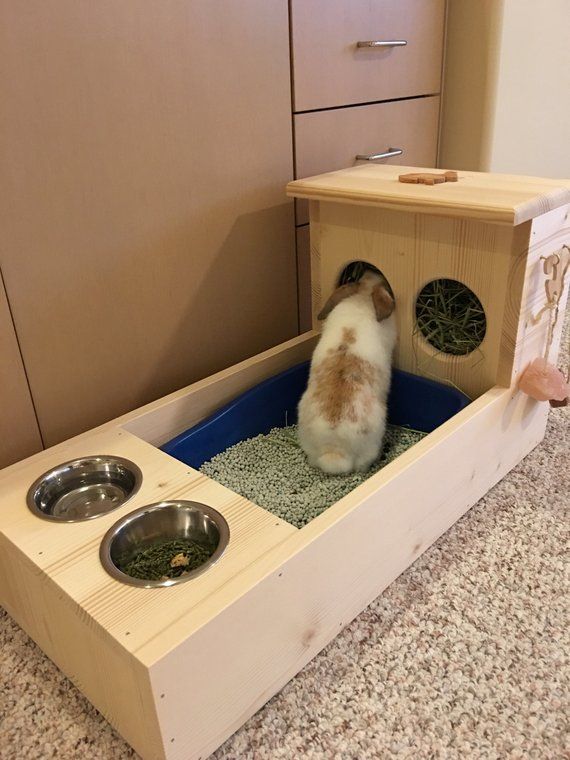
When I switched from a simple bowl to a hanging hay feeder, I noticed less wasted hay and a tidier cage. My rabbit seemed more engaged and happy, enjoying the natural foraging encouraged by the feeder.
Expert Advice
Rabbit care specialists emphasize the importance of proper feeding tools. According to Dr. Emily Harris:
“A good feeder helps maintain hygiene and reduces stress for rabbits by providing consistent access to fresh food.”
Comparison Table: Popular Rabbit Feeders
| Feeder Type | Best For | Material | Ease of Cleaning | Price Range |
|---|---|---|---|---|
| Hanging Hay Feeder | Daily hay feeding | Metal/Wire mesh | Moderate | $-$$ |
| Bowl Feeder | Pellets & veggies | Ceramic/Steel | Easy | $ |
| Gravity Feeder | Portion control | Plastic/Metal | Moderate | $$ |
| Automatic Feeder | Scheduled feeding | Plastic/Metal | Moderate | $$$ |
When to Replace Your Rabbit Feeder
- If it becomes cracked, rusted, or difficult to clean.
- When design no longer suits your rabbit’s eating habits.
Key Takeaways
- A rabbit feeder keeps your bunny’s food fresh, clean, and accessible.
- Choose a feeder based on your rabbit’s size, eating habits, and your lifestyle.
- Regular cleaning and maintenance ensure a healthy feeding environment.
Conclusion
Investing in a good rabbit feeder makes feeding time easier and healthier for both you and your pet. Whether you prefer simple bowls or automatic feeders, the right choice keeps your rabbit happy, nourished, and your cage tidy.