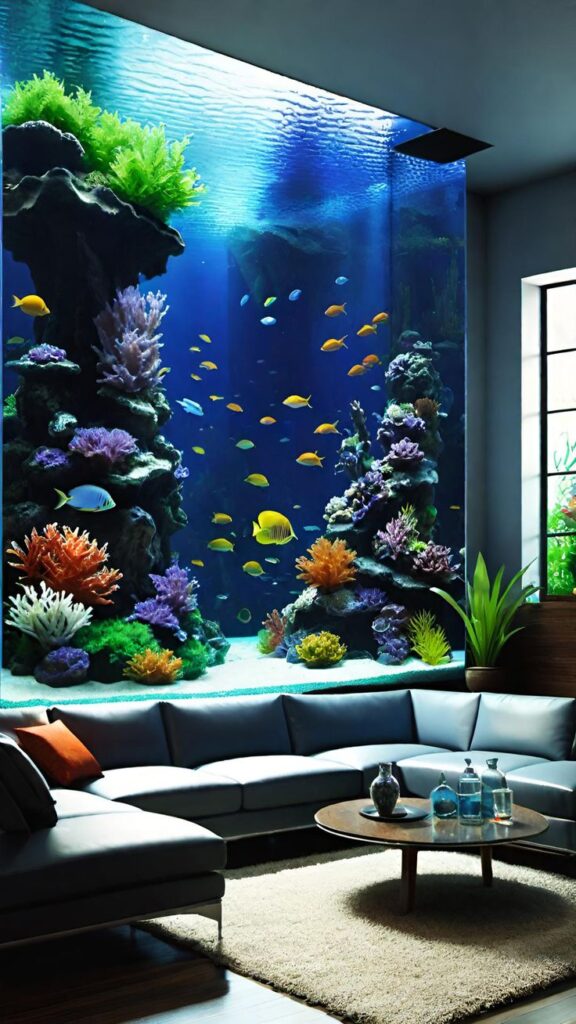
There’s something enchanting about a tropical fish tank. The vibrant colors, dynamic movement, and serene water environment have the power to transform any room into a living piece of art. But a tropical aquarium isn’t just for show—it’s a thriving, balanced ecosystem that requires thoughtful care and planning.
Whether you’re a beginner looking to start your first tank or an experienced aquarist wanting to refine your setup, this guide offers everything you need to create a stunning and healthy tropical aquarium at home.
Table of Contents
Why Choose a Tropical Fish Tank?
Unlike coldwater aquariums, tropical fish tanks are home to species from warm environments like the Amazon River, Southeast Asia, and African lakes. These species are known for:
- Bright, vivid colors
- Diverse behaviors
- Compatibility with live plants
- Varied tank designs and layouts
Tropical tanks allow for more creativity and biodiversity compared to standard aquariums. With the right setup, they can become a low-stress, long-term hobby that brings beauty and tranquility into your living space.
Types of Tropical Fish Tanks
Before diving in, it’s essential to decide what type of tropical aquarium suits your space and experience level. Here are the most popular setups:
1. Community Tank
A mix of peaceful tropical fish that coexist harmoniously. Ideal for beginners.
- Example fish: Neon Tetras, Guppies, Corydoras, Platies
- Size: 20+ gallons
2. Planted Tropical Tank
Combines aquatic plants with tropical species, creating a natural ecosystem.
- Best for: Intermediate to advanced hobbyists
- Benefits: Better water quality, natural shelter, stunning visuals
3. Biotope Tank
Mimics a specific natural habitat like the Amazon or African riverbeds.
- Suitable for experienced aquarists
- High attention to water parameters and decor detail
4. Nano Tropical Tank
Small tanks (under 10 gallons) with small tropical species.
- Compact and space-saving
- Requires careful monitoring due to less stable conditions
Best Tropical Fish for Home Aquariums
When selecting fish, compatibility, temperament, and water needs should be your top priorities. Here’s a breakdown of popular choices for a tropical fish tank:
| Fish Name | Temperament | Tank Size Needed | Special Notes |
|---|---|---|---|
| Guppies | Peaceful | 10+ gallons | Easy to breed |
| Neon Tetras | Schooling, calm | 15+ gallons | Keep in groups |
| Betta Fish (solo) | Aggressive to males | 5+ gallons | Avoid tankmates |
| Corydoras Catfish | Peaceful | 20+ gallons | Bottom dweller |
| Mollies | Social | 20+ gallons | Need clean water |
| Dwarf Gourami | Semi-aggressive | 20+ gallons | Very colorful |
| Swordtails | Peaceful | 20+ gallons | Livebearers |
Each species has its quirks, so always research compatibility before mixing fish.
Tropical Fish Tank Setup Guide
Now, let’s explore how to set up your tropical fish tank properly—from equipment to water parameters.
1. Choose the Right Tank Size
A common mistake beginners make is starting with a tank that’s too small. A 20-gallon tank is ideal for most tropical community setups. It offers better water stability and more space for your fish to swim and establish territories.
2. Equipment Essentials
Here’s what you need to keep your tank thriving:
- Heater: Tropical fish need water temperatures between 75°F to 80°F (24°C to 27°C).
- Filter: Keeps water clean and removes toxins. Choose one rated for your tank size.
- LED Lighting: Enhances fish color and supports plant growth.
- Thermometer: To regularly check water temperature.
- Water Conditioner: Removes chlorine from tap water.
- Gravel or Substrate: Choose natural substrates that support plant growth.
- Test Kits: To monitor pH, ammonia, nitrite, and nitrate levels.
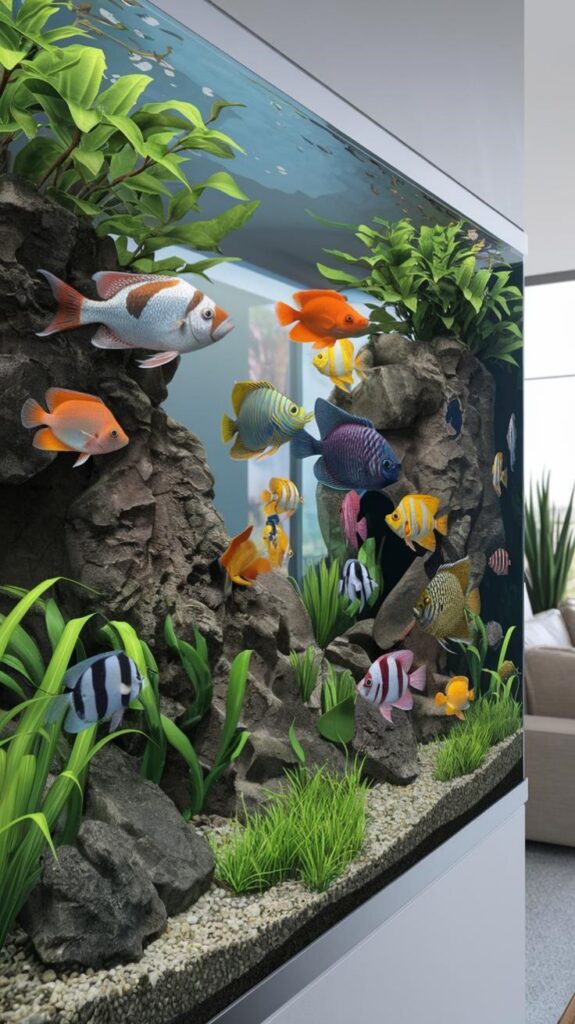
3. Create a Natural Aquascape
A beautiful tropical tank is about more than just fish—it’s about creating a miniature ecosystem.
Tips for Aquascaping:
- Use driftwood, smooth rocks, and caves for structure.
- Add live plants like Java Fern, Anubias, or Amazon Sword for oxygen and aesthetics.
- Place taller plants at the back and smaller ones up front for depth.
Water Parameters for Tropical Fish Tanks
Maintaining stable water chemistry is crucial. Here’s what to monitor:
| Parameter | Ideal Range |
|---|---|
| Temperature | 75°F – 80°F (24°C – 27°C) |
| pH Level | 6.5 – 7.5 |
| Ammonia | 0 ppm |
| Nitrite | 0 ppm |
| Nitrate | Under 40 ppm |
| Hardness (GH) | 4–12 dGH |
Change 20-25% of the water weekly and vacuum the gravel to remove waste buildup. Test the water regularly using a liquid test kit rather than strips for better accuracy.
Feeding & Care Tips
Tropical fish need a varied diet to thrive. Here’s how to keep them healthy:
What to Feed:
- High-quality tropical flakes or pellets (daily)
- Frozen or live food like bloodworms and brine shrimp (2–3 times/week)
- Blanched vegetables like peas or zucchini (occasional treat)
Feeding Tips:
- Feed once or twice a day, only what they can eat in 2–3 minutes
- Remove uneaten food to prevent ammonia spikes
- Avoid overfeeding—this is a leading cause of tank problems
Common Mistakes to Avoid
Avoid these rookie errors to keep your tropical aquarium stable:
- Skipping the cycling process: Always cycle your tank before adding fish. Use ammonia sources or starter bacteria to build a healthy nitrogen cycle.
- Overstocking the tank: Follow the “1 inch of fish per gallon” rule as a loose guideline.
- Mixing incompatible species: Research behavioral patterns before introducing new fish.
- Neglecting water changes: Regular maintenance is essential for fish health.
Design Ideas for a Stunning Tropical Aquarium
If you want your tropical fish tank to be the highlight of your room, consider these creative themes:
1. Jungle Vibes
- Dense planting, driftwood, and a few floating plants.
- Ideal for species like Tetras, Rasboras, and Gouramis.
2. Zen Riverbed
- Use smooth stones, sand substrate, and low plants like Cryptocoryne.
- Perfect for bottom-dwellers like Corydoras and loaches.
3. Color Pop
- Focus on colorful species like Guppies, Mollies, and Dwarf Gouramis.
- Minimalistic decor to let the fish colors shine.
Real-Life Experience: My First Tropical Tank
When I set up my first tropical aquarium, I made the mistake of starting small—just 10 gallons—with a group of Neon Tetras and a Betta. Despite reading up on compatibility, I didn’t consider the Betta’s territorial nature, and it stressed out the Tetras.
Eventually, I upgraded to a 20-gallon planted tank, rehomed the Betta, and introduced Guppies and Corydoras. The balance was almost immediate. Watching the fish dart between plants and interact naturally reminded me how rewarding a well-maintained tropical fish tank can be.
Lesson learned? Research thoroughly and don’t rush your setup.
Conclusion: Start Small, Think Big
A tropical fish tank offers more than just visual appeal—it introduces life, rhythm, and natural balance to your living space. With the right preparation, equipment, and care, anyone can build a thriving aquatic habitat at home.
Whether you’re going for a lush planted setup, a vibrant community, or a biotope masterpiece, the key lies in understanding your fish, maintaining stable conditions, and enjoying the journey.