Freshwater Fish in Tank: A Friendly Guide to Setting Up Your Dream Aquarium Setting up a freshwater fish tank can feel like diving into a whole new world—literally. It’s not just about putting a few fish into a glass box filled with water. It’s about creating a balanced, miniature ecosystem right in your living room. In this guide, we'll walk you through everything you need to know about keeping freshwater fish in tank, from choosing the right fish to maintaining a healthy environment. Whether you're starting your first aquarium or looking to upgrade your setup, this article has you covered. Why Choose Freshwater Fish for Your Tank? Freshwater aquariums are ideal for beginners and hobbyists alike. Compared to saltwater tanks, freshwater systems are: More affordable to set up and maintain Easier to manage with fewer chemical requirements Wide variety of fish species with different colors, shapes, and behaviors Great learning experience for kids and adults interested in aquatic life The lower maintenance doesn't mean less fun. Many freshwater fish in tank are just as colorful and active as their saltwater counterparts. Top Freshwater Fish for Tank Beginners Let’s start with the stars of your aquarium—the fish themselves. Here are the best beginner-friendly options: 1. Betta Fish Known for their striking colors and flowing fins Prefer to live alone in a well-decorated tank Can thrive in smaller tanks (at least 5 gallons) 2. Guppies Hardy and adaptable Available in a wide range of vibrant colors Do well in community tanks 3. Neon Tetras Small, peaceful schooling fish Add a bright shimmer with their neon blue and red stripes Prefer tanks with plants and hiding spots 4. Zebra Danios Active swimmers and fun to watch Thrive in small schools Very tolerant of changing water conditions 5. Corydoras Catfish Bottom dwellers that clean up leftover food Peaceful and shy Do well in groups of three or more 6. Platies Low-maintenance and social Great for community tanks Come in a wide range of colors Choosing the Right Tank Size A common mistake is starting too small. While a smaller tank seems easier, it's actually harder to keep water conditions stable. Here’s a quick guide: Tank Size Ideal For Fish Count (Approx.) 5 gallons Bettas or small species 1-2 fish 10 gallons Guppies, Platies, Tetras 4-6 small fish 20 gallons Small communities 6-10 small fish 30+ gallons Larger or more diverse setups 10+ fish Remember: The bigger the tank, the more stable the ecosystem. Must-Have Equipment for Freshwater Tanks Here’s what you’ll need to set up a functional and comfortable home for your freshwater fish in tank: Aquarium Filter – Keeps the water clean and healthy Heater – Maintains a stable temperature (especially for tropical fish) Lighting – Supports plant growth and enhances visibility Gravel/Substrate – Provides a base and can host beneficial bacteria Water Conditioner – Removes harmful chlorine and heavy metals Test Kit – Monitors water parameters like pH, ammonia, and nitrate Thermometer – Ensures the water stays within a safe range Creating the Perfect Environment A healthy aquarium is a balanced ecosystem. Follow these tips to create a thriving habitat: 1. Cycle the Tank Before Adding Fish New tanks need time to build up beneficial bacteria. This process, called the nitrogen cycle, usually takes 3-4 weeks. It helps break down fish waste and prevents toxic ammonia build-up. 2. Add Live Plants Live plants are more than just decoration. They: Absorb nitrates Produce oxygen Provide hiding spots for shy fish Try beginner-friendly plants like Java fern, Anubias, or Amazon sword. 3. Use Decorations Thoughtfully Decorations like caves, rocks, and driftwood help fish feel secure. Make sure all decor is aquarium-safe—no sharp edges or toxic materials. Feeding Your Freshwater Fish A well-fed fish is a happy fish, but overfeeding is a common mistake. Stick to these feeding tips: Feed once or twice a day Only give what they can eat in 2–3 minutes Remove uneaten food to prevent water pollution Common fish food options: Flake food – Great for surface feeders like guppies Pellets – Good for bottom feeders Frozen food – Offers a protein-rich treat Live food – Ideal for picky eaters, but use sparingly Cleaning & Maintenance: Keeping It Fresh Maintaining your tank is easier than it sounds. With regular care, your freshwater fish in tank will thrive. Weekly Tasks: Check temperature and water quality Clean debris and remove uneaten food Trim live plants if needed Bi-Weekly: Replace 20–30% of the water Vacuum gravel to remove waste Clean algae from glass and decorations Monthly: Rinse the filter in old tank water Inspect equipment for damage or wear Common Freshwater Fish Tank Mistakes Avoid these pitfalls when starting your journey: Skipping the cycle – Leads to fish loss from toxic water Overcrowding the tank – Stresses fish and causes aggression Mixing incompatible species – Some fish nip fins or fight Ignoring water tests – Can’t fix what you don’t measure Over-cleaning everything – Removes beneficial bacteria Building a Community Tank: Compatibility Matters If you want to keep multiple species together, compatibility is key. Here’s a simple guide to peaceful tankmates: Fish Species Compatible With Guppies Platies, Corydoras, Tetras Tetras Danios, Rasboras, Corydoras Platies Mollies, Swordtails, Guppies Betta (carefully) Snails, Corydoras, Shrimp (no fin-nippers) Zebra Danios Most peaceful community fish Tip: Research each fish’s temperament, size, and dietary needs before mixing. Personal Insight: My First Freshwater Aquarium When I set up my first freshwater fish in tank, I made plenty of beginner mistakes—like adding fish before the tank was cycled. But I also learned some valuable lessons: Patience is everything. Rushing leads to more problems. Live plants make the tank feel alive and help with water balance. A little research before buying fish saves a lot of stress later. Today, my 20-gallon community tank is home to guppies, neon tetras, and a couple of Corydoras catfish. Watching them interact and thrive is honestly therapeutic. Final Thoughts: Is a Freshwater Fish Tank Right for You? If you’re looking for a hobby that’s relaxing, beautiful, and teaches you about nature—keeping freshwater fish in tank is a fantastic choice. It’s more than a decoration. It’s a living, breathing slice of aquatic life that you create and care for. With the right setup, some patience, and ongoing care, you’ll enjoy the rewards of a thriving fish tank for years to come.

Freshwater Fish in Tank: A Friendly Guide to Setting Up Your Dream Aquarium

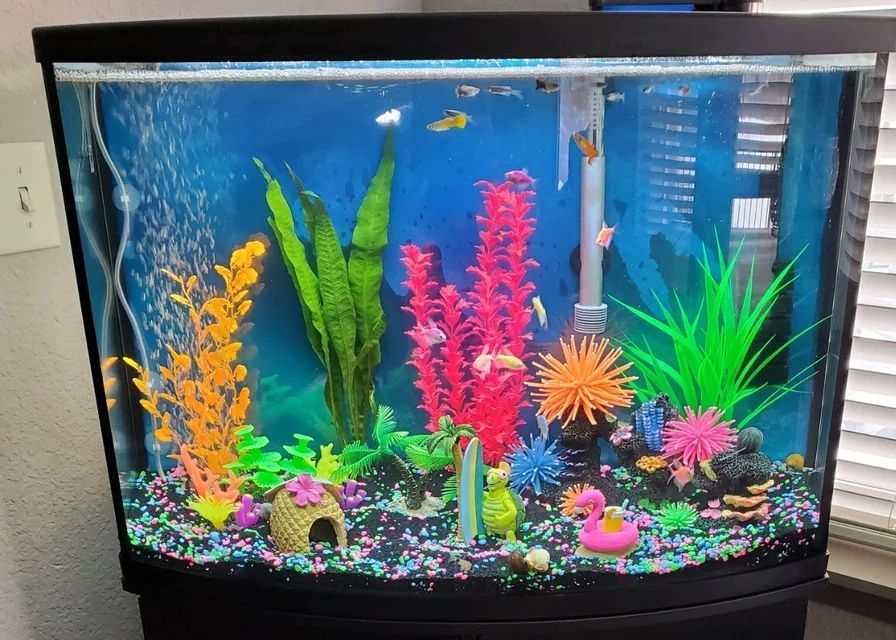
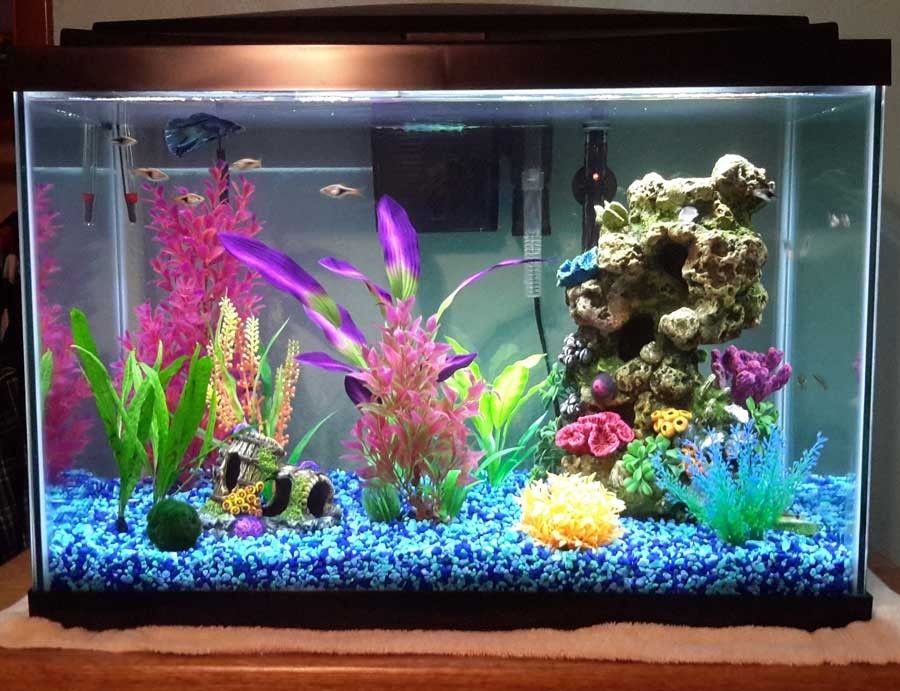
Setting up a freshwater fish tank can feel like diving into a whole new world—literally. It’s not just about putting a few fish into a glass box filled with water. It’s about creating a balanced, miniature ecosystem right in your living room.

In this guide, we’ll walk you through everything you need to know about keeping freshwater fish in tank, from choosing the right fish to maintaining a healthy environment. Whether you’re starting your first aquarium or looking to upgrade your setup, this article has you covered.


Why Choose Freshwater Fish for Your Tank?

Freshwater aquariums are ideal for beginners and hobbyists alike. Compared to saltwater tanks, freshwater systems are:

  • More affordable to set up and maintain
  • Easier to manage with fewer chemical requirements
  • Wide variety of fish species with different colors, shapes, and behaviors
  • Great learning experience for kids and adults interested in aquatic life

The lower maintenance doesn’t mean less fun. Many freshwater fish in tank are just as colorful and active as their saltwater counterparts.


Top Freshwater Fish for Tank Beginners

Let’s start with the stars of your aquarium—the fish themselves. Here are the best beginner-friendly options:

1. Betta Fish

  • Known for their striking colors and flowing fins
  • Prefer to live alone in a well-decorated tank
  • Can thrive in smaller tanks (at least 5 gallons)

2. Guppies

  • Hardy and adaptable
  • Available in a wide range of vibrant colors
  • Do well in community tanks

3. Neon Tetras

  • Small, peaceful schooling fish
  • Add a bright shimmer with their neon blue and red stripes
  • Prefer tanks with plants and hiding spots

4. Zebra Danios

  • Active swimmers and fun to watch
  • Thrive in small schools
  • Very tolerant of changing water conditions

5. Corydoras Catfish

  • Bottom dwellers that clean up leftover food
  • Peaceful and shy
  • Do well in groups of three or more

6. Platies

  • Low-maintenance and social
  • Great for community tanks
  • Come in a wide range of colors

Choosing the Right Tank Size

A common mistake is starting too small. While a smaller tank seems easier, it’s actually harder to keep water conditions stable. Here’s a quick guide:

Tank SizeIdeal ForFish Count (Approx.)
5 gallonsBettas or small species1-2 fish
10 gallonsGuppies, Platies, Tetras4-6 small fish
20 gallonsSmall communities6-10 small fish
30+ gallonsLarger or more diverse setups10+ fish

Remember: The bigger the tank, the more stable the ecosystem.


Must-Have Equipment for Freshwater Tanks

Here’s what you’ll need to set up a functional and comfortable home for your freshwater fish in tank:

  • Aquarium Filter – Keeps the water clean and healthy
  • Heater – Maintains a stable temperature (especially for tropical fish)
  • Lighting – Supports plant growth and enhances visibility
  • Gravel/Substrate – Provides a base and can host beneficial bacteria
  • Water Conditioner – Removes harmful chlorine and heavy metals
  • Test Kit – Monitors water parameters like pH, ammonia, and nitrate
  • Thermometer – Ensures the water stays within a safe range

Creating the Perfect Environment

A healthy aquarium is a balanced ecosystem. Follow these tips to create a thriving habitat:

1. Cycle the Tank Before Adding Fish

New tanks need time to build up beneficial bacteria. This process, called the nitrogen cycle, usually takes 3-4 weeks. It helps break down fish waste and prevents toxic ammonia build-up.

2. Add Live Plants

Live plants are more than just decoration. They:

  • Absorb nitrates
  • Produce oxygen
  • Provide hiding spots for shy fish

Try beginner-friendly plants like Java fern, Anubias, or Amazon sword.

3. Use Decorations Thoughtfully

Freshwater Fish in Tank: A Friendly Guide to Setting Up Your Dream Aquarium
Setting up a freshwater fish tank can feel like diving into a whole new world—literally. It’s not just about putting a few fish into a glass box filled with water. It’s about creating a balanced, miniature ecosystem right in your living room.

In this guide, we'll walk you through everything you need to know about keeping freshwater fish in tank, from choosing the right fish to maintaining a healthy environment. Whether you're starting your first aquarium or looking to upgrade your setup, this article has you covered.

Why Choose Freshwater Fish for Your Tank?
Freshwater aquariums are ideal for beginners and hobbyists alike. Compared to saltwater tanks, freshwater systems are:

More affordable to set up and maintain

Easier to manage with fewer chemical requirements

Wide variety of fish species with different colors, shapes, and behaviors

Great learning experience for kids and adults interested in aquatic life

The lower maintenance doesn't mean less fun. Many freshwater fish in tank are just as colorful and active as their saltwater counterparts.

Top Freshwater Fish for Tank Beginners
Let’s start with the stars of your aquarium—the fish themselves. Here are the best beginner-friendly options:

1. Betta Fish
Known for their striking colors and flowing fins

Prefer to live alone in a well-decorated tank

Can thrive in smaller tanks (at least 5 gallons)

2. Guppies
Hardy and adaptable

Available in a wide range of vibrant colors

Do well in community tanks

3. Neon Tetras
Small, peaceful schooling fish

Add a bright shimmer with their neon blue and red stripes

Prefer tanks with plants and hiding spots

4. Zebra Danios
Active swimmers and fun to watch

Thrive in small schools

Very tolerant of changing water conditions

5. Corydoras Catfish
Bottom dwellers that clean up leftover food

Peaceful and shy

Do well in groups of three or more

6. Platies
Low-maintenance and social

Great for community tanks

Come in a wide range of colors

Choosing the Right Tank Size
A common mistake is starting too small. While a smaller tank seems easier, it's actually harder to keep water conditions stable. Here’s a quick guide:

Tank Size	Ideal For	Fish Count (Approx.)
5 gallons	Bettas or small species	1-2 fish
10 gallons	Guppies, Platies, Tetras	4-6 small fish
20 gallons	Small communities	6-10 small fish
30+ gallons	Larger or more diverse setups	10+ fish

Remember: The bigger the tank, the more stable the ecosystem.

Must-Have Equipment for Freshwater Tanks
Here’s what you’ll need to set up a functional and comfortable home for your freshwater fish in tank:

Aquarium Filter – Keeps the water clean and healthy

Heater – Maintains a stable temperature (especially for tropical fish)

Lighting – Supports plant growth and enhances visibility

Gravel/Substrate – Provides a base and can host beneficial bacteria

Water Conditioner – Removes harmful chlorine and heavy metals

Test Kit – Monitors water parameters like pH, ammonia, and nitrate

Thermometer – Ensures the water stays within a safe range

Creating the Perfect Environment
A healthy aquarium is a balanced ecosystem. Follow these tips to create a thriving habitat:

1. Cycle the Tank Before Adding Fish
New tanks need time to build up beneficial bacteria. This process, called the nitrogen cycle, usually takes 3-4 weeks. It helps break down fish waste and prevents toxic ammonia build-up.

2. Add Live Plants
Live plants are more than just decoration. They:

Absorb nitrates

Produce oxygen

Provide hiding spots for shy fish

Try beginner-friendly plants like Java fern, Anubias, or Amazon sword.

3. Use Decorations Thoughtfully
Decorations like caves, rocks, and driftwood help fish feel secure. Make sure all decor is aquarium-safe—no sharp edges or toxic materials.

Feeding Your Freshwater Fish
A well-fed fish is a happy fish, but overfeeding is a common mistake. Stick to these feeding tips:

Feed once or twice a day

Only give what they can eat in 2–3 minutes

Remove uneaten food to prevent water pollution

Common fish food options:

Flake food – Great for surface feeders like guppies

Pellets – Good for bottom feeders

Frozen food – Offers a protein-rich treat

Live food – Ideal for picky eaters, but use sparingly

Cleaning & Maintenance: Keeping It Fresh
Maintaining your tank is easier than it sounds. With regular care, your freshwater fish in tank will thrive.

Weekly Tasks:
Check temperature and water quality

Clean debris and remove uneaten food

Trim live plants if needed

Bi-Weekly:
Replace 20–30% of the water

Vacuum gravel to remove waste

Clean algae from glass and decorations

Monthly:
Rinse the filter in old tank water

Inspect equipment for damage or wear

Common Freshwater Fish Tank Mistakes
Avoid these pitfalls when starting your journey:

Skipping the cycle – Leads to fish loss from toxic water

Overcrowding the tank – Stresses fish and causes aggression

Mixing incompatible species – Some fish nip fins or fight

Ignoring water tests – Can’t fix what you don’t measure

Over-cleaning everything – Removes beneficial bacteria

Building a Community Tank: Compatibility Matters
If you want to keep multiple species together, compatibility is key. Here’s a simple guide to peaceful tankmates:

Fish Species	Compatible With
Guppies	Platies, Corydoras, Tetras
Tetras	Danios, Rasboras, Corydoras
Platies	Mollies, Swordtails, Guppies
Betta (carefully)	Snails, Corydoras, Shrimp (no fin-nippers)
Zebra Danios	Most peaceful community fish

Tip: Research each fish’s temperament, size, and dietary needs before mixing.

Personal Insight: My First Freshwater Aquarium
When I set up my first freshwater fish in tank, I made plenty of beginner mistakes—like adding fish before the tank was cycled. But I also learned some valuable lessons:

Patience is everything. Rushing leads to more problems.

Live plants make the tank feel alive and help with water balance.

A little research before buying fish saves a lot of stress later.

Today, my 20-gallon community tank is home to guppies, neon tetras, and a couple of Corydoras catfish. Watching them interact and thrive is honestly therapeutic.

Final Thoughts: Is a Freshwater Fish Tank Right for You?
If you’re looking for a hobby that’s relaxing, beautiful, and teaches you about nature—keeping freshwater fish in tank is a fantastic choice. It’s more than a decoration. It’s a living, breathing slice of aquatic life that you create and care for.

With the right setup, some patience, and ongoing care, you’ll enjoy the rewards of a thriving fish tank for years to come.

Decorations like caves, rocks, and driftwood help fish feel secure. Make sure all decor is aquarium-safe—no sharp edges or toxic materials.


Feeding Your Freshwater Fish

A well-fed fish is a happy fish, but overfeeding is a common mistake. Stick to these feeding tips:

  • Feed once or twice a day
  • Only give what they can eat in 2–3 minutes
  • Remove uneaten food to prevent water pollution

Common fish food options:

  • Flake food – Great for surface feeders like guppies
  • Pellets – Good for bottom feeders
  • Frozen food – Offers a protein-rich treat
  • Live food – Ideal for picky eaters, but use sparingly

Cleaning & Maintenance: Keeping It Fresh

Maintaining your tank is easier than it sounds. With regular care, your freshwater fish in tank will thrive.

Weekly Tasks:

  • Check temperature and water quality
  • Clean debris and remove uneaten food
  • Trim live plants if needed

Bi-Weekly:

  • Replace 20–30% of the water
  • Vacuum gravel to remove waste
  • Clean algae from glass and decorations

Monthly:

  • Rinse the filter in old tank water
  • Inspect equipment for damage or wear

Common Freshwater Fish Tank Mistakes

Avoid these pitfalls when starting your journey:

  • Skipping the cycle – Leads to fish loss from toxic water
  • Overcrowding the tank – Stresses fish and causes aggression
  • Mixing incompatible species – Some fish nip fins or fight
  • Ignoring water tests – Can’t fix what you don’t measure
  • Over-cleaning everything – Removes beneficial bacteria

Building a Community Tank: Compatibility Matters

If you want to keep multiple species together, compatibility is key. Here’s a simple guide to peaceful tankmates:

Fish SpeciesCompatible With
GuppiesPlaties, Corydoras, Tetras
TetrasDanios, Rasboras, Corydoras
PlatiesMollies, Swordtails, Guppies
Betta (carefully)Snails, Corydoras, Shrimp (no fin-nippers)
Zebra DaniosMost peaceful community fish

Tip: Research each fish’s temperament, size, and dietary needs before mixing.


Personal Insight: My First Freshwater Aquarium

When I set up my first freshwater fish in tank, I made plenty of beginner mistakes—like adding fish before the tank was cycled. But I also learned some valuable lessons:

  • Patience is everything. Rushing leads to more problems.
  • Live plants make the tank feel alive and help with water balance.
  • A little research before buying fish saves a lot of stress later.

Today, my 20-gallon community tank is home to guppies, neon tetras, and a couple of Corydoras catfish. Watching them interact and thrive is honestly therapeutic.


Final Thoughts: Is a Freshwater Fish Tank Right for You?

If you’re looking for a hobby that’s relaxing, beautiful, and teaches you about nature—keeping freshwater fish in tank is a fantastic choice. It’s more than a decoration. It’s a living, breathing slice of aquatic life that you create and care for.

With the right setup, some patience, and ongoing care, you’ll enjoy the rewards of a thriving fish tank for years to come.

Comments

No comments yet. Why don’t you start the discussion?

Leave a Reply

Your email address will not be published. Required fields are marked *