Fish Tank Pirate Ship: A Nautical Treasure for Your Aquarium Ever thought about turning your aquarium into a scene from a maritime legend? A fish tank pirate ship might be exactly what you need. These decorative pieces do more than just add visual flair — they create a sense of mystery and adventure, making your underwater world come alive. Whether you're setting up a new tank or looking to enhance an existing one, pirate ship decorations offer a blend of creativity, functionality, and timeless appeal. Let’s dive into why they’re such a popular choice, how to choose the best one, and how to keep your aquatic environment safe and beautiful. Why a Pirate Ship? The Appeal Behind the Theme A fish tank pirate ship taps into a universal sense of adventure. Here's why this décor stands out: Storytelling: Pirate ships ignite imagination. They turn a simple tank into a treasure-filled seascape. Visual Impact: Intricately designed pirate ships, with tattered sails and weathered wood textures, add an eye-catching centerpiece. Shelter for Fish: These structures often include caves, crevices, and tunnels that provide hiding spots for fish, reducing stress. In short, a pirate ship in your aquarium adds both aesthetic value and practical benefits for aquatic life. Types of Fish Tank Pirate Ships Not all pirate ships are created equal. Here are the most common varieties available: 1. Full-Sized Centerpiece Ships Typically 8 to 20 inches long. Designed as the main focal point. Ideal for medium to large aquariums. 2. Sunken or Broken Pirate Ships Often come in two or three broken parts. Give the illusion of a wrecked ship scattered on the ocean floor. Better for creating a more dynamic, immersive look. 3. Mini Pirate Ships Smaller models, suitable for nano tanks or as secondary décor. Often used in betta or shrimp tanks. 4. Bubble-Producing Ships Equipped with an air line connection. Bubbles rise through the hull or cannon ports, enhancing oxygenation. Adds movement and entertainment to your setup. Materials: Safety First When selecting a fish tank pirate ship, make sure it’s made from aquarium-safe materials. Here are the most common: Resin or Polyresin: Durable and lightweight. These are molded to replicate wood, metal, and fabric details. Ceramic: Safe for freshwater and saltwater but can be fragile. Plastic: Only use high-quality, non-toxic plastic that’s certified for aquarium use. Avoid any decoration that has sharp edges or paint that peels. Flaking paint can harm fish and compromise water quality. How to Choose the Right Pirate Ship for Your Tank Here are a few considerations to help you select the best piece: 1. Tank Size Compatibility Ensure your pirate ship fits comfortably without overcrowding your tank. Leave enough swimming space for fish to move freely. 2. Fish Behavior Some fish are shy and appreciate the hiding spots. Others are territorial and may claim sections of the ship. 3. Maintenance Requirements Choose a design that’s easy to clean and won’t trap debris. Avoid overly intricate designs if you prefer low-maintenance tanks. Creative Placement Ideas To truly elevate your pirate-themed setup, it’s not just about placing the ship in the center. Think like a set designer. Sunken Scene Tilt the pirate ship at an angle to mimic a real wreck. Add gravel mounds around the base as if it's partially buried. Treasure Hunt Theme Place small chests, gold coins, or skull decorations nearby. Include artificial plants like Java Fern or Anubias for a lost-jungle effect. Battle Scene Combine with cannon decorations or opposing shipwrecks. Use LED lighting with a blue tint to give it an eerie, underwater glow. Maintenance Tips for Your Pirate Ship Decoration Even the most stunning decoration can become a nuisance if not properly cared for. 1. Regular Cleaning Use a soft brush to remove algae buildup every few weeks. Avoid soap or detergents. Soak in tank-safe solutions or use warm water. 2. Monitor Paint and Surface Watch for signs of wear, especially if paint starts chipping or flaking. If damage occurs, remove the decoration to prevent contamination. 3. Positioning During Cleaning Move the pirate ship slightly during each tank cleaning to avoid dead spots in water flow. Best Fish for Pirate Ship Setups Some fish are more likely to explore and enjoy the hiding spots in a pirate ship. Corydoras: Love exploring nooks and crannies. Betta Fish: Enjoy resting spots inside crevices. Dwarf Gouramis: Often curious and interactive with décor. Shrimp & Snails: Ideal for smaller holes and corners. Aggressive or large fish like cichlids might topple over lightweight decorations, so ensure your pirate ship is sturdy or weighted. Budget Considerations The price of a fish tank pirate ship can vary widely: Size/Type Price Range (USD) Mini Pirate Ship $5 – $15 Medium Resin Ship $20 – $40 Large Centerpiece $50 – $100+ Bubble Features Add $10 – $20 More expensive doesn’t always mean better. Look for realistic detail, material quality, and fish-safe certification. Combining with Other Themes You don’t have to stick with just one idea. Pirate ship decorations can be combined with other underwater themes like: Atlantis or Sunken Cities: Merge ancient ruins and Greek statues. Fantasy Underwater Worlds: Add sea monsters, divers, or glowing elements. Jungle River Scene: Use driftwood and moss for a more natural twist. This flexibility makes the pirate ship theme one of the most versatile options for aquascaping. Personal Experience: My First Pirate Tank When I set up my first fish tank pirate ship, I was skeptical. Would it look tacky? Would my fish even care? To my surprise, the tank became a conversation piece. Friends were drawn to the detailed masts and cannon holes. My fish—particularly my Corydoras—would dart in and out of the crevices, playing hide and seek. Over time, I added little details: a broken treasure chest, a skull, and glowing plants. The whole scene transformed into a dynamic underwater diorama that I enjoyed just as much as my fish. That setup lasted for over two years, and I still miss its cinematic flair. Conclusion: Set Sail into Creative Aquascaping A fish tank pirate ship isn’t just a quirky decoration — it’s a gateway to creative expression and a better habitat for your fish. With the right design, size, and placement, it brings depth, charm, and a sense of wonder to your tank. So, whether you're a beginner setting up your first aquarium or a seasoned aquarist looking to refresh your setup, consider sailing into new waters with a pirate-themed tank. It's fun, functional, and unforgettable.
Fish Tank Pirate Ship: A Nautical Treasure for Your Aquarium

Ever thought about turning your aquarium into a scene from a maritime legend? A fish tank pirate ship might be exactly what you need. These decorative pieces do more than just add visual flair — they create a sense of mystery and adventure, making your underwater world come alive.

Whether you’re setting up a new tank or looking to enhance an existing one, pirate ship decorations offer a blend of creativity, functionality, and timeless appeal. Let’s dive into why they’re such a popular choice, how to choose the best one, and how to keep your aquatic environment safe and beautiful.


Why a Pirate Ship? The Appeal Behind the Theme

A fish tank pirate ship taps into a universal sense of adventure. Here’s why this décor stands out:

  • Storytelling: Pirate ships ignite imagination. They turn a simple tank into a treasure-filled seascape.
  • Visual Impact: Intricately designed pirate ships, with tattered sails and weathered wood textures, add an eye-catching centerpiece.
  • Shelter for Fish: These structures often include caves, crevices, and tunnels that provide hiding spots for fish, reducing stress.

In short, a pirate ship in your aquarium adds both aesthetic value and practical benefits for aquatic life.


Types of Fish Tank Pirate Ships

Not all pirate ships are created equal. Here are the most common varieties available:

1. Full-Sized Centerpiece Ships

  • Typically 8 to 20 inches long.
  • Designed as the main focal point.
  • Ideal for medium to large aquariums.

2. Sunken or Broken Pirate Ships

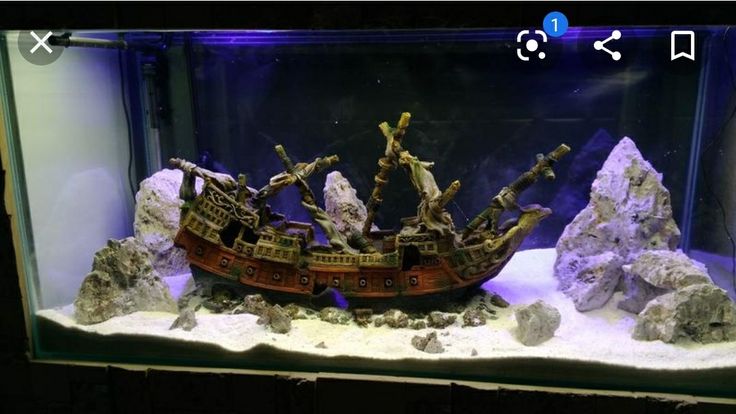
  • Often come in two or three broken parts.
  • Give the illusion of a wrecked ship scattered on the ocean floor.
  • Better for creating a more dynamic, immersive look.

3. Mini Pirate Ships

  • Smaller models, suitable for nano tanks or as secondary décor.
  • Often used in betta or shrimp tanks.

4. Bubble-Producing Ships

  • Equipped with an air line connection.
  • Bubbles rise through the hull or cannon ports, enhancing oxygenation.
  • Adds movement and entertainment to your setup.

Materials: Safety First

When selecting a fish tank pirate ship, make sure it’s made from aquarium-safe materials. Here are the most common:

  • Resin or Polyresin: Durable and lightweight. These are molded to replicate wood, metal, and fabric details.
  • Ceramic: Safe for freshwater and saltwater but can be fragile.
  • Plastic: Only use high-quality, non-toxic plastic that’s certified for aquarium use.
Fish Tank Pirate Ship: A Nautical Treasure for Your Aquarium
Ever thought about turning your aquarium into a scene from a maritime legend? A fish tank pirate ship might be exactly what you need. These decorative pieces do more than just add visual flair — they create a sense of mystery and adventure, making your underwater world come alive.

Whether you're setting up a new tank or looking to enhance an existing one, pirate ship decorations offer a blend of creativity, functionality, and timeless appeal. Let’s dive into why they’re such a popular choice, how to choose the best one, and how to keep your aquatic environment safe and beautiful.

Why a Pirate Ship? The Appeal Behind the Theme
A fish tank pirate ship taps into a universal sense of adventure. Here's why this décor stands out:

Storytelling: Pirate ships ignite imagination. They turn a simple tank into a treasure-filled seascape.

Visual Impact: Intricately designed pirate ships, with tattered sails and weathered wood textures, add an eye-catching centerpiece.

Shelter for Fish: These structures often include caves, crevices, and tunnels that provide hiding spots for fish, reducing stress.

In short, a pirate ship in your aquarium adds both aesthetic value and practical benefits for aquatic life.

Types of Fish Tank Pirate Ships
Not all pirate ships are created equal. Here are the most common varieties available:

1. Full-Sized Centerpiece Ships
Typically 8 to 20 inches long.

Designed as the main focal point.

Ideal for medium to large aquariums.

2. Sunken or Broken Pirate Ships
Often come in two or three broken parts.

Give the illusion of a wrecked ship scattered on the ocean floor.

Better for creating a more dynamic, immersive look.

3. Mini Pirate Ships
Smaller models, suitable for nano tanks or as secondary décor.

Often used in betta or shrimp tanks.

4. Bubble-Producing Ships
Equipped with an air line connection.

Bubbles rise through the hull or cannon ports, enhancing oxygenation.

Adds movement and entertainment to your setup.

Materials: Safety First
When selecting a fish tank pirate ship, make sure it’s made from aquarium-safe materials. Here are the most common:

Resin or Polyresin: Durable and lightweight. These are molded to replicate wood, metal, and fabric details.

Ceramic: Safe for freshwater and saltwater but can be fragile.

Plastic: Only use high-quality, non-toxic plastic that’s certified for aquarium use.

Avoid any decoration that has sharp edges or paint that peels. Flaking paint can harm fish and compromise water quality.

How to Choose the Right Pirate Ship for Your Tank
Here are a few considerations to help you select the best piece:

1. Tank Size Compatibility
Ensure your pirate ship fits comfortably without overcrowding your tank.

Leave enough swimming space for fish to move freely.

2. Fish Behavior
Some fish are shy and appreciate the hiding spots.

Others are territorial and may claim sections of the ship.

3. Maintenance Requirements
Choose a design that’s easy to clean and won’t trap debris.

Avoid overly intricate designs if you prefer low-maintenance tanks.

Creative Placement Ideas
To truly elevate your pirate-themed setup, it’s not just about placing the ship in the center. Think like a set designer.

Sunken Scene
Tilt the pirate ship at an angle to mimic a real wreck.

Add gravel mounds around the base as if it's partially buried.

Treasure Hunt Theme
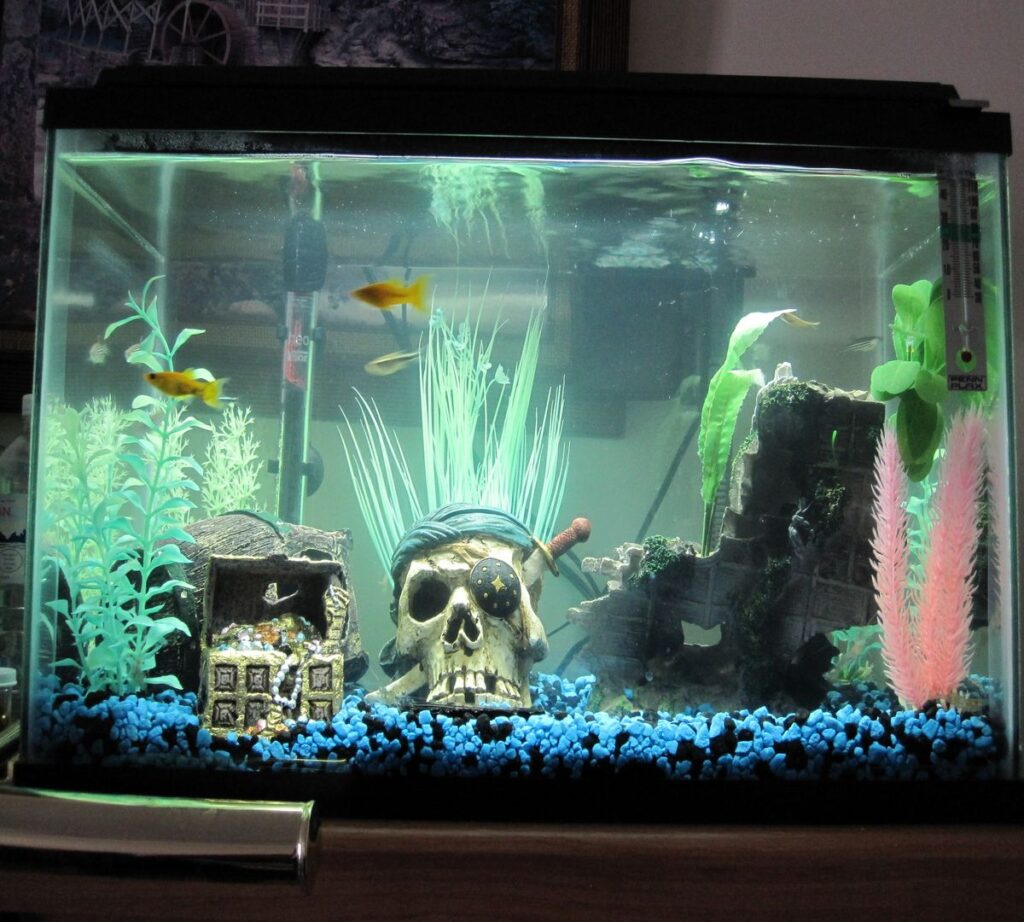
Place small chests, gold coins, or skull decorations nearby.

Include artificial plants like Java Fern or Anubias for a lost-jungle effect.

Battle Scene
Combine with cannon decorations or opposing shipwrecks.

Use LED lighting with a blue tint to give it an eerie, underwater glow.

Maintenance Tips for Your Pirate Ship Decoration
Even the most stunning decoration can become a nuisance if not properly cared for.

1. Regular Cleaning
Use a soft brush to remove algae buildup every few weeks.

Avoid soap or detergents. Soak in tank-safe solutions or use warm water.

2. Monitor Paint and Surface
Watch for signs of wear, especially if paint starts chipping or flaking.

If damage occurs, remove the decoration to prevent contamination.

3. Positioning During Cleaning
Move the pirate ship slightly during each tank cleaning to avoid dead spots in water flow.

Best Fish for Pirate Ship Setups
Some fish are more likely to explore and enjoy the hiding spots in a pirate ship.

Corydoras: Love exploring nooks and crannies.

Betta Fish: Enjoy resting spots inside crevices.

Dwarf Gouramis: Often curious and interactive with décor.

Shrimp & Snails: Ideal for smaller holes and corners.

Aggressive or large fish like cichlids might topple over lightweight decorations, so ensure your pirate ship is sturdy or weighted.

Budget Considerations
The price of a fish tank pirate ship can vary widely:

Size/Type	Price Range (USD)
Mini Pirate Ship	$5 – $15
Medium Resin Ship	$20 – $40
Large Centerpiece	$50 – $100+
Bubble Features	Add $10 – $20

More expensive doesn’t always mean better. Look for realistic detail, material quality, and fish-safe certification.

Combining with Other Themes
You don’t have to stick with just one idea. Pirate ship decorations can be combined with other underwater themes like:

Atlantis or Sunken Cities: Merge ancient ruins and Greek statues.

Fantasy Underwater Worlds: Add sea monsters, divers, or glowing elements.

Jungle River Scene: Use driftwood and moss for a more natural twist.

This flexibility makes the pirate ship theme one of the most versatile options for aquascaping.

Personal Experience: My First Pirate Tank
When I set up my first fish tank pirate ship, I was skeptical. Would it look tacky? Would my fish even care?

To my surprise, the tank became a conversation piece. Friends were drawn to the detailed masts and cannon holes. My fish—particularly my Corydoras—would dart in and out of the crevices, playing hide and seek.

Over time, I added little details: a broken treasure chest, a skull, and glowing plants. The whole scene transformed into a dynamic underwater diorama that I enjoyed just as much as my fish.

That setup lasted for over two years, and I still miss its cinematic flair.

Conclusion: Set Sail into Creative Aquascaping
A fish tank pirate ship isn’t just a quirky decoration — it’s a gateway to creative expression and a better habitat for your fish. With the right design, size, and placement, it brings depth, charm, and a sense of wonder to your tank.

So, whether you're a beginner setting up your first aquarium or a seasoned aquarist looking to refresh your setup, consider sailing into new waters with a pirate-themed tank. It's fun, functional, and unforgettable.

Avoid any decoration that has sharp edges or paint that peels. Flaking paint can harm fish and compromise water quality.


How to Choose the Right Pirate Ship for Your Tank

Here are a few considerations to help you select the best piece:

1. Tank Size Compatibility

  • Ensure your pirate ship fits comfortably without overcrowding your tank.
  • Leave enough swimming space for fish to move freely.

2. Fish Behavior

  • Some fish are shy and appreciate the hiding spots.
  • Others are territorial and may claim sections of the ship.

3. Maintenance Requirements

  • Choose a design that’s easy to clean and won’t trap debris.
  • Avoid overly intricate designs if you prefer low-maintenance tanks.

Creative Placement Ideas

To truly elevate your pirate-themed setup, it’s not just about placing the ship in the center. Think like a set designer.

Sunken Scene

  • Tilt the pirate ship at an angle to mimic a real wreck.
  • Add gravel mounds around the base as if it’s partially buried.

Treasure Hunt Theme

  • Place small chests, gold coins, or skull decorations nearby.
  • Include artificial plants like Java Fern or Anubias for a lost-jungle effect.

Battle Scene

  • Combine with cannon decorations or opposing shipwrecks.
  • Use LED lighting with a blue tint to give it an eerie, underwater glow.

Maintenance Tips for Your Pirate Ship Decoration

Even the most stunning decoration can become a nuisance if not properly cared for.

1. Regular Cleaning

  • Use a soft brush to remove algae buildup every few weeks.
  • Avoid soap or detergents. Soak in tank-safe solutions or use warm water.

2. Monitor Paint and Surface

  • Watch for signs of wear, especially if paint starts chipping or flaking.
  • If damage occurs, remove the decoration to prevent contamination.

3. Positioning During Cleaning

  • Move the pirate ship slightly during each tank cleaning to avoid dead spots in water flow.

Best Fish for Pirate Ship Setups

Some fish are more likely to explore and enjoy the hiding spots in a pirate ship.

  • Corydoras: Love exploring nooks and crannies.
  • Betta Fish: Enjoy resting spots inside crevices.
  • Dwarf Gouramis: Often curious and interactive with décor.
  • Shrimp & Snails: Ideal for smaller holes and corners.

Aggressive or large fish like cichlids might topple over lightweight decorations, so ensure your pirate ship is sturdy or weighted.


Budget Considerations

The price of a fish tank pirate ship can vary widely:

Size/TypePrice Range (USD)
Mini Pirate Ship$5 – $15
Medium Resin Ship$20 – $40
Large Centerpiece$50 – $100+
Bubble FeaturesAdd $10 – $20

More expensive doesn’t always mean better. Look for realistic detail, material quality, and fish-safe certification.


Combining with Other Themes

You don’t have to stick with just one idea. Pirate ship decorations can be combined with other underwater themes like:

  • Atlantis or Sunken Cities: Merge ancient ruins and Greek statues.
  • Fantasy Underwater Worlds: Add sea monsters, divers, or glowing elements.
  • Jungle River Scene: Use driftwood and moss for a more natural twist.

This flexibility makes the pirate ship theme one of the most versatile options for aquascaping.


Personal Experience: My First Pirate Tank

When I set up my first fish tank pirate ship, I was skeptical. Would it look tacky? Would my fish even care?

To my surprise, the tank became a conversation piece. Friends were drawn to the detailed masts and cannon holes. My fish—particularly my Corydoras—would dart in and out of the crevices, playing hide and seek.

Over time, I added little details: a broken treasure chest, a skull, and glowing plants. The whole scene transformed into a dynamic underwater diorama that I enjoyed just as much as my fish.

That setup lasted for over two years, and I still miss its cinematic flair.


Conclusion: Set Sail into Creative Aquascaping

A fish tank pirate ship isn’t just a quirky decoration — it’s a gateway to creative expression and a better habitat for your fish. With the right design, size, and placement, it brings depth, charm, and a sense of wonder to your tank.

So, whether you’re a beginner setting up your first aquarium or a seasoned aquarist looking to refresh your setup, consider sailing into new waters with a pirate-themed tank. It’s fun, functional, and unforgettable.

Comments

No comments yet. Why don’t you start the discussion?

Leave a Reply

Your email address will not be published. Required fields are marked *