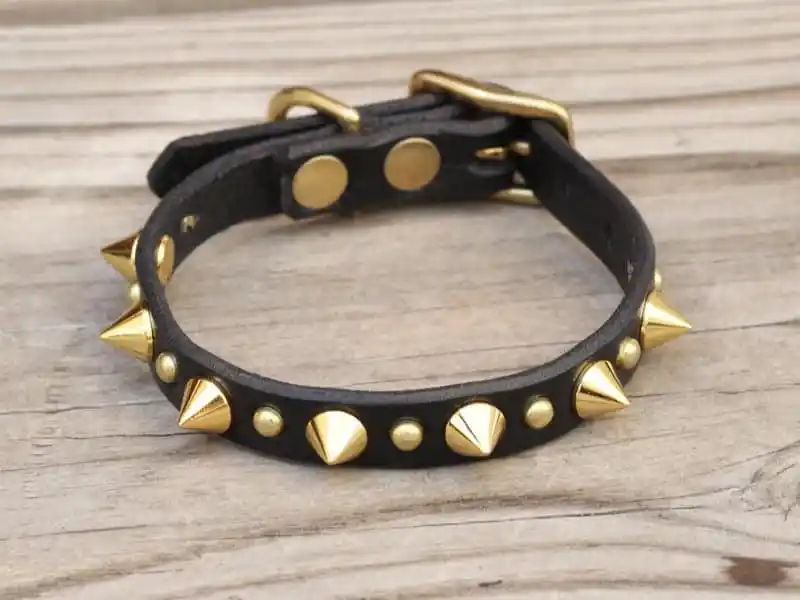
Walk into any pet store or scroll through dog gear online, and you’re bound to come across a spike dog collar. They’re bold, rugged, and undeniably eye-catching. But they’re also surrounded by questions. Are they just for looks? Do they hurt the dog? Are they even safe or necessary?
Whether you’re considering one for your pup’s protection or just love the edgy style, this guide breaks down everything you need to know—based on facts, experiences, and expert recommendations.
Table of Contents
The Origin of the Spike Dog Collar
Spike collars aren’t a modern fashion statement—they’ve been around for centuries. Originally designed for working and hunting dogs, especially in ancient Greece and Rome, the spike dog collar was made to protect a dog’s neck from predators, especially wolves.
Today, while wolves aren’t typically a concern, the collar remains popular for both functional and stylistic reasons.
Types of Spike Dog Collars
Not all spike collars are created equal. Here’s a breakdown of the most common variations:
1. Protective Spike Collars
- Purpose: Prevents attacks from other animals.
- Use Case: Often seen on farm dogs or guard dogs.
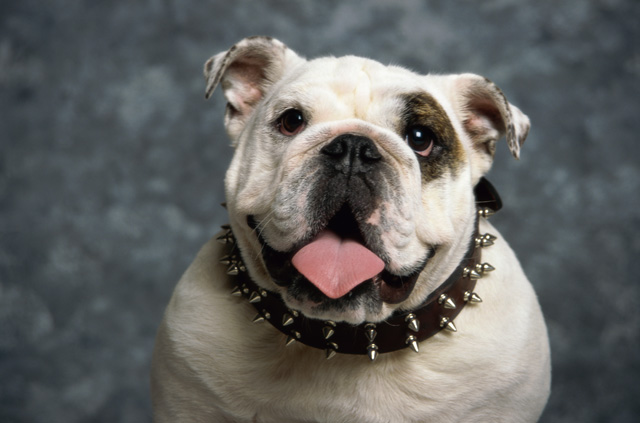
- Material: Usually made from thick leather with long, rigid spikes.
2. Fashion Spike Collars
- Purpose: Purely for aesthetics.
- Use Case: Pet owners who love the punk, gothic, or rugged dog fashion style.
- Material: Faux leather or nylon with short, rounded spikes.
3. Training Spike Collars (Prong Collars)
- Purpose: Behavior correction (though controversial).
- Use Case: Often used by professional trainers.
- Material: Metal with interlocking prongs.
⚠️ Important Note: A training prong collar is not the same as a decorative spike collar and requires expert handling.
Are Spike Dog Collars Safe?
The answer depends on how they are used and the type of collar.
✅ When Are They Safe?
- When used as a fashion item with soft, rounded spikes.
- When fitted correctly—not too tight, not too loose.
- When supervised during wear, especially around other dogs or kids.
❌ When Are They Unsafe?
- If the spikes are too sharp or long.
- If used as a punishment tool without training.
- On small or fragile breeds with sensitive necks.
- Left on unsupervised, especially during play.
Veterinarians generally advise against using hard spike collars for regular use and recommend softer materials or padded collars instead.
When to Consider a Spike Dog Collar
Still unsure if it’s right for your pet? Consider the following scenarios:
| Situation | Is Spike Collar Suitable? |
|---|---|
| Dog has been attacked before | ✔️ Protective spike collar might help |
| You want a unique fashion style | ✔️ Fashion collar with soft spikes |
| Your dog pulls on walks | ❌ Better to use a harness |
| You need a training tool | ⚠️ Use prong collars only with pro advice |
Choosing the Right Spike Dog Collar
Here’s what to look for:
1. Material Matters
- Opt for leather or strong nylon for durability.
- Ensure the metal spikes are rounded or capped.
2. Size and Fit
- Measure your dog’s neck accurately.
- You should be able to slide two fingers under the collar.
3. Purpose-Based Design
- Style only? Go for a lightweight decorative collar.
- Need protection? Choose sturdy leather with functional spikes.
Real Experiences from Dog Owners
Many pet parents swear by spike collars—either for fashion or functionality.
Rachel, a bulldog owner, says:
“We use a short-spike leather collar because my bulldog has been attacked twice by off-leash dogs. It’s not aggressive-looking, but gives me peace of mind.”
Jared, a pitbull rescue volunteer, adds:
“Honestly, we use soft, studded collars more for the style. They’re safe and make the dogs stand out in adoption events.”
However, others have faced issues like scratches on their legs or furniture, and some dogs become uncomfortable or irritable.
Tips to Use a Spike Dog Collar Safely
If you’re buying one, here’s how to ensure it doesn’t cause harm:
- Limit usage time—don’t leave it on all day.
- Avoid using it during playtime or dog parks.
- Regularly check for loose spikes or wear and tear.
- Clean the collar weekly to prevent buildup or rust.
Alternatives to Spike Dog Collars
If you’re looking for something with similar appeal but safer, here are alternatives:
- Studded collars – Same vibe, flatter metal.
- Patterned nylon collars – Stylish but soft.
- LED or reflective collars – Add safety during nighttime walks.
These can offer just as much style without the risk of pokes or scratches.
Final Thoughts
A spike dog collar can be both a bold fashion choice and a functional tool—if used responsibly. They’re not for every dog or every occasion, but when chosen carefully, they can serve a unique purpose in your dog’s gear lineup.
Just remember:
- Know why you want it.
- Understand your dog’s comfort.
- Use it responsibly and safely.
If in doubt, always consult your vet or a dog trainer to make the right call for your pet’s health and happiness. You can visit our website here.